Building Forward: How the Azkals and Filipinas Shape 2026
If there’s one thing 2025 reminded us, it’s this: Philippine football is no longer knocking on the door. It’s already inside the room, still learning where it belongs, but undeniably present.
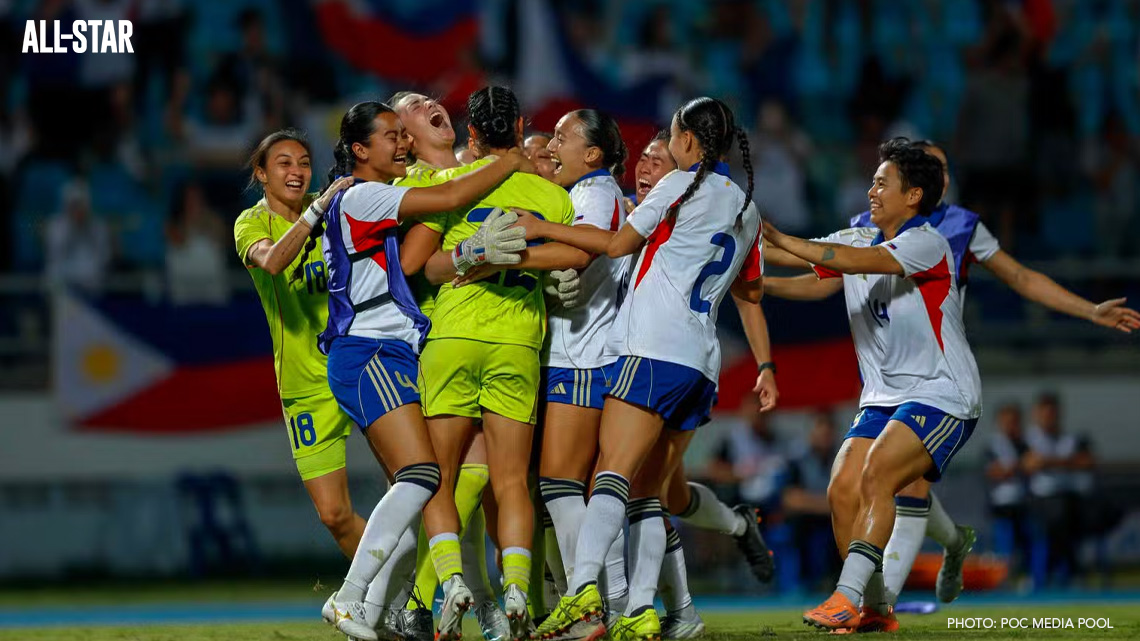
The Filipinas, the national women’s football team, continue to be the standard-bearers. What began with a historic FIFA Women’s World Cup appearance has turned into something more sustainable. This year, they played like a team that knows it belongs. Not wide-eyed, not hopeful, just confident. Culminating in their first-ever SEA Games championship, every victory this year felt earned, not surprising. Depth has improved, leadership is clearer, and the pipeline of young and overseas-based players keeps the squad competitive.
The story has shifted from “Can they do it again?” to “How far can they go?”
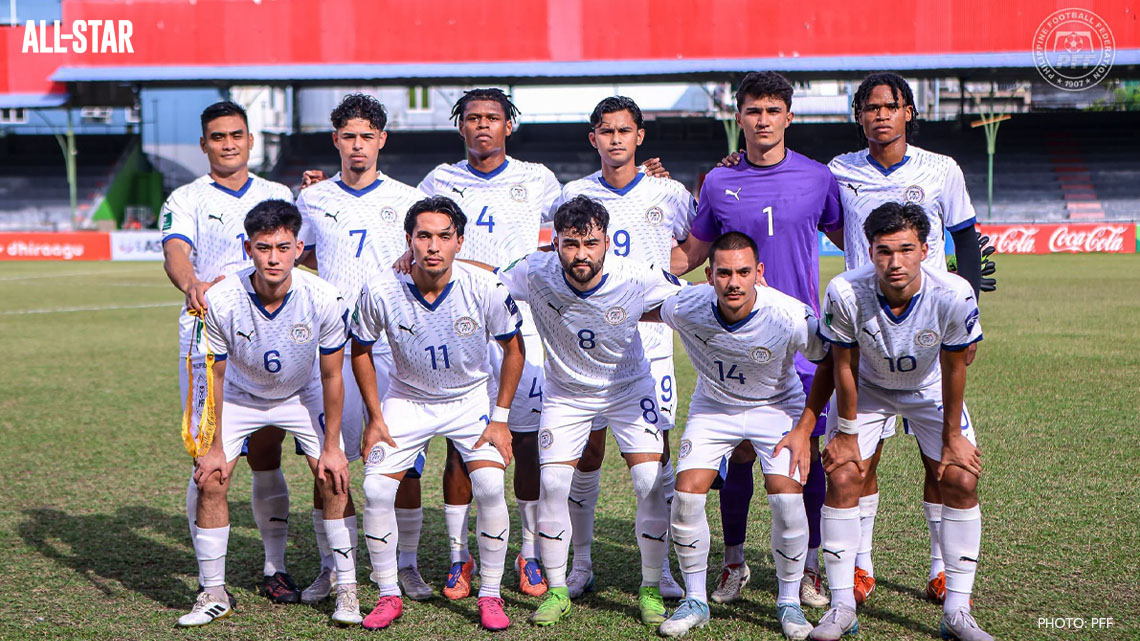
On the men’s side, the Azkals’ 2025 journey felt different, louder and more promising. There were signs of growth: younger faces getting minutes, moments where the football made sense, flashes of what could be. But there were also familiar frustrations. Progress came in inches, not leaps. And while that can be discouraging, it also reflects the reality of a program still trying to build its foundation while competing at the same time.

What 2026 Might Look Like
Heading into 2026, expectations are no longer abstract.
For the Filipinas, fans will demand consistency. Regional dominance isn’t a bonus anymore, it’s the baseline. Strong Asian competition, continued squad evolution, and preparation for the next World Cup cycle will define how success is measured. The talent is there, the belief is there. Now it’s about sustaining it.
For the Azkals, 2026 feels like a checkpoint, not a finish line, but a moment where direction matters more than results. Supporters want clarity, an identity, a settled structure, and a genuine pathway for young players to grow into international football. Nobody is asking for miracles. They’re asking for something they can believe in again.
The Balance Between Patience and Urgency
Ever since the Filipinas broke through on the world stage, the hype around Philippine football has slowly, but surely, grown. More eyes. More conversations. More kids dreaming of boots instead of just sneakers.
But growth comes with responsibility. Yes, patience is still needed. Football development isn’t linear, and progress doesn’t arrive on demand. Systems take time. Players need seasons, not headlines. But patience cannot turn into comfort.
Urgency is just as important. While the Philippines builds, other Asian nations are not waiting. They are investing earlier, organizing better, and adapting faster. If the goal is to compete in Asia first, then evolution has to happen now, not later. Step by step, yes, with intent, clarity, and pace.
The next phase isn’t about chasing global dreams overnight. It’s about closing the gap: becoming more competitive regionally, more consistent continentally, and more prepared tactically and physically. Adapt, improve, repeat. Standing still is not an option.

And the Question That Still Lingers
The 2026 FIFA Men’s World Cup is around the corner. The world will be watching. And the Philippines won’t be there. Again.
So the question isn’t why anymore, it’s when. When does rebuilding become competing? When does potential turn into qualification? When does Philippine men’s football finally arrive on the global stage?
The momentum is real. The interest is growing. The talent is coming. What happens next will decide whether this era is remembered as a turning point, or just another moment that almost was.
For more football coverage, view our story on Marcos Senna.