Why Bringing the WTA to Manila Is Bigger Than Just Tennis
There are tournaments, and then there are moments that feel bigger than the sport itself. Bringing a WTA tournament to Manila clearly falls into the second kind.
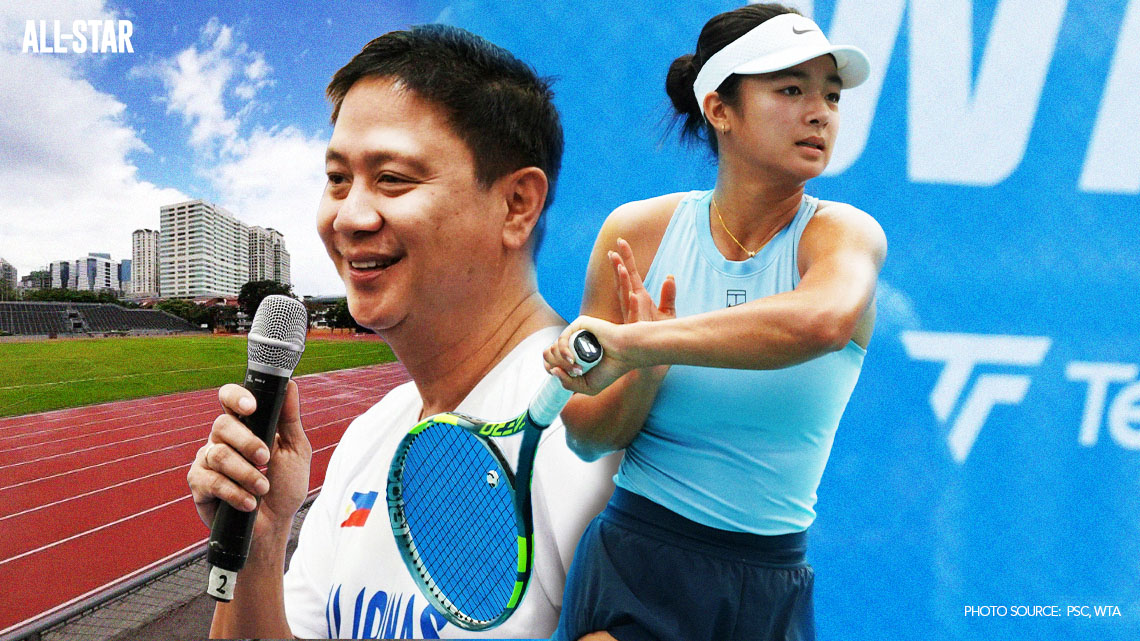
“It’s historic. [We’re] very excited. Over the roof. Once-in-a-lifetime opportunity to showcase Philippines as a sports tourism destination. And to host WTA in Manila,” PSC Chairman Pato Gregorio shares with ALL-STAR.
You can tell this isn’t just another event on the calendar. It’s the kind of milestone people talk about years from now. It’s the first time the Philippines truly steps onto the global stage of professional women’s tennis. Even for those organizing it, the emotion is hard to put into words.
“It’s, you know, so difficult to explain yung feeling, no? Everybody’s excited.”
That excitement, of course, comes with expectations. Crowds are expected to show up in full force, especially with a homegrown star in the spotlight.
“I think we’re expecting jam-packed crowds, especially during the games of Alex Eala.”
But the message goes beyond just one name. It’s also about appreciating the sport as a whole and learning to enjoy every match on the card.
“If you love tennis, watch all the games, di ba?” Gregorio playfully quipped.
Right now, the tournament is a WTA 125. Still, the thinking is already long-term, with hopes of growing into something even bigger.
“In the next two years, we can increase this, elevate it to maybe 250, 500, or 1,000.”
The goal isn’t just to host, but to prove that the country can deliver at the highest standard.
“If we prove to WTA that we can do this right, we do this professionally, we do this well in cooperation with PHILTA, with the City of Manila, with, of course, the Philippine Sports Commission, DPWH, or the Office of the President, you know, pag sama-sama, kayang-kaya eh. And is that the message we want to tell every Filipino? Yes, lahat tayo excited, lahat tayo happy. Sports is a great unifier.”
At the center of that belief is something bigger than tennis: sports as a shared experience. In a country known for basketball arenas and volleyball courts, this feels like opening the door to something new.
“It’s really about time. It’s never too late. It’s about time to showcase other sports and other Filipino athletes.”
He points to the growing list of international events hosted by the country, from volleyball and futsal to surfing, with more lined up in golf, sambo, karate, and sepak takraw.
“All of this to showcase the Philippines. All of this to harness the talent of our athletes. All of this to excite the Filipino people.”
For him, sports tourism is a smart and strategic move, one that shows the country can host and compete on the global stage.
“Sports is a low-hanging fruit as far as sports tourism, tourism programs is concerned. Napakagandang tactical and strategic move.”
For the tennis community, however, the impact runs even deeper.
“It makes the country proud. It makes the city of Manila proud. It makes the athletes proud. And it inspires the young generation to aspire to become world-class athletes.”
That inspiration comes from something simple but powerful: kids watching professionals compete on home soil. It’s what the PSC Chairma values most and why he’s clear this is only the beginning. The plan is continuity.
“This is just the first step. This is just the first year. Through PHILTA, we are requesting WTA for us to host this in the next three years… if we can host in the next 10 years, if we can host in the next 20 years, why not?”
For him, the event is “a great, first, iconic, historical, memorable first step.”
Even the facilities are part of the long-term vision, and not just for a single tournament.
“This is not just for WTA. This is for corporate cups. This is for age groups. This is for inter-school. This is for inter-company. This is for inter-regional meets. Let’s use what we have.”
His approach is about access and sustainability.
“Gamitin natin ng gamitin, kapag nasira palitan. Ang mahirap ay yung nasisira dahil hindi nagagamit.”
For Gregorio, active use is what keeps facilities alive, relevant, and worth investing in. He even looks to history, imagining iconic venues returning to prominence, honoring how “our forefathers planned it.”
And the growth shouldn’t stop in Manila. With the mindset of letting kids play, there are plans to expand to different parts of the country.
“We want Olympic sports to develop regional training centers all over the country. We should have one in Luzon, in Metro Manila, one in the Visayas, and one in Mindanao.”
With big crowds expected — especially with Alex’s star appeal — there’s also a reminder that tennis comes with its own culture and etiquette.
“There are tennis etiquettes. Pag nag-serve po yung player, bawal ho kanchawan, bawal ho ng maingay, that is a respect for the sport.”
Security briefings are in place, and fans are encouraged to learn and respect the rules.
“I’m sure our kababayans will understand that.”
In the end, this WTA event isn’t just about a week of matches. It’s about pride, possibility, and proving that when Filipinos come together, the country can host world-class sporting events.
And do it well.