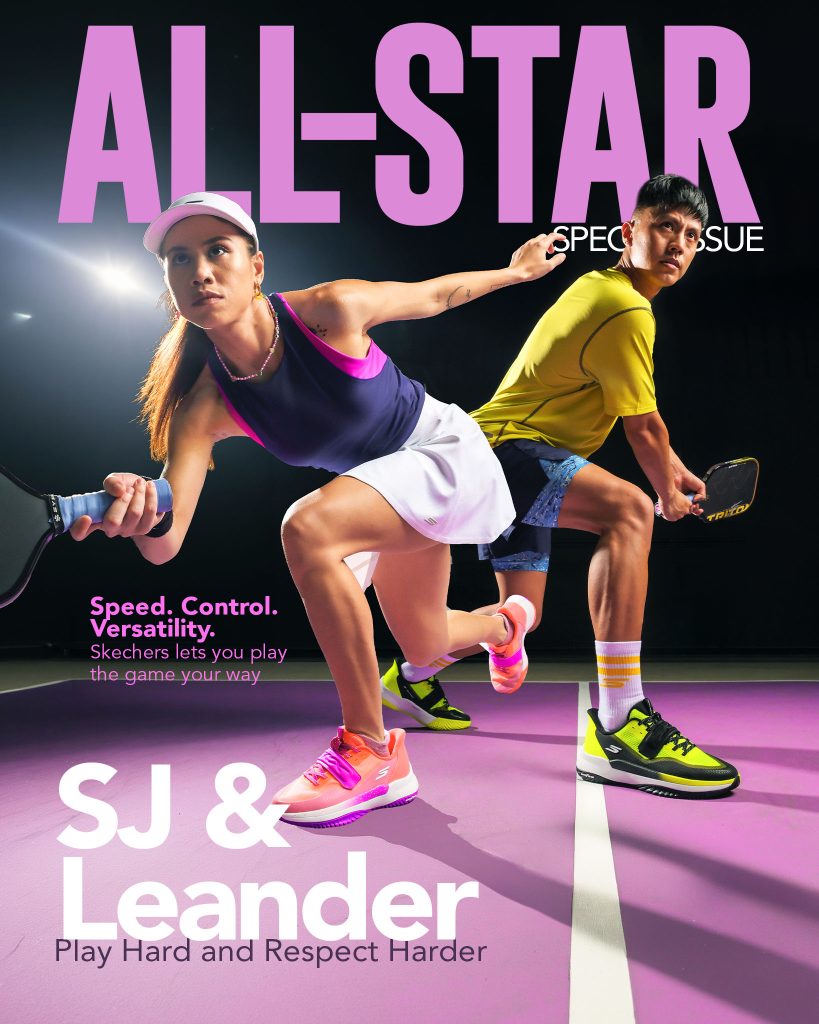
Play Hard. Respect Harder.
Pickleball’s rise in the Philippines has brought a new wave of athletes into the spotlight, with SJ Lim and Leander Lazaro leading the way on the court. As two of the country’s top players, both have become familiar faces in the growing local scene — competing, connecting with the community, and showing how quickly the sport is gaining momentum among Filipinos.
Alongside them is Skechers, supporting their journey both in competition and beyond it. More than just backing athletes, the brand has also become part of pickleball’s growing culture in the country, helping fuel a sport that continues to attract new players, packed courts, and a community eager to grow the game even further.
Letting Go leads to Redirection: How Sarah Jane Lim was introduced to Pickleball
Start anywhere. Play with anyone. And just keep going. That’s how simply SJ Lim started her own journey into the sport. As someone who had a background in sports, well, racket sports when she was a kid up to her collegiate years, she didn’t think she’d be picking up another type of racket after she left that aspect behind. Because pickleball didn’t begin with the intention to find a new sport; instead, it arrived when she had already stepped away from the thing that would help her understand it best.
“I played tennis since I was five years old until college… I already closed my chapter in tennis at that point.”
That decision wasn’t about failure or burnout. It was simply a shift. Because Lim didn’t stop competing—she just found a different arena to do it. She moved into obstacle course racing, where the demands were less about precision and more about endurance and physical resilience.
“I was in the national training pool for obstacle course racing before the pandemic.”
At the same time, she wasn’t just training—she was coaching. She built programs, worked with athletes, and stayed immersed in sport from a different perspective. That detail matters because long before pickleball, Lim already understood how to break down movement, analyze performance, and teach.
Then the pandemic hit—and everything paused.
“I decided to get pregnant.”
What followed wasn’t a search for a comeback. It was simply a slow return to movement, to coaching, to routine. And somewhere in that return, pickleball entered—not as a serious pursuit, but as something casual, almost dismissible at first.
“I just picked it up ’cause somebody invited me to do this pickleball introduction at our church. I wasn’t really keen on doing it. I felt like I closed my chapter on racket sports.”
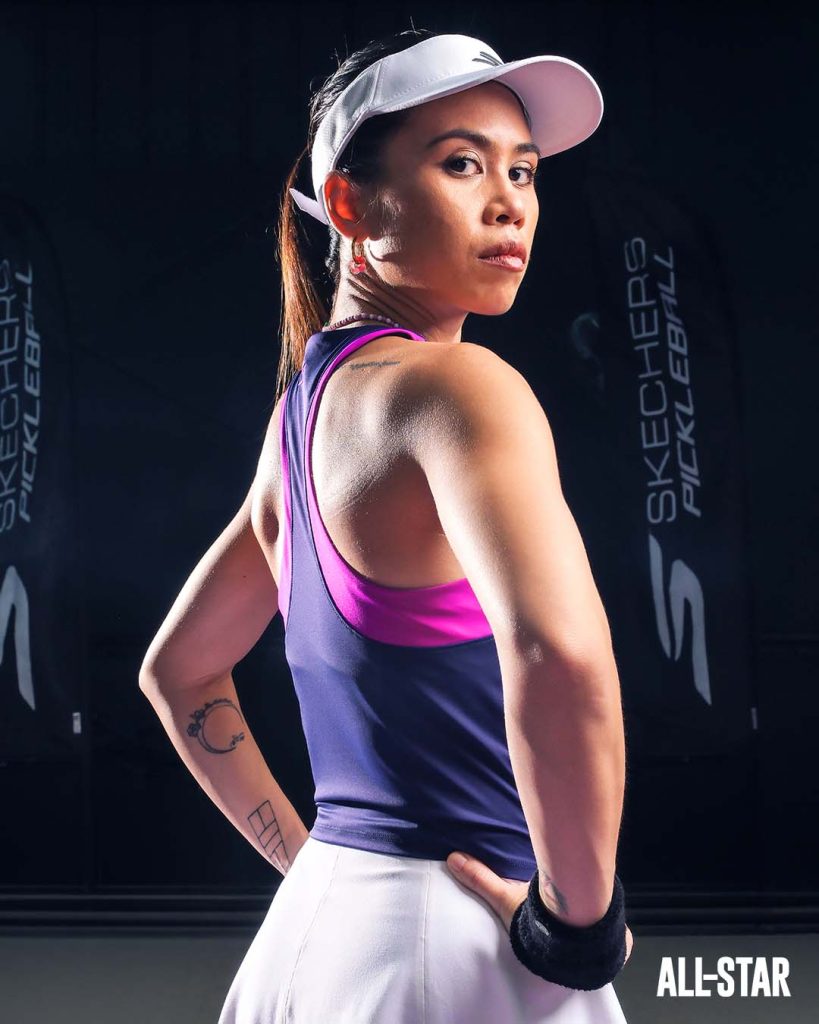
She had already tried other sports. She knew what she liked and what she didn’t.
“I tried badminton, and I didn’t really like it, so I felt like it was gonna be the same.”
But she went anyway—because sometimes, the only reason you try something new is because someone asked you to.
“And then, I was watching it, and I was like, ‘ooh.’ It’s like little tennis with the small paddles.”
That moment was subtle, but it was enough.
“When I tried it, I got so gigil, I was so competitive kaagad.”
It wasn’t just familiarity—it was instinct returning. The movement, the reaction, the competitiveness—it all came back faster than expected. And in that same moment, someone else saw it too.
“Rodel Chu, who’s still a good friend and still a very much prominent personality in Philippine pickleball, he was like, you know, you guys should really try to pursue this sport.”
At the time, pickleball in the Philippines was still developing. There was no clear system, no established pathway, and very little structure. Which meant that the players who stepped into it early weren’t just athletes—they were building the sport as they went.
“After that, I just started playing pickleball every day.”
There was nothing formal about it. No professional courts, no ideal training setups. Just repetition, improvisation, and consistency.
“I bought a paddle, a super cheap one, and started hitting at our garage.”
“I made space here in our warehouse and just lined up a pickleball court with chalk. And that day we were just putting up chairs as pretend nets and then we bought a temporary net, and we just played every day.”
Even her equipment evolved as quickly as her commitment did.
“It’s called Helios, literally for beginners, then one week after I got a Franklin, and then one week after I got the Pro Kennex.”
That rapid progression wasn’t accidental—it reflected how deeply she immersed herself into learning the game. But what made that learning different was how it happened.
There were no coaches.
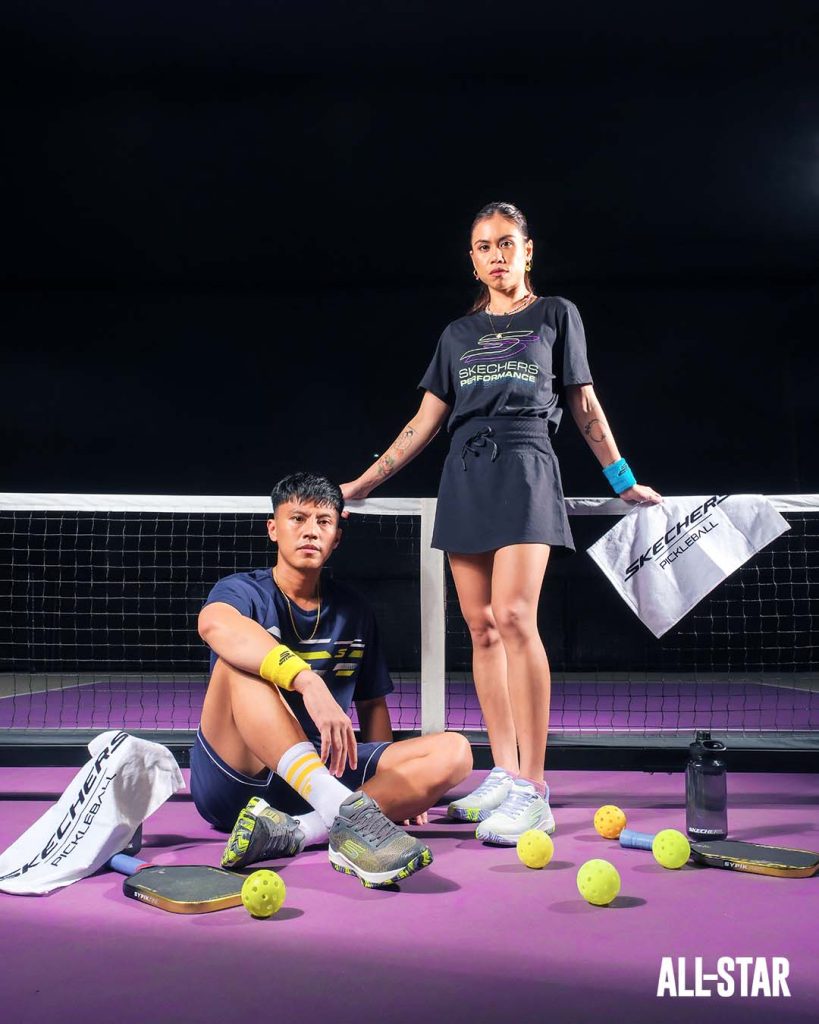
“Kami lang talaga, kami lang yung nagdi-drill. There weren’t really coaches.”
So she and her partner, Leander, relied on something else: their background.
“So Leander and I have a coaching background from tennis, and this is what helped us.”
They didn’t just play—they analyzed.
“Every after a tournament, we’d be like, ‘Okay, what do they do better? What couldn’t we do?’”
They studied players, broke down movements, and looked for patterns.
“So we were very intentional. And we would also watch US games on TV and be like, look at what they’re doing at that point.”
That process—self-coaching, self-correcting, self-improving—became their foundation.
“We really knew that we had to do this on our own.”
And even now, that hasn’t changed.
“We are actually still just coaching ourselves as we tour. We drill with each other, we still break down our games, we break down the games of our opponents, and then we work on it.”
The difference is that the sport has grown around them.
“The difference now and the difference that’s why we’re getting better more quickly is that there are more good players and we invite them and we’d be like, can you drill this with us? And then when we get that skill already, we’re going to invite other players, and we’re going to be like, let’s match play. ‘Cause then we have to apply the skills that we know.”
What used to be built in isolation is now shaped through collaboration. But the mindset remains the same.
“So it’s easier now for the people we coach, ’cause alam na namin. So they don’t have to discover it for themselves, they don’t have to analyze their games for themselves. We’ve already done that for them.”
That’s what defines Lim not just as a player, but as a coach. Because everything she teaches now comes from experience—not theory.
“But we’re glad we had to struggle, that’s what makes us really good players and coaches now.”
That same discipline carries into how she trains. Because pickleball isn’t just hitting a ball with a paddle, it’s still at the end of the day a sport that demands strength from your body.
“We train almost every day, four to five times a week, in drill sessions. Two to three times a week, we have a workout to build strength and power.”
Her background in obstacle course racing still plays a role, especially in endurance. On the court, you would have to run towards the ball while playing. Endurance plays a great role in lasting longer on the court, even if you don’t join tournaments and just opt to have fun in open plays hosted by your club.
“I’ve always loved running. I came from obstacle course racing.”
Preparation isn’t just about playing—it’s about recovery too.
“Before a tournament, it goes as we start tapering through, just like in running. So we focus more on recovery, we slow down, we get more sleep, more hydration, and proper nutrition. So by the time we have to play a three-day tournament from morning to evening, we’re just good.”
“We see a physio at least once a month, and we try to have one rest day.”
That level of structure reflects how seriously she approaches the sport now. And part of that performance is supported by partners like Skechers.
“I’m super thankful for Skechers’ support in sending us to international tournaments, making it easy for us to compete.”
Skechers not only helps her on the court but also outside of it. Supporting her endurance training are running shoes that help her stay comfortable and perform well. Having experienced a lot with other brands, she just feels great to find one that actually suits her lifestyle.
“I actually really love their shoes and their gear. It helps me perform well. I’ve tried other shoes before I got sponsored by Skechers, and sobrang, they’re not good. Like, after a while, I’d be like, what the heck is that? What happened to my shoe? It’s either flat or like the sweat’s coming out of my shoe, and it’s making it all slippery.”
Having a very tight active lifestyle with pickleball and fitness outside the court, and being able to use shoes that not just help you perform better but also make you look good, is a huge deal to SJ. As her saying goes, “If I lose, at least I looked cute.”
“I’m super happy to be powered by Skechers shoes because they’re very stable, and they’re very good. But I’m not getting blisters. I feel like everything is so light. So, I’m performing to the best of my ability with the gear that I have. Um, same same with working out. I love looking cute as always. It’s like for me it’s play and slay. So, I love that Skechers gives me not only cute stuff, cute sports bras, cute tops, and cute skirts, but um, they’re very good, they’re very comfortable for me to play in. ‘Cause I wouldn’t play with anything that’s not cute or not comfortable. It has to be both. That’s me.”
Comfort, for her, isn’t optional—it’s part of performance.
“If your feet are good and comfortable, then they’re healthy. And if they’re healthy, then they can perform well.”
That mix—performance and personality—is part of what makes pickleball different. Because at its core, the sport is built on accessibility.
“People love it because it’s real. like it’s fun. Everyone can play it, and the reason people love it is because you can learn the sport so quickly. It’s hard to master like in every other sport.”
Just like other sports, like running, which can also be considered a social sport like pickleball, it doesn’t take so much time to learn. It’s short but fast-paced, and it’s very accessible too.
Obviously, running is easy to learn, but you’re not going to be the best runner, right? So, parang the same with pickleball, it’s so easy to learn. And then there are so many people to play with. In pickleball, you can play a game in like 10 minutes. Like very quickly. And then dami mo pang kalaro, you can go to different clubs, they have open plays, there’s just so many options.”
When it comes to trying pickleball on a more competitive level, it’s also very accommodating to all skill levels. This not only makes the game interesting but also more exciting to explore.
“You have tournaments for all levels, beginners, intermediate, and advanced. You can play with kids, you can play with seniors. It’s such a social sport, but it also doesn’t take away the competitiveness.”
If you still have a dilemma on trying pickleball, trust me (and her), it’s not just all about the hype. It can be something you can learn in your own circle of friends or your family on the weekends.
“My advice first would be to find friends that you really love to hang out with and let them teach you pickleball. So you know, choose the right shoes, make sure it’s stable. There are already a lot of pickleball shoes in the market, cute ones too, especially Skechers. Get those. As for outfit, bahala na kayo, just be cute.”
She doesn’t recommend jumping straight into crowded spaces. And trust me again, it’s not a good way to start as a beginner, unless of course you’re okay with making a bunch of mistakes in front of people you barely know.
“Open play? No way, people can be so mean. That’s why I said grab your group of friends who already know pickleball that you feel comfortable with and then let them teach it to you, because then it’s more fun when you guys are just taking turns playing. You can laugh at yourself if you’re not doing well, or you can laugh at them. And then you’ll enjoy it more when you feel like you’re playing with safe people.”
For SJ Lim, pickleball didn’t come in as a replacement for tennis or as a continuation of obstacle course racing.
It became something else entirely—something she helped build, understand, and shape.
Curiosity always leads to discoveries: Leander Lazaro finds out about Pickleball
By not following a system that already existed, but by creating one that works, Leander Lazaro has also discovered pickleball while it was still not part of the local landscape. He had already spent years around tennis—playing, competing, and eventually transitioning into coaching.
Pickleball wasn’t something he was looking for. It came into his life at a point when he was already settled into a different phase of his career.
“Yes, so after college, wala pa, wala pang pickleball nun. Graduate ako 2015, but I still played UAAP nung last year ko is 2016. So, after college, nag-continue pa rin ako to play tennis. Pero nag-start na ako ng coaching career ko sa tennis pa rin. Tapos, hanggang 2019. 2019, continuing my playing career. Pero mas more on nag-focus na ako sa coaching. In 2020, the pandemic happened. Then, 2021 of May. Doon ko na nadiscover ang pickleball.”
That discovery didn’t come from passion at first—it came from work, through the same tennis network he had already built over the years.
“I was coaching at the same time, distributing a brand, a tennis brand. So sila rin yung nag-introduce sa akin ng pickleball. Sabi nila, may new sport ngayon sa US. It’s the fastest-growing sport, daw. It’s called pickleball, and I suggest you might want to check your area. Baka meron kayong market. So ako naman, sige, okay, for business. Dahil nag-research ako, nakakita ako ng malapit na court sa amin. Then, yun, nag-try ako. Then nag-start ako. weekends. Kasi wala pang players and wala pang courts at that time, 2021. Then yun, naging weekend thing every Sunday. Then, hanggang nagkaroon kami ng chance na mag-join sa tournaments, lumuwag yung protocols ng quarantine noong time na yun. Then the following year, nag-try na kaming mag-join abroad.”
At that point, pickleball in the Philippines didn’t have a clear structure yet. There were no defined entry points, no established community—just a handful of people, a shared space, and a willingness to figure things out as they went.
“Actually, wala akong friends. Pumunta lang akong mag-isa. Nag-message ako dun sa organizer, yung head sa one of the main organizers ng Pickleball at that time. Wala akong kilala. Naglaro-laro lang kami. Then, we became friends. Until now. Thankful ako sa kanya.”
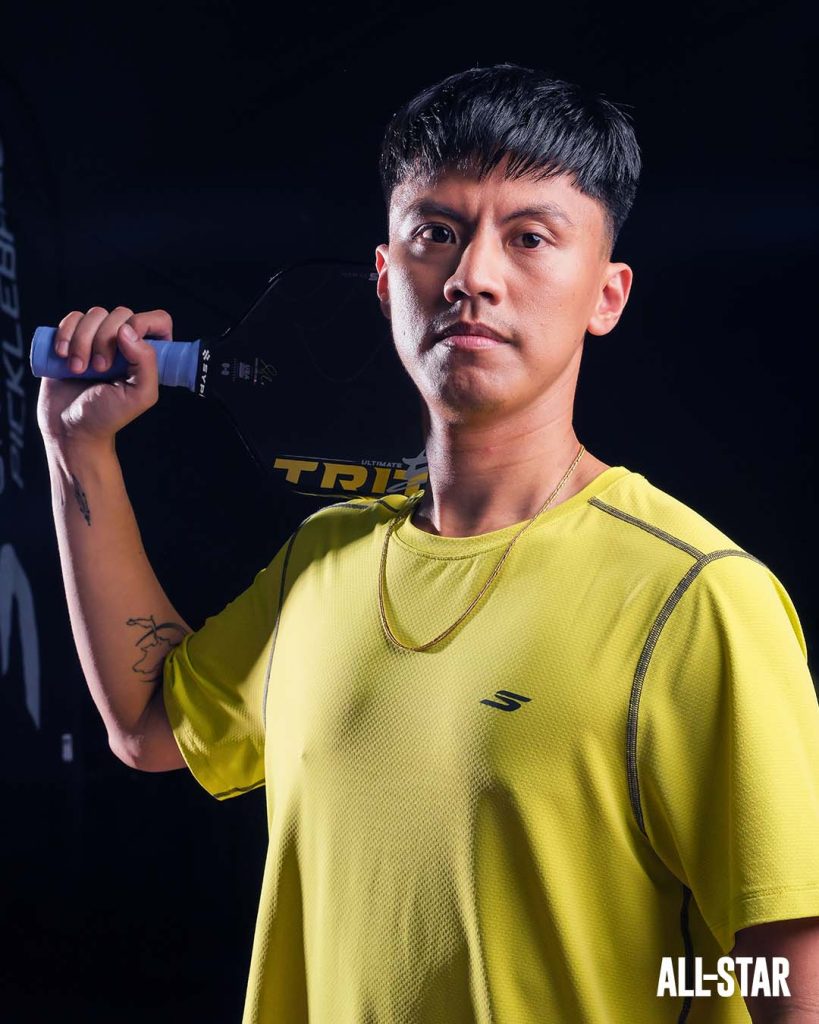
That’s how it begins for most people—not with certainty, but with experience.
But for Lazaro, experience alone wasn’t enough. Coming from tennis, he already understood what it meant to train with purpose. That mindset shaped how he approached pickleball from the very beginning.
“So, di ba nagko-coaching ako sa tennis, so, growing up, meron ako somehow na system on how to train, how to do sa training. So, i-a-apply ko lang siya sa pickleball. But of course, marami akong mga pinanood na YouTube videos. I’m sure lahat ganun yung ginagawa. Plus, sobrang nanood ako ng mga pro tournaments. Sobrang nanood ako, nagse-spend ng time palagi sa mga tutorial videos. Then, ina-apply ko siya sa pickleball skills. Plus tournaments. Kailangan talaga may tournaments.”
Because learning a new sport isn’t just about playing—it’s about understanding how to improve, and being intentional with that process.
“Number one, Dapat alam mo yung techniques, and after mo malaman yung techniques, kailangan mo siya i-repetition, high repetition. So, yun yung mag-gain ng skill mo.”
Still, pickleball wasn’t something he could simply carry over from tennis. It required adjustment—and more importantly, it required letting go.
“So yung pickleball, since sabi nila parang tennis na pingpong na badminton, which is very, very accurate yung pagka-describe niya. So marami yung skills ko sa tennis na nakatulong somehow. But marami rin akong kailangan iunlearn. So yung unlearning na process ko is very interesting for me kasi vocal ako, alam ko na lahat. Pero ang dami pa, until now, na ginagawa namin ito professionally, ang dami pang nadidiscover na pwede pa palang gawin, ganito or yung game style, how the game is being played in today’s pickleball na marami nang nagbago sa technology and all that stuff.”
That constant discovery is part of what keeps players in the sport. Because even when you think you understand it, the game continues to evolve—and demands that you evolve with it.
And for those who haven’t tried it yet, the appeal isn’t complicated.
“Well, I suppose. As a coach, hindi lang as a coach, as a player of the game. Sobrang kailangan niyo lang siyang ma-try. Pag na-try niyo siya for the first time, yun na yung hook niyo. I mean, wala pa akong kilala na player or naging player na tinry niya tapos hindi niya nagustuhan.”
What makes people stay, though, goes beyond the game itself. It’s the space it creates—the kind of sport that allows both competition and connection to exist at the same time.
“Well, I think because it’s very social. Yung social aspect niya is unlike, let’s say, running. Daming nagre-running, pero parang walang social aspect yung running. Pag nag-run ka, pagkatapos, uwi na kayo. Usually ganun. Pero sa pickleball, maka-one game ka, tapos maghihintay ka ng next game. Kasama mo yung friends mo. Nakakapag-socialize kayo while waiting. And then, while playing, nakakapag-socialize pa rin, and you guys have fun together. And hindi lang sa friends, pati sa family mo. Lahat makakalaro mo. Whether lolo mo, anak mo, kapatid mo, lahat makakalaro mo.”
Now, compared to when he first started, everything has changed—especially when it comes to access.
“Oo, yung gears ngayon sobrang accessible na eh. Unlike noong sa amin noong 2021 na kailangan mo pa mag-import or orderin kung saan man. Pero this year, 2026, sobrang accessible na ng lahat. Especially available na siya sa mga courts, ang dami ng courts kung saan saan. Sobrang accessible na yung gears.”
Even equipment follows that same progression: start simple, and grow as you improve.
“Kahit anong paddle lang, if you’re starting, di naman kailangan maganda agad yung paddle. Kasi di ka pa naman sure kung gaano ka-committed mag-pickleball. So I would say okay lang kahit ano. Pero, once you want to improve. Kailangan mo na talaga yung mga performance panel, like yung mga may surface na made into carbon fiber. Kasi marami yung mga entry-level na fiberglass. So, cheap material siya. Pero pwede na. Pwede na.”
And when it comes to learning, there’s no single way to begin—only what works best for the player.
“Well, today may options ka na. Pwede ka mag-start sa open play. Pero kung, I mean, kung di mo alam yung rules, mas maganda kung kayo muna ng mga friends mo na willing na turuan. Or kung wala kang friends na marunong na. And may time turuan ka, pwede kang mag-hire ng coach. At least for the first two sessions, para maturuan ka ng proper rules and basic skills na kailangan mo. Then kung feeling mo or kung di ka naman mahiyain, mag-join ka na sa open play. Then, try mo.”
But once you move beyond that beginner phase, the sport starts asking more—not just skill, but preparation.
“Oo, very important kasi choosing the right gear will prevent you from getting injuries. Lalo na kung competitive ka, nag-join ka ng tournaments. Syempre, ayaw mo naman gumamit ng running shoes na na made for vertical movements lang. So pickleball is a lot of lateral movements, tapos explosive stuff. Hindi siya same movement every time, unlike running. So crucial yung gears, especially sa pickleball. So kailangan may lateral support ka.”
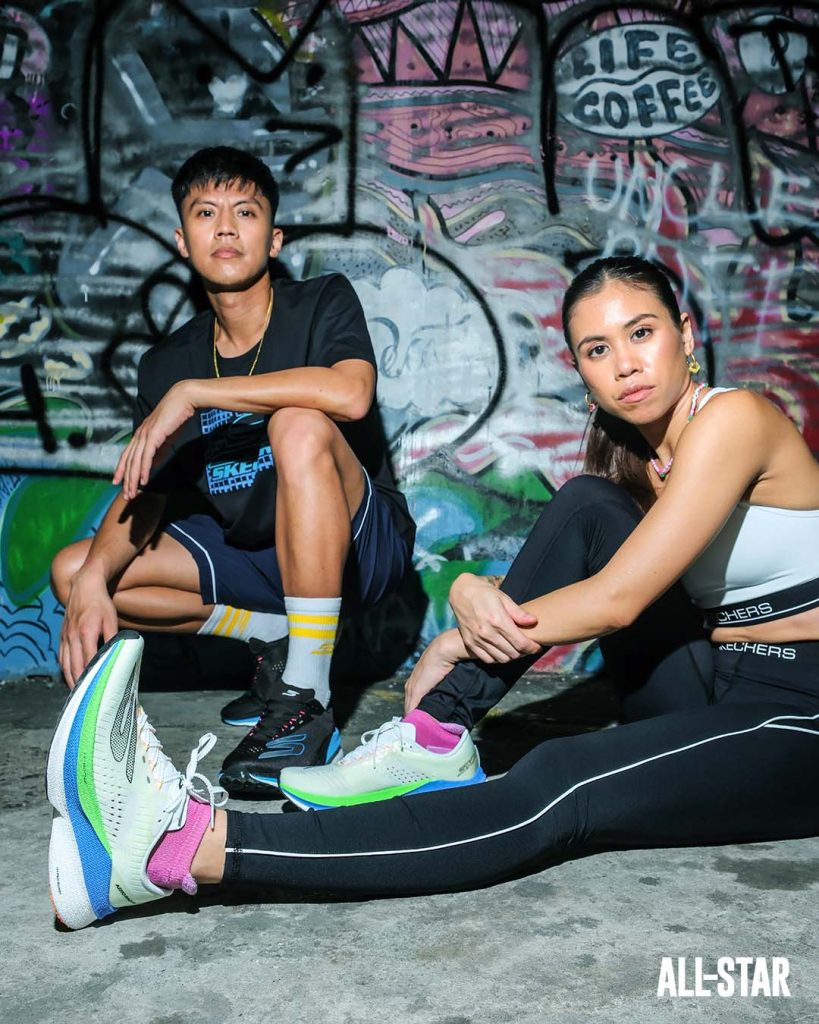
That’s where fitness becomes essential—not just inside the court, but outside of it.
“Before, madalas talaga akong pinapatakbo ng coach ko sa tennis. Which is, it helps with my aerobic endurance. But habang na-de-discover ko yung mga scientific approach sa sport, I found out na yung running is one part lang ng training. Kailangan talaga yung sinabi mo na weightlifting, kailangan mo maging strong. Hindi siya nag-build ng muscle. Nag-build lang siya ng endurance. So sa pickleball, crucial yung strength ng legs. Well, actually, overall. Kasi gumagalaw ka nang kahit anong movement, eh. Lateral, pwede kang mag-jump, pwede kang biglang mag-sprint. So hindi lang siya basta running. It’s parang holistic, power, explosive na strength and conditioning.”
And even the smallest details—like what you wear—begin to matter when performance and recovery are on the line.
“Yeah, fitness-wise, especially running na something na ginagawa ko lately for my aerobic endurance. Nakahelp sa akin sobra yung Skechers na running shoes. Because it’s light and comfortable. And easy, easy na to run. Hindi siya nagsosore. Usually, kasi nagsosore yung foot and yung legs ko. So with Skechers running shoes na very comfy, it helps me on my recovery aspect also kasi hindi na siya nagsasore that much.”
At a more competitive level, those demands only become clearer.
“Very important kasi sa higher level, it will demand a lot kasi very physical yung game pagka professional level. Lahat marunong mag-defense, mag-offense. So if ganun yung level na nilalaro mo. I’m sure every point would be so physical. And sa pickleball format, hindi siya one game a day kagaya ng tennis. It’s like a whole day na puro ganun yung level ng matches mo. So pag hindi ka fit, bababa yung performance mo. Pwedeng magaling ka sa first 2 games, but pagdating ng 3rd, 4th, 5th, bumababa na yung performance mo kasi pagod ka na. So very crucial yung performance fitness.”
He didn’t just pick up pickleball. It was something he had to relearn—rebuild—and understand from the ground up.
Play Hard, Respect Harder Movement
As the sport continues to grow, so does everything that comes with it—the good, the exciting, and the complicated. That’s how Leander and SJ’s ‘Play Hard, Respect Harder’ advocacy started.
With more players entering the game, more courts opening, and more tournaments being held, pickleball has quickly evolved from something people were just discovering to something people now deeply care about. But like any fast-growing sport, that rise hasn’t come without friction.
“With the rise of the number of pickleball enthusiasts, facilities, open plays, clubs, and tournaments, come problems and issues as with any popular sport,” SJ Lim shares.
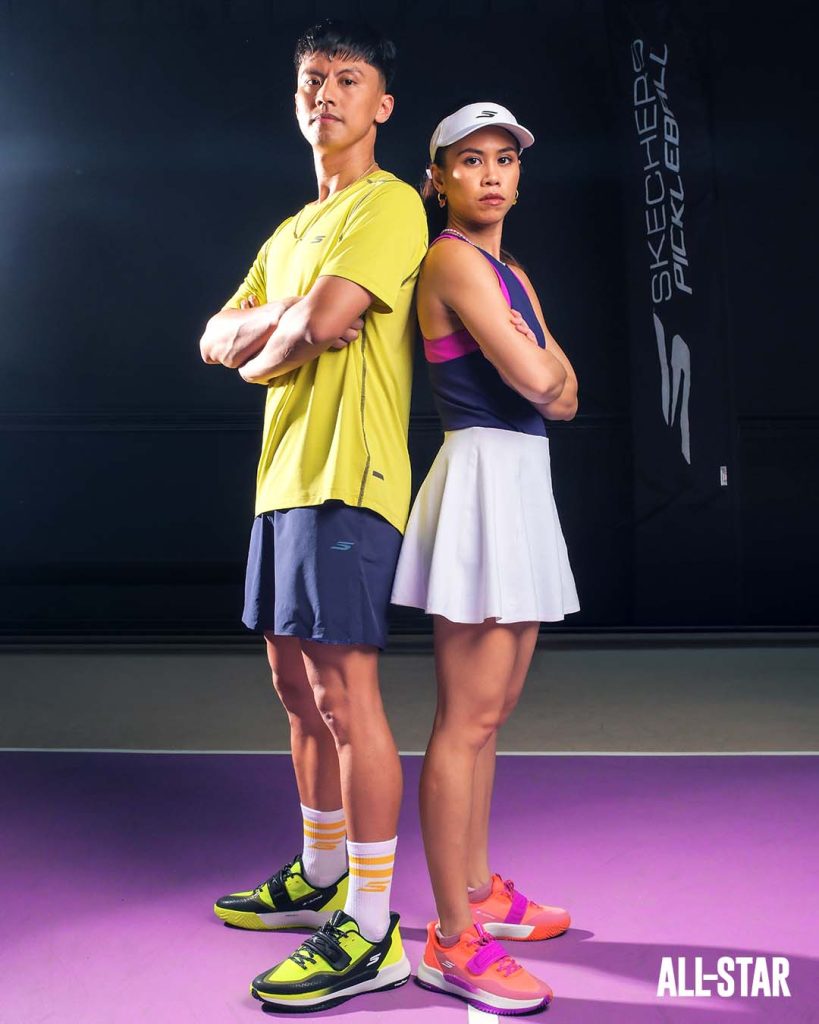
What used to be simple conversations about where to play or how to start has slowly shifted into something else.
“We noticed that what used to be a lot of posts about where to play, how to start playing, and what paddle to get, now become complaints on courts, open plays, and players. There have been several mistakes by clubs, facilities, tournaments that have been blown up on the internet and caused public hate.”
And in a space that is still developing, those growing pains can easily define the culture if left unchecked.
But for Leander Lazaro and SJ Lim, growth isn’t just about expansion—it’s about direction.
“With our influence in the community, Leander, my husband, Ken, and I have decided to start this movement to set a standard and culture for our pickleball community. And that is a standard of respect. Though issues may come, it can always be resolved respectfully and with a purpose of growth,” SJ says.
Because at the end of it, what matters isn’t whether problems exist—it’s how people choose to respond to them.
“It doesn’t need to resort to bashing, but we believe that we can all develop players, build better facilities, make better tournaments, and grow as a community when we, at the very least, give respect to each other on and off the court.”
And maybe that’s what will define pickleball moving forward—not just how fast it grows, but how well the community learns to grow together.
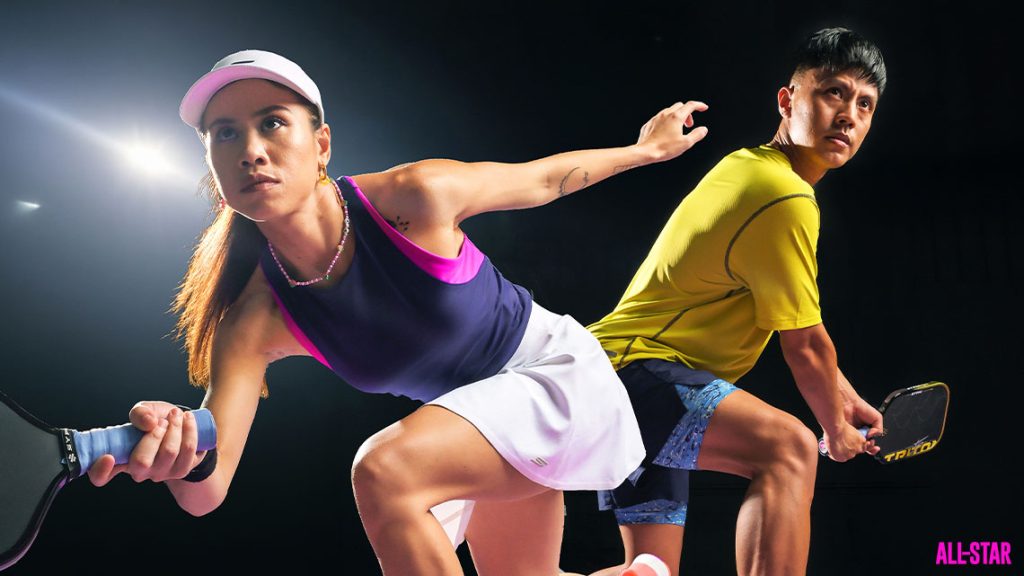
For more exclusive pickleball stories, click here.
Publisher: James Leonard Cruz • Art Director: Karlota Tuazon • Cover Story / Interview: Chinyere Cabas • Photographer: Arvyn Peter Radovan • Videographer: Jeremy Thomas De Ramos and Mags Reyes • Hair and Makeup: Team Muriel Vega Perez • Styling Assistant: Dafnie Montesa • Social Media: Carlo Cruz