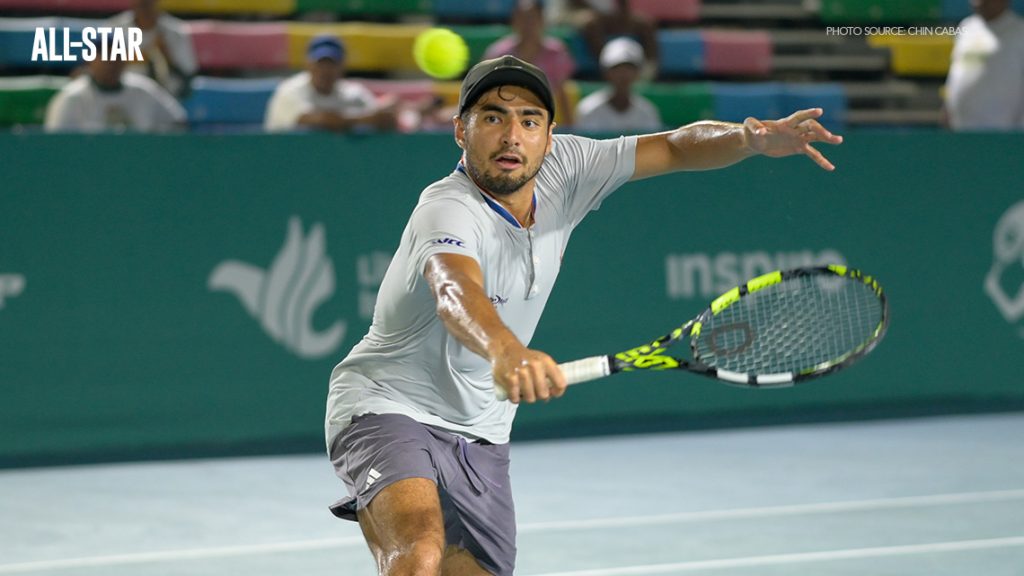
Christopher Papa: Coming Home Through Tennis
A tournament is just another stop on the calendar but for Christopher Papa, it felt a little different.
The courts were unfamiliar. The heat was unlike anything he regularly experienced in the United States. The opponents were players he had never faced before.
But the culture? That part already felt familiar.
Growing up in America, Chris always knew he was Filipino. His mother is from Cebu, his family regularly gathered for Filipino celebrations, and many of his childhood memories revolved around the food, traditions, and family connections that remained strong despite living thousands of miles away from the Philippines.
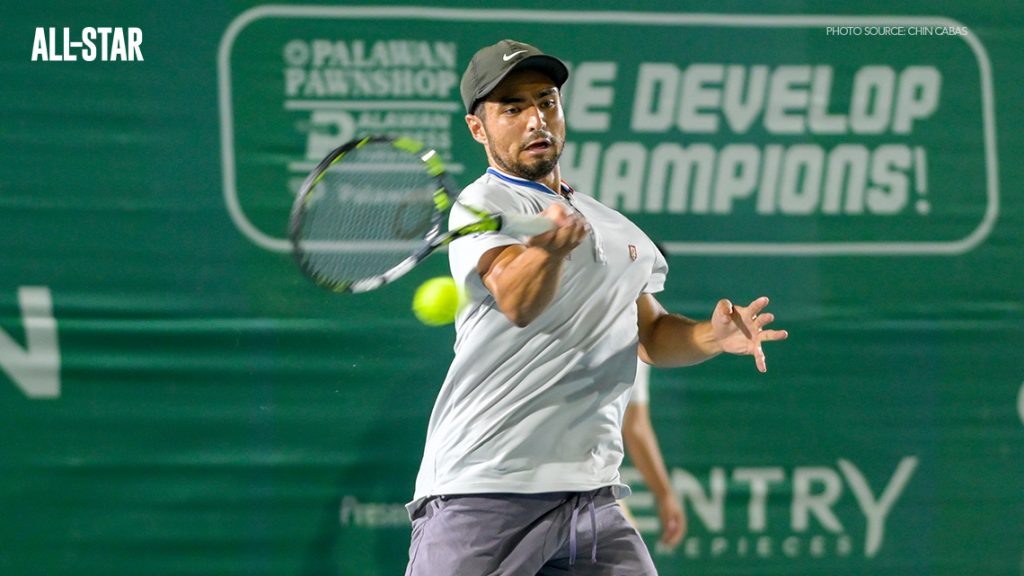
“My mom’s Filipino, so we would always do Filipino get-togethers, big events, and always enjoy eating good food. I grew up with my lola around too. Filipino culture has always been a big part of my life and something that I’ve really grown to appreciate the older I get.”
So when fellow Filipino tennis player Francis Alcantara encouraged him to play in the Palawan Open, the opportunity felt like the right one.
“Francis actually was the one that told me that it’s a good tournament. I also wanted to come play a tournament in the Philippines because I’m Filipino-American. It was a good opportunity. It worked out with my schedule, and I decided to come.”
The tournament represented a first. Not his first visit to the Philippines—he had been here before to visit relatives—but his first time competing on Philippine soil.
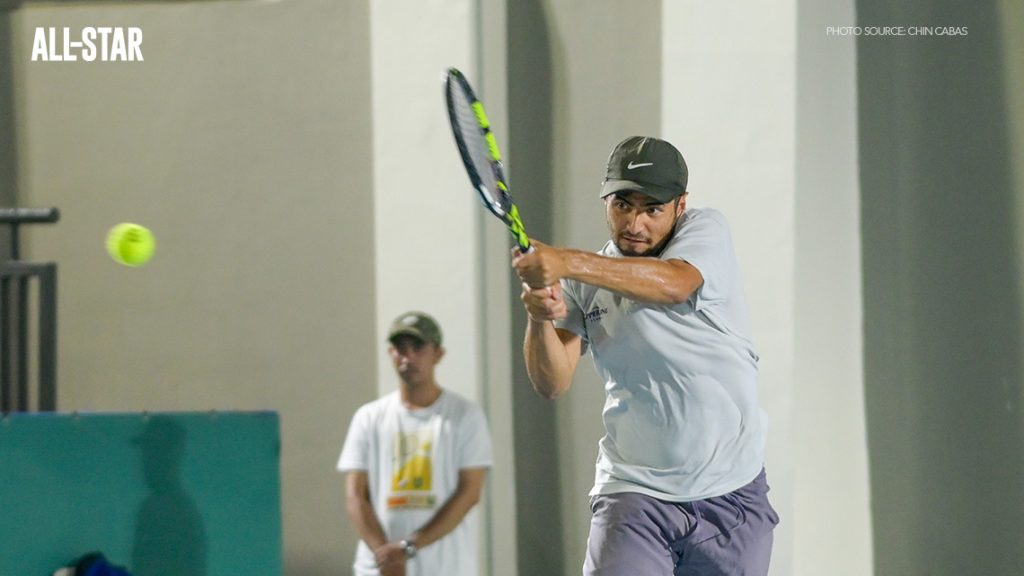
“I’ve been in the Philippines before visiting family, but never playing tennis.”
That distinction mattered. Because while Chris had long known the Philippines through family gatherings and visits, this was his first opportunity to experience the country as an athlete.
Most of his experiences in the country had existed outside the lines of a tennis court. This time, he would see the Philippines through competition, through long days under the sun, and through matches against players he had never faced before.
The adjustment was immediate.
“The weather’s been hot, so it’s definitely been a factor and been difficult physically.”
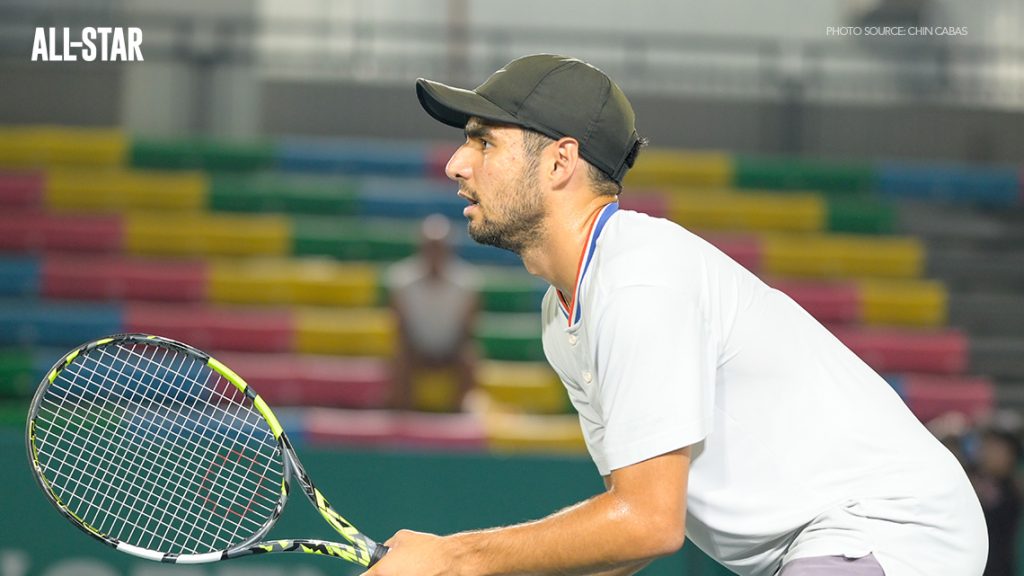
For players accustomed to different conditions abroad, Philippine heat can quickly become an opponent of its own. Long rallies feel longer. Recovery becomes more important. Every match requires a little more from the body.
Still, the challenges never overshadowed the experience.
“The hospitality has been great. The people are all super nice, so it’s been fun.”
What surprised him most, however, was the level of tennis he encountered.
As the week progressed and Chris advanced deeper into the tournament, he found himself gaining an even greater appreciation for the local tennis scene.
International players often arrive with rankings and expectations, but he quickly realized there were talented players throughout the draw regardless of rankings.
The rankings may not always tell the full story.
“You have some guys that maybe aren’t ranked, or you don’t really know about, and they can still play some pretty good tennis. It’s always fun to see that and very encouraging to see that there’s some good tennis players here in the Philippines.”
Coming from a circuit where many players train and compete full-time, Papa acknowledged there are differences between the local and international levels.
“I think a lot of the people playing here aren’t playing full-time, which definitely means I have a bit of an advantage. But saying that, there’s still some really good players here.”
That appreciation extended beyond the court too.
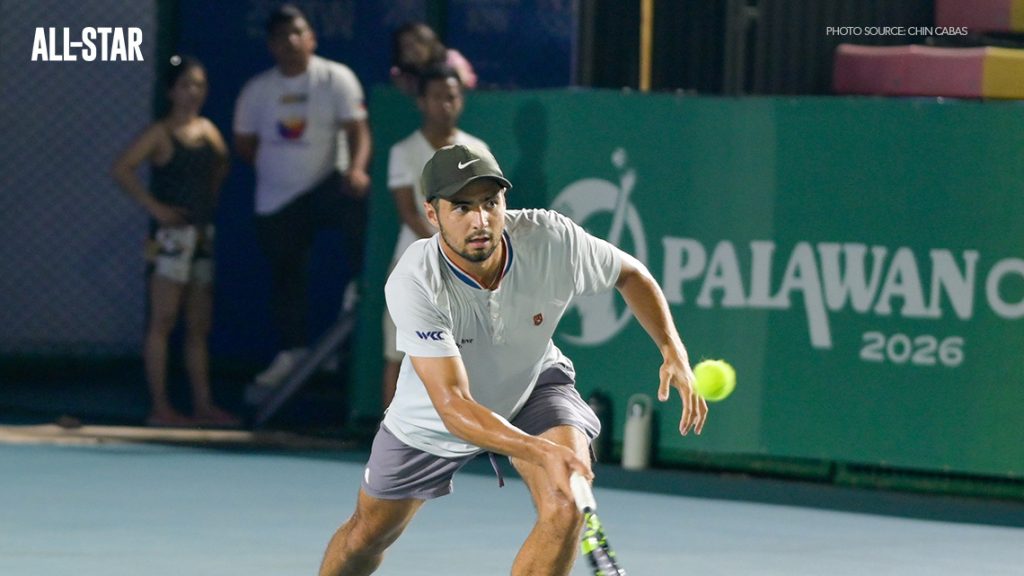
Now, competing in the Philippines for the first time, those connections felt a little more tangible.
Tournament schedules left little room for sightseeing, but Papa still found opportunities to explore whenever matches and recovery allowed.
“I’ve been able to go to a couple restaurants, explore a little bit, went to the Mall of Asia. It’s a little tough when you’re playing tournaments because you’re trying to make sure you’re preparing correctly and giving yourself the best chance to play well.”
So whenever he had free time, Chris found himself doing what many visiting Filipinos enjoy most: exploring through food.
“I love eating.”
Between matches, he managed trips to restaurants, visits around Metro Manila, and enjoying familiar flavors that reminded him of home despite being thousands of miles away from where he grew up. Still, the food remained the highlight.
“I went to this really nice Filipino restaurant. They had some really good lugaw and some good sinigang,” he recalled.
And like many Filipinos around the world, there was one familiar favorite he couldn’t skip. And, of course, that stop was mandatory.
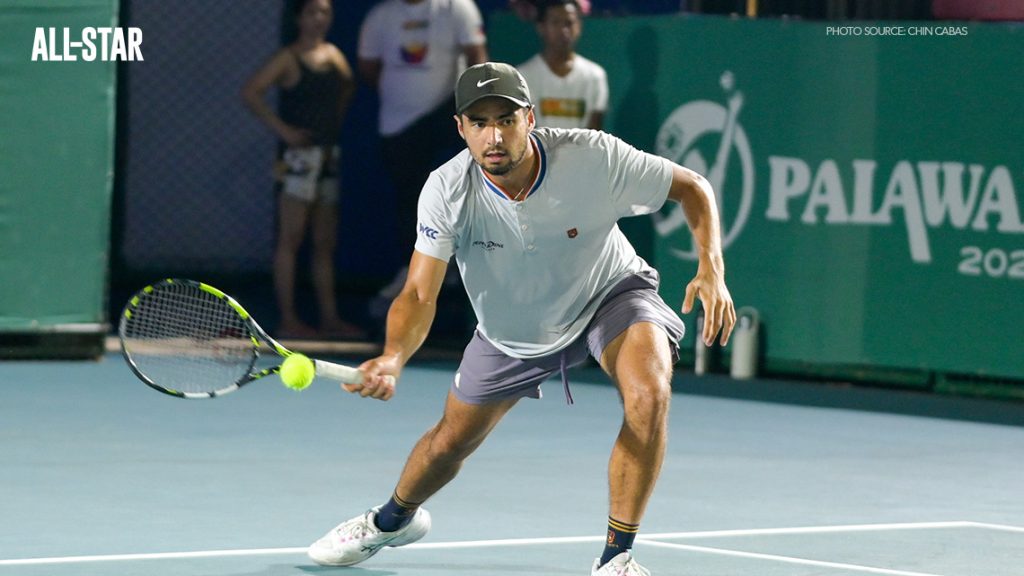
“Obviously Jollibee. We have it in America too, so that’s always good. Can’t go wrong with Jollibee.”
By the end of the week, Papa had come to Manila hoping to play a strong tournament and test himself against a new field of opponents.
He accomplished that. But the experience became something more.
It became a chance to compete in a country he had always known through family stories and traditions. A chance to connect with local players, local fans, and a tennis community he had never fully experienced before.
What followed was a reminder that sometimes, the most meaningful tournaments aren’t defined by rankings or results.
Sometimes, they’re defined by where they take you back to.