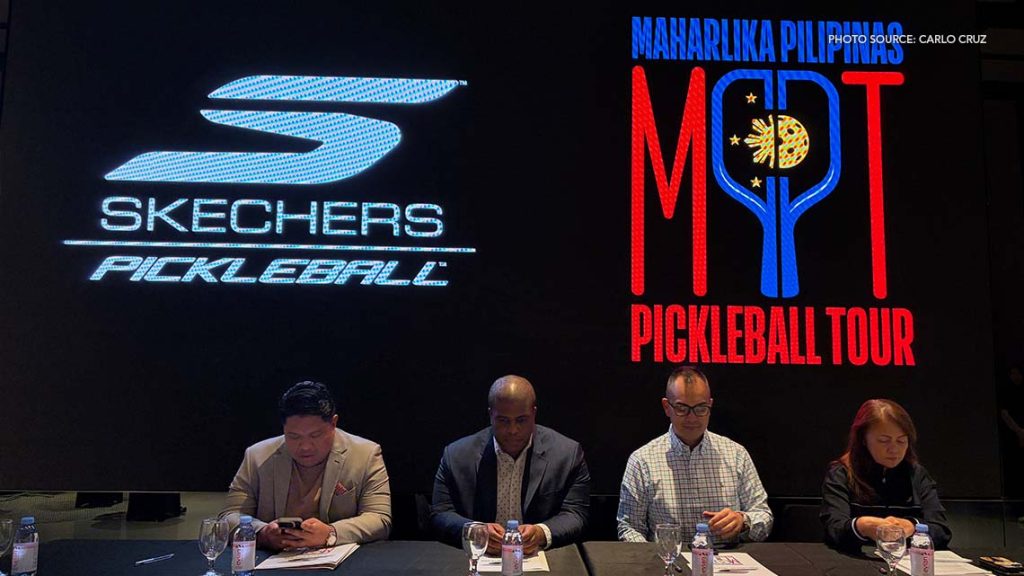
More Than a League: How Maharlika Pilipinas Pickleball Tour Is Building a Home for Filipino Pickleball
Pickleball is no longer a sport that needs much introduction in the Philippines. More Filipinos are picking up a paddle, stepping onto a court, and discovering a game that can begin with a few friends before turning into something much bigger.
That growth, however, also raises a different question: where do players go when they want to see just how far they can take the sport?
The Maharlika Pilipinas Pickleball Tour (MPPT) is looking to become that answer. Rather than simply creating another tournament where players compete, MPPT has positioned itself as a home for the country’s best pickleball players while giving them a chance to represent something beyond themselves.
“For the longest time in the Philippines, the situation has always been, yeah, we play pickleball, we enjoy playing pickleball. But what is the level of real and pro pickleball where you will be able to stack yourself against not just the best in the Philippines but also the best in the world?”
MPPT Chief Marketing Officer Cedelf Tupas asked during the press conference.
That question sits at the center of MPPT’s vision. The tour wants to create a space where Filipino players can measure their skills against the country’s strongest competition, while eventually giving them a platform that can connect them to the wider international pickleball scene.
The league’s approach is also distinctly Filipino. Its players do not simply compete as individuals. They represent the places they come from, turning the competition into something that connects professional pickleball with the communities that helped produce its players.
Building a Home for Filipino Pickleball
MPPT currently has 12 teams representing different cities and provinces across the country, with representation stretching from Mindanao and the Visayas to Northern Luzon, Southern Luzon, and Metro Manila. The number itself became a reflection of just how much interest was already surrounding the sport.
The original target was only eight teams.
“We had to actively stop people from joining because it was already overwhelming,” Tupas said.
That demand also presented an opportunity. More teams meant more players competing against one another, and more competition meant more opportunities for everyone to improve.
“The more people play against each other, the more they get better together,” Tupas added.
That idea is central to how MPPT sees its role in Philippine pickleball. The league is not only meant to showcase players who are already at the top. It is also intended to create an environment where competition itself can help raise the level of the sport.
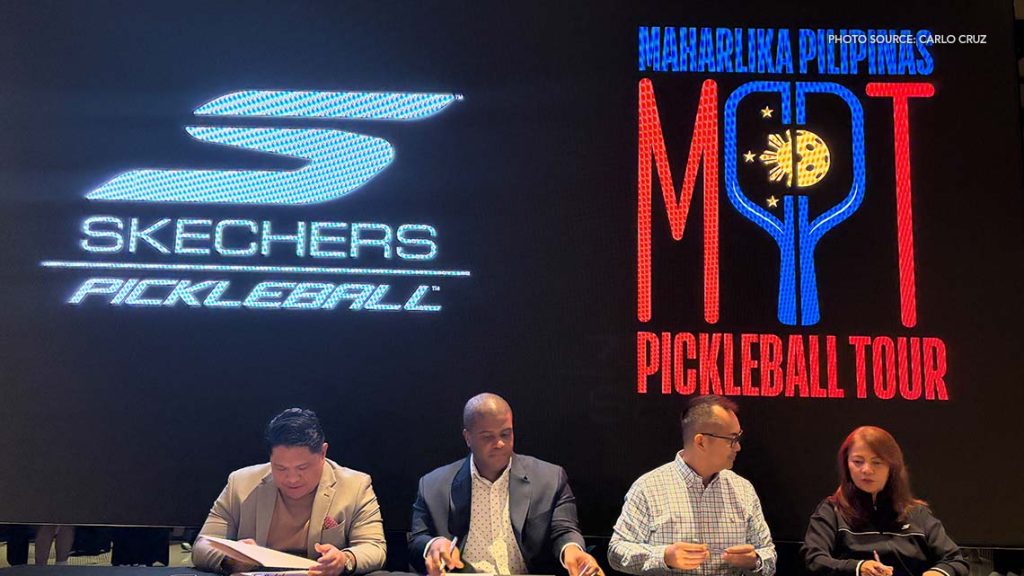
As pickleball continues to grow at the grassroots level, MPPT provides another layer to that development. Someone can discover the sport casually through friends or family, become part of a local community, and eventually see what the highest level of Philippine competition looks like.
That connection between the grassroots and the professional game is important because pickleball’s growth has never been driven solely by elite athletes.
From Community to Competition
For many Filipinos, it begins at home.
One person picks up a paddle. A spouse tries it. Children join. Friends are invited. Those friends bring other people along. Before long, a simple game becomes a community.
“In my experience, we started with my kids, my wife, and then we met other people, and then we created a community,” MPPT Commissioner Mark Espinosa said.
That experience reflects what MPPT hopes to represent beyond its role as a professional league. The tour sees itself as part of a much larger family of Filipino pickleball players.
“MPPT is not only a league that showcases the best players in the Philippines, but we also represent a big family. Not only a community, but a family of all pickleball players,” Espinosa added.
That sense of community is also part of what makes pickleball different from many other sports. Its accessibility allows people from different ages and skill levels to participate, while its social nature makes it easy for newcomers to find people to play with.
The sport can begin casually, but it does not have to stay that way.
Creating Opportunities for Filipino Athletes
MPPT’s founder and chair, Manny Pacquiao, sees that progression as part of the larger purpose behind the league. According to Tupas, Pacquiao has consistently emphasized creating opportunities for Filipino athletes, drawing from his own experience of pursuing sport without having the same opportunities available to athletes today.
That philosophy extends across the Maharlika Pilipinas sports ecosystem, with MPPT joining other sporting initiatives under the same broader goal of creating platforms for Filipino athletes.
“At its very core, that’s really the opportunity to give the platform and the talent to the Filipino community,” Tupas said.
For pickleball, that platform also serves another purpose: showing the rest of the world what Filipino players can do.
There are already plenty of Filipinos playing the sport. What has been missing is a larger stage where their ability can be seen, measured, and developed.
MPPT hopes to provide that stage.
A Growing Pickleball Ecosystem
But building the sport also extends beyond putting the best players on a court. As pickleball grows, so does the ecosystem around the players and communities driving that growth.
That is where Skechers enters the story.
The brand’s involvement with MPPT is tied to a broader effort to support pickleball at a time when the sport is moving beyond its grassroots beginnings and into the mainstream. The partnership recognizes that the people helping build pickleball are not only the professional players, but also the communities and organizations that have kept the sport growing.
The development did not happen overnight.
The Philippine pickleball community had already been working in the background for years, long before the sport became as visible as it is today. The federation and its members helped build the grassroots foundation, while initiatives such as street pickleball gave aspiring players another way to discover the sport.
For Skechers, being part of that history means supporting a movement that was already growing before it received widespread attention.
“The grassroots have been, you know, the sport has been there. But it’s not in the mainstream. It wasn’t in the mainstream,” Skechers Philippines Country Manager Suzette Pasustento said.
That grassroots connection is particularly important because many players did not discover pickleball through traditional sports pathways. Some found it through friends, family, or community games, while others simply tried it because someone invited them to play.
And once they did, the sport often became difficult to leave.
Making the Game Better for New Players
There is also a practical side to helping new players stay in the sport. As participation grows, so does the need for equipment that allows players to move comfortably and confidently on the court.
MPPT Commissioner Mark Espinosa shared his own experience of entering pickleball without knowing what kind of footwear he needed. Like many newcomers, he initially played in regular sneakers, even as he began noticing how the demands of the sport affected his body.
The experience helped shape how he viewed Skechers’ role.
“When I got the shoes of Skechers, you know, when I wear that, there’s already, you know, for me, a decision of what to wear when I play pickleball,” Espinosa said.
For him, the shoes were not simply about appearance. They became part of being able to play comfortably and perform better while considering the physical demands that come with playing regularly.
That matters in a sport that encourages people to keep coming back.
“It’s fun. You get to play every day,” Espinosa added.
From Casual Player to Professional Stage
Pickleball’s appeal lies partly in how easily it brings people together, but its continued growth depends on creating pathways for those people to develop. A casual player can become a regular. A regular can become a competitive player. And a competitive player can eventually find a place on a professional team representing a city or province.
MPPT is trying to build that middle ground.
It gives the country’s best players a place to compete while allowing the sport’s growing community to see what the next level looks like. With 12 teams representing different parts of the country, it also gives Filipino pickleball a distinctly local identity while keeping its ambitions international.
The goal is not simply to prove that Filipinos can play pickleball.
It is to give them a stage where they can show exactly how good they can become.
And perhaps that is why MPPT’s story is bigger than the league itself. The tour is being built at a moment when pickleball is spreading from homes and neighborhoods into organized competition, from friends inviting each other to play into athletes representing entire communities.
The paddle may be what brings people onto the court, but the people around the sport are what keep it growing.
For MPPT, that means creating a home for the best players. For Skechers, it means supporting the people discovering and developing the sport. And for the Filipino pickleball community, it means having more places to play, more people to play with, and now, a professional stage to aspire toward.
Pickleball may have started with people simply looking for something fun to play.
In the Philippines, it is becoming something much bigger.