Home Court, Full Circle for Alex Eala
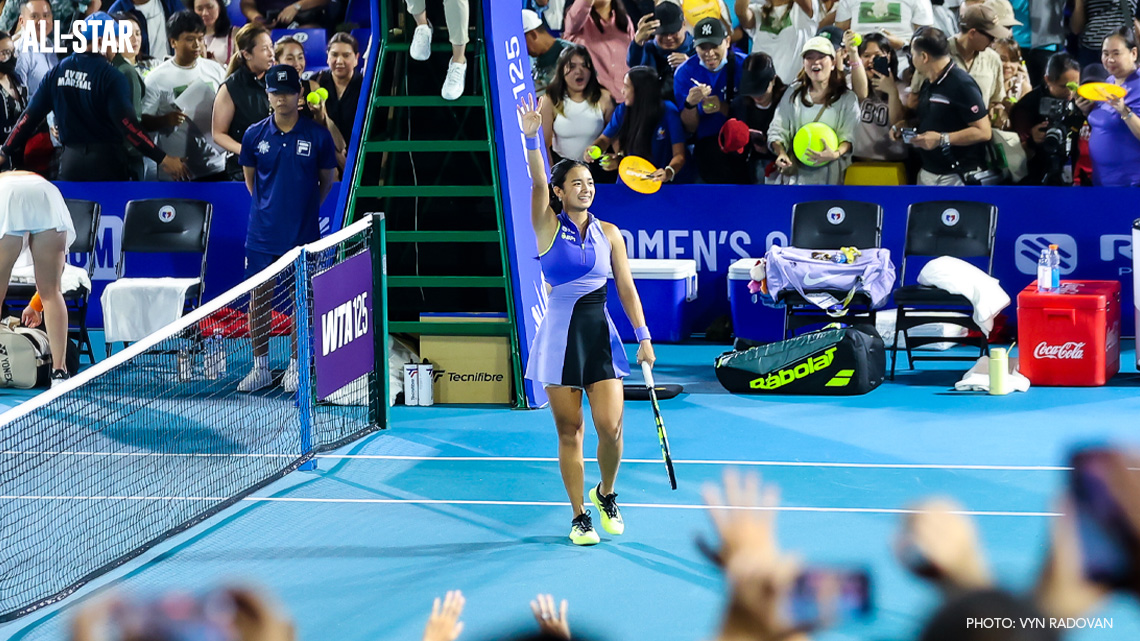
Playing in front of thousands is one thing. Playing at home is something else entirely. For the first time in her professional career, Alex Eala walked onto the court in the Philippines not as a junior, not as a prospect, but as a pro. You could tell right away how much that moment carried.
“I think it really holds a special place in my heart,” Alex said. “It’s my first ever professional match at home, and I was able to spend it around family and around supporters and surrounded with love. So it’s very special.”
This wasn’t just another stop on tour. This was familiar air, familiar voices, familiar faces in the stands. The kind of environment that doesn’t just cheer for your shots, it cheers for you.
When she talks about home, it doesn’t sound like a place. It sounds like people. The ones who knew her before the rankings, before the cameras, before the expectations.
“Of course, it’s very important. That’s what keeps me grounded and just makes me feel kind of at home. That’s really what at home means for me, is to be with family and spend the time with the people who love me and I know will be there through thick and thin,” Eala said.
But even home matches come with the realities of professional sport. At one point, she had to take a medical timeout. And like most athletes at this level, she didn’t dramatize it. She normalized it.
“I think pain, physical pain, is definitely a part of an athlete’s lifestyle. It’s a part of the job. So we have to find ways to best manage that and not let it affect us mentally. And I think I’m already used to my body.”
That’s the thing about being an athlete. What looks like struggle to the outside world is often just another workday to them.
Of course, playing at home adds something else entirely: pressure. More eyes. More expectations. More emotion tied to every point.
“Yeah, I would say there’s a bit of added pressure. But yeah, that’s the job. The job comes with pressure.”
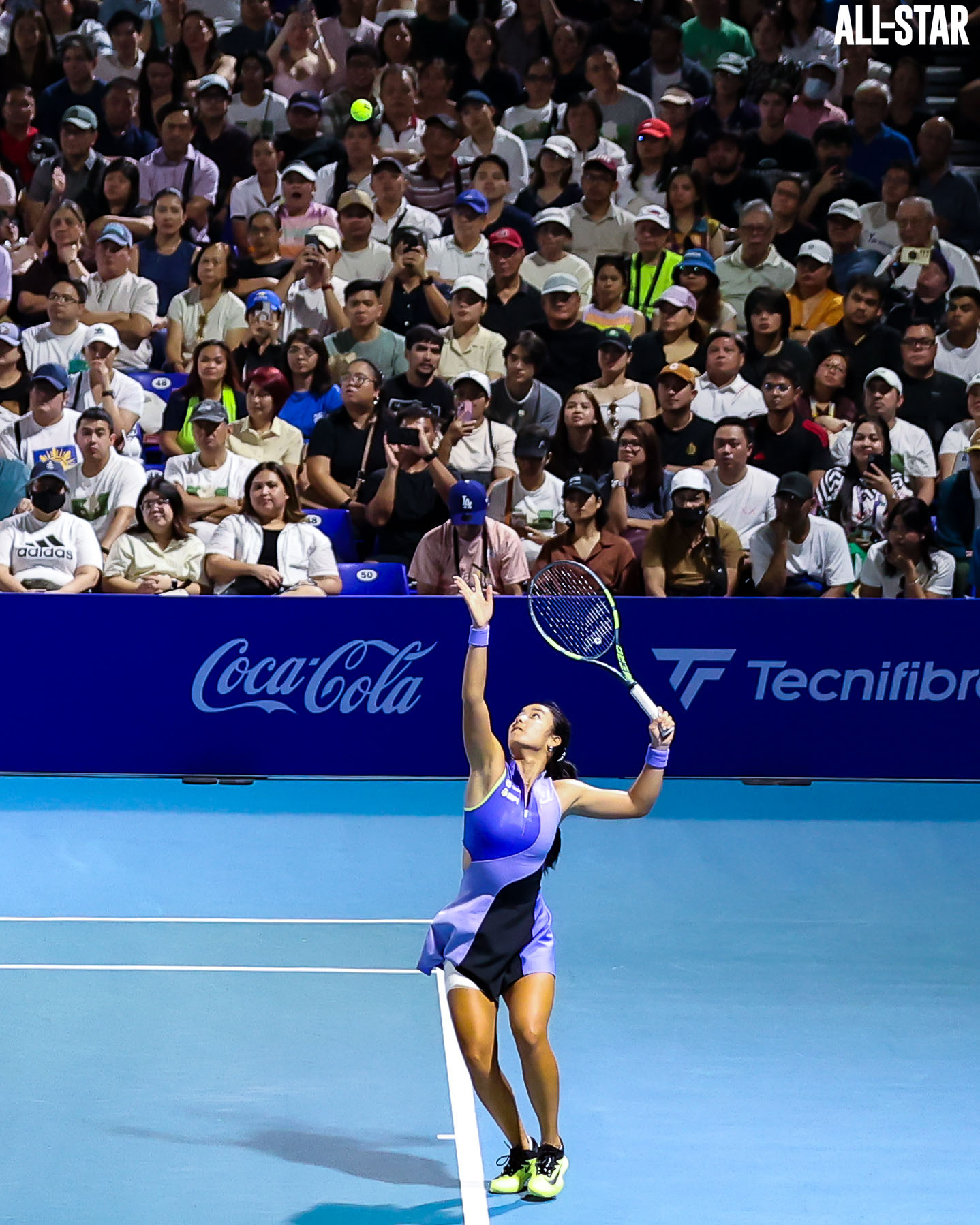
Alex quotes Billie Jean King like a mantra: Pressure is a privilege. And she’s learning how to carry it in her own way.
“I’m happy with how I performed today.”
What really stands out, though, is how aware Eala is of what she represents. Every match isn’t just about ranking points or results.
“I think I do my best because I know that, especially on international stages, I represent quite a big demographic. It’s such an honor to have this support and this community rally behind me.”
And when things get overwhelming—the cameras, the attention, the weight of expectation—she finds a way to ground herself.
“Sometimes when all this attention and pressure gets a bit overwhelming for me, that’s kind of what I repeat to myself. That’s what makes me feel small again and pulls me back to the ground.”
Alex thinks about the everyday person. About life outside the stadium.
“The everyday person—not only Filipinos, just everyone around the world—has their own struggles. In the end, it’s a privilege to be able to live out my dreams. I’m a professional tennis player. I’ve worked my whole life to be a professional tennis player. I’m at the top of the game. I have so much to feel lucky for, despite the challenges that come with my job.”
Coming back to Rizal made everything even more emotional. She had played there as a kid. She had won there with her brother. Walking back now felt like flipping through an old photo album—except the place had grown up with her.
“Yes, there definitely is a sense of familiarity, but it’s changed a lot since the last time I’ve been here. Credits to PHILTA and Tita Dyan for the amazing setup for the tournament. It wasn’t quite this grand when I last competed here, so I would say it’s familiar, but it’s upgraded.”
And the fans? Alex felt every bit of their energy.
“It’s so heartwarming, and it’s nice to see that people are really having fun. I think this is a great platform for tennis to grow in the Philippines. It’s a great platform for people to connect with the sport and really just genuinely enjoy and learn more.”
Off the court, she’s still figuring out how to exist as both an athlete and a public figure. There’s no perfect balance, just self-awareness.
“I know how I feel in certain moments. I know myself, and I know when it’s best for me to pull back and not be so active online, and I know when it benefits me to connect with my followers.”
In the end, this wasn’t just about tennis. It was about coming home. Playing through pain. Carrying pressure. And still finding gratitude in the middle of it all.
A pro on court.
A daughter, a sister, a role model off it.
And for the first time, she got to do all of that where her story first began.
For more tennis coverage, read Chin’s story on why bringing the WTA to Manila means more than just tennis.