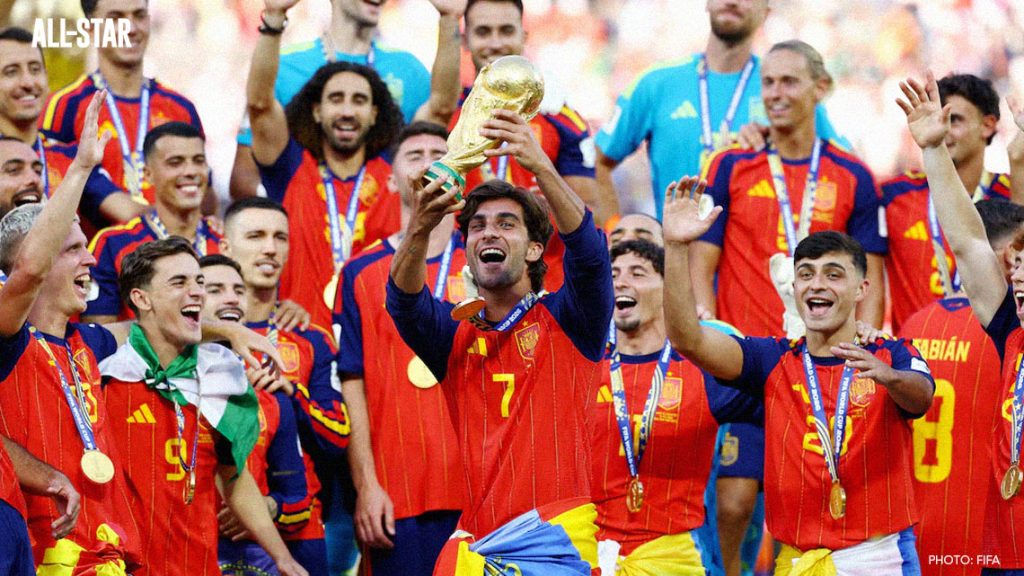
Spain Rule the World Again: La Roja Outclass Argentina to Win the 2026 FIFA World Cup
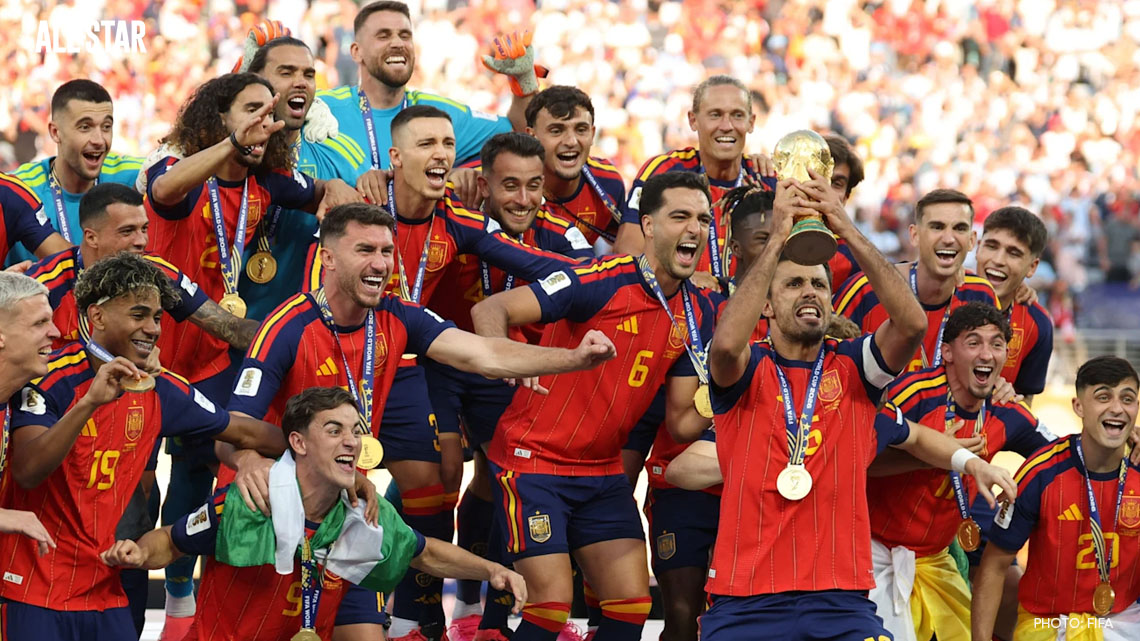
For the first time since 2010, Spain are world champions once again.
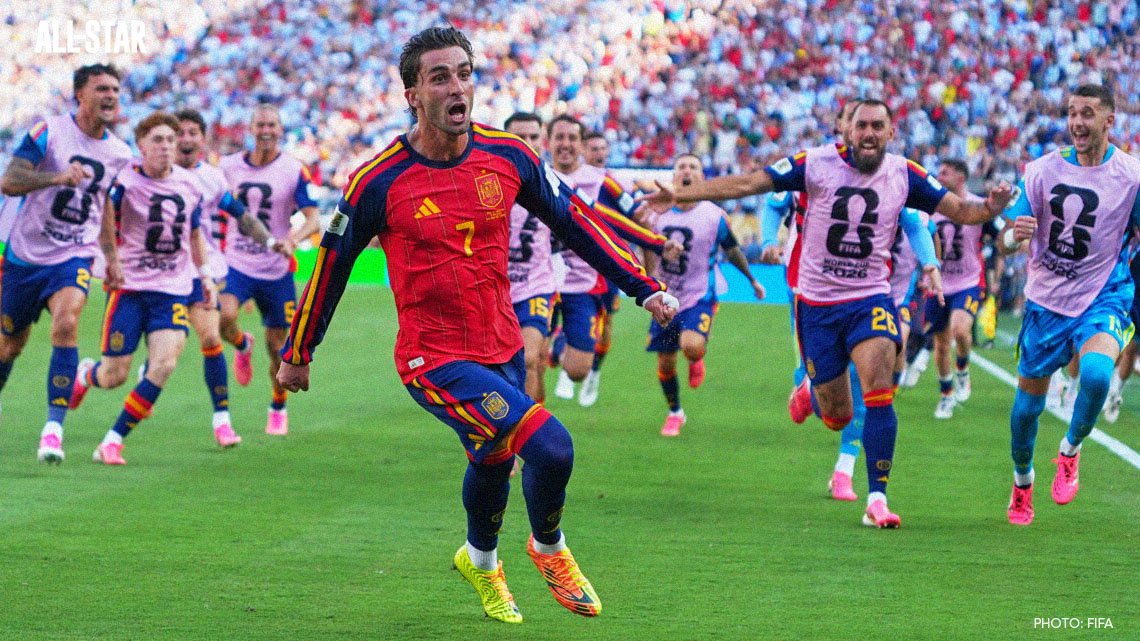
It wasn’t a dramatic comeback or a penalty shootout that decided the 2026 FIFA World Cup Final. Instead, Spain produced a tactical masterclass, defeating defending champions Argentina 1-0 in a performance showcasing why they were the tournament’s most complete team. Ferran Torres’ extra-time winner finally broke Argentina’s resistance after wave after wave of Spanish pressure, capping a night where La Roja were simply in control from start to finish.
While the scoreline remained close, the match itself told a completely different story.
Spain finished with 20 shots, 11 of them on target, while Argentina managed just three shots and failed to register a single effort on target. Luis de la Fuente’s side also dominated possession with 68% of the ball, another familiar sight after controlling matches throughout the tournament with their patient, midfield-driven style. Their passing triangles, quick switches of play, and relentless pressing gave Argentina very few moments to settle into the game.
From the opening whistle, it looked as if Spain had already figured Argentina out.
The defending champions struggled to build through midfield as Spain’s press immediately cut passing lanes toward Lionel Messi and Julián Álvarez. Rodri dictated the tempo, Pedri constantly found pockets of space, and Spain repeatedly forced Argentina deeper into their own half. Every time Argentina looked ready to launch a counterattack, Spain recovered possession almost instantly.
Despite the territorial dominance, Argentina goalkeeper Emiliano Martínez kept his team alive with a series of outstanding saves. Without him, the final could have been decided long before extra time.
The match also marked what is widely expected to be Lionel Messi’s final FIFA World Cup appearance.
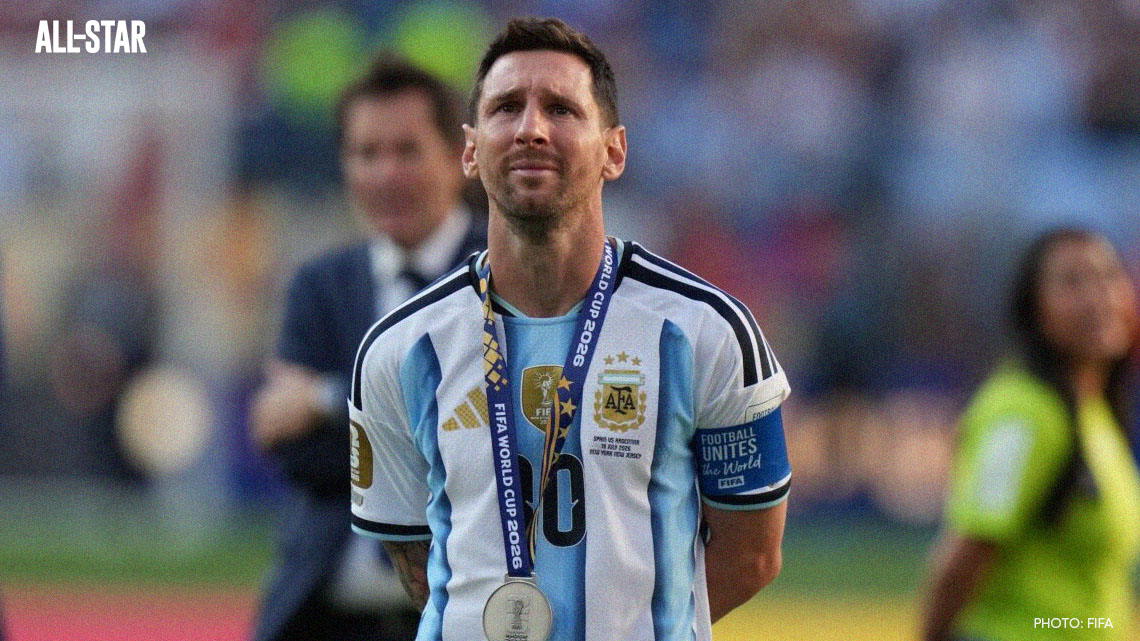
Spain largely succeeded in limiting the Argentine captain’s influence, denying him the space that had defined so many of Argentina’s magical moments throughout the tournament. Still, Messi remained true to himself until the very end. As the clock wound down, he continued dropping deep to collect the ball, looking to create something from nothing and urging his teammates forward one last time.
But this time, there would be no late miracle.
Argentina’s famous resilience, which had rescued them several times during the knockout stage, never arrived. They finished the biggest match in football without a shot on target, ending their title defense scoreless.
Spain’s winner eventually came in extra time when Ferran Torres finished from close range after another sustained spell of pressure. It was a goal that felt inevitable rather than surprising—a reward for a team that had spent nearly two hours dictating every aspect of the contest.
Torres later dedicated the victory to the millions celebrating back home, emphasizing that Spain’s triumph belonged to an entire nation.
“I think in the end the goal came from 47 million people, not just those of us that are here. Today destiny was written—it was made for us to win. We’re far from our people today, but we tried to be as close as possible to them.”
The victory crowns a remarkable generation led by Lamine Yamal, Pedri, Rodri, Nico Williams and a squad that never abandoned its identity. Throughout the World Cup, Spain trusted possession, trusted its midfield, and trusted its system. The final became the clearest example of that philosophy.
On the biggest stage in world football, Spain didn’t just win the World Cup.
They controlled it. They dictated it. And they left no doubt about who the best team in the tournament truly was.