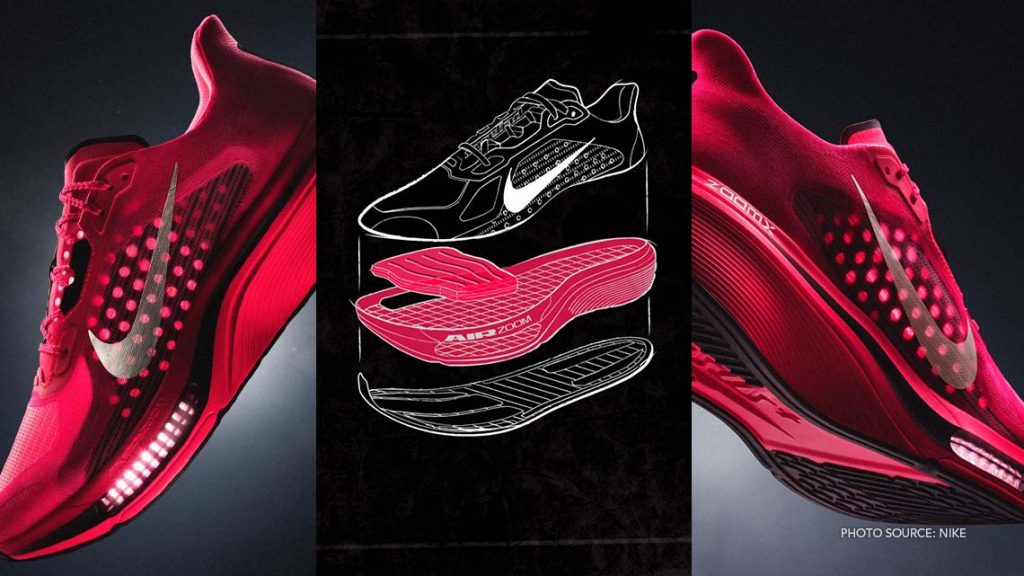
Nike Pegasus Plus 2 Brings Visible Air Zoom to Speed Run
Nike is making the engine of its latest running shoe impossible to miss.
The Nike Pegasus Plus 2 combines a sculpted ZoomX midsole with an exposed, curved Air Zoom unit in the forefoot. The result is a plate-free tempo trainer designed to help runners increase their pace without saving the shoe exclusively for race day.
Within Nike’s road-running lineup, the standard Pegasus remains the dependable daily trainer. The Plus 2 occupies the faster middle ground, while the Pegasus Premium serves as the franchise’s more elaborate, technology-heavy option.
That makes the Pegasus Plus 2 suitable for tempo workouts, faster daily miles, and long runs where efficiency matters. Nike wants it to deliver some of the propulsive sensation associated with modern racing shoes without placing a rigid plate underneath the foot.
This is more than a cosmetic sequel to the original Pegasus Plus.
The first model relied on a full-length ZoomX midsole and a flexible Flyknit upper. For the Plus 2, Nike has introduced engineered mesh, a more structured midfoot containment system and a new combination of ZoomX foam and visible Air Zoom cushioning.
Tensile fibers inside the Air unit compress as the runner lands before returning to their original position during toe-off. Nike claims the new system produces at least 18 percent more energy return than the first Pegasus Plus.
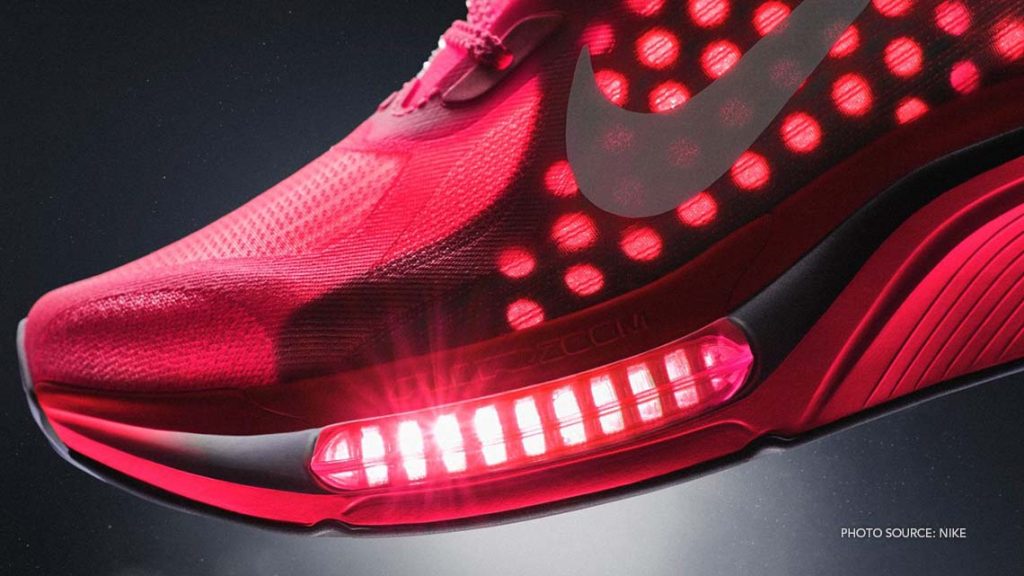
The company has also adjusted the Air unit according to shoe size. Its thickness and internal pressure vary across smaller, standard and larger pairs, with the goal of creating a consistent experience for different runners rather than giving every size exactly the same setup.
Fit receives an update through Nike’s MR10 2.0 last, which first appeared in the Pegasus 42. The revised shape provides more room around the forefoot and toes, while the visible midfoot band is designed to secure the foot when the pace increases.
Underneath, the modern waffle outsole uses strategically placed rubber, sharper traction edges and flex zones. The construction is meant to provide grip where runners need it while allowing the shoe to transition naturally through each stride.
The Pegasus Plus 2 has a 38-millimeter heel stack, a 28-millimeter forefoot and a 10-millimeter drop. Nike’s current listings place the men’s US size 10 at approximately 265 grams and the women’s US size 8 at 215 grams.
Interestingly, the listed men’s weight is around 20 grams heavier than the original Pegasus Plus in the same size. Nike appears to be trading a small amount of weight for greater structure, additional protection and a more powerful cushioning system. Whether the increase in energy return makes that trade worthwhile will become clearer once runners put meaningful mileage into the shoe.
Nike says more than 30 elite athletes helped test the Plus 2 alongside the Nike Sport Research Lab. Australian middle-distance runner Cameron Myers described the experience in three words: “Easy, fast, [and] smooth.”
The launch colorway arrives in Flash Crimson with black detailing and a metallic Swoosh. Its bright ZoomX midsole and exposed Air unit dominate the design, giving the shoe the appearance of a performance machine with its engine placed on display.
The Nike Pegasus Plus 2 will be available in the Philippines beginning October 1 through Nike and selected retailers. Philippine pricing has not been announced, although the shoe will retail for $170 in the United States.
If Nike’s performance claims translate to the road, the Pegasus Plus 2 could appeal to runners who want the energy of a modern racing shoe in a more approachable, plate-free package.