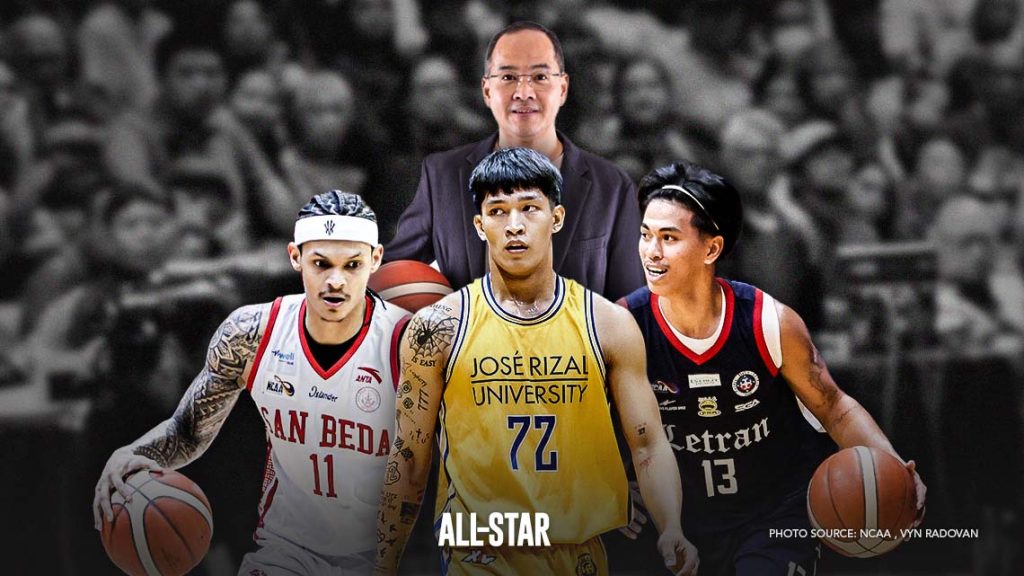
NCAA Commissioner on FSAs, Player Transfers, San Beda/UAAP
NCAA basketball commissioner Rico Quicho would like to see foreign student-athletes in collegiate leagues. He also believes players should have the freedom to transfer when it serves their education and development.
For the second-year NCAA leader, those positions reflect a broader priority: keeping student-athletes at the center of discussions about the game’s future, even when the decisions fall beyond his authority.
In an exclusive Q&A with, the lawyer and educator discussed his plans for NCAA Season 102, including a dedicated pool of referees, clearer rules, and stronger safeguards against violence.
Quicho also addressed the NCAA’s relationship with the UAAP, San Beda’s importance to the league, and the controversial suspension of Janti Miller during last season’s finals.
This interview has been edited and condensed for length and clarity. Related exchanges have been combined.
Naveen: What changes should fans expect in Season 102?
Rico Quicho: We would already be implementing the 2026 FIBA rules. All our referees have already been trained to use them.
The members of the Policy Board and Management Committee signed an agreement making sure that the FIBA rules will be implemented, that the commissioner would be in charge of basketball operations, and that appeals would be limited to the grounds stated in the FIBA rules.
The NCAA house rules have been approved and circulated to all participating teams and coaches. We also codified the rules pertaining to the responsibilities of coaches and players. Everyone should now be on the same page.
Editor’s note: FIBA’s 2026 rules take effect worldwide on October 1. Quicho said the NCAA would implement them ahead of that date.
Naveen: Why establish a dedicated NCAA referee pool?
Quicho: We have 60 referees. One innovation is that I have removed the classification. Before, we had international referees and national referees. Now, they would all be NCAA referees: same benefits, same responsibilities, same expectations.
I want my referees to have the same objectives, and for those objectives to be clear. I want them to be united and to build that culture of excellence.
We’ve done a lot of training prior to the opening of the season. We also had a talk about mental health, mental preparedness, and sports psychology.
We plan to bring in at least two FIBA international referees for our semifinals. Last year, we had one. We want to build on it.
Naveen: Personally, would you like to see foreign student-athletes in the NCAA?
Quicho: Of course. I would like to see FSAs in collegiate leagues. But the decision is not in my hands.
As commissioner, we have to focus on basketball operations. Whether FSAs should be allowed again in the league is beyond and above what I’m doing right now.
I’m sure the NCAA has heard the pros and cons. I think the objective [of the current policy] is geared toward giving local student-athletes a fair chance to exhibit their talents.
Naveen: What do you make of the argument that an FSA takes a local player’s spot?
Quicho: I always believe in meritocracy. It’s not really about whether you’re an FSA or a homegrown talent. It’s about performance, about merits, about being the best talent there is.
As a dean, I would always say that inclusivity is the direction moving forward. We have to be inclusive.
Parity is very important because we’ve seen it: one player, regardless of being an FSA or a homegrown talent, could change the complexion or competitiveness of a team.
Naveen: Is greater player movement between schools good for college basketball, or should there be more control?
Quicho: We really need to cater to the rights and interests of student-athletes. There must be openness to that.
I’m not a fan of regulation. Self-policing would still be a good approach because, at the end of the day, we’re dealing with student-athletes. Some are still minors. Guidance from parents and guardians would always be needed.
If the player’s motivation to transfer is to better his career as a student and as a student-athlete, then you have to respect his choice.
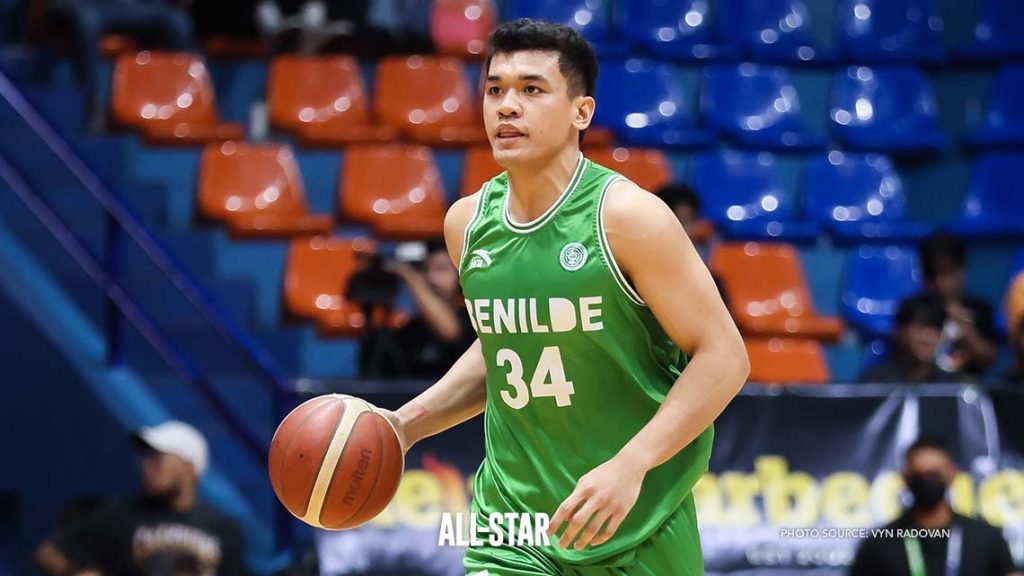
Naveen: How do you view the perception that the NCAA is behind the UAAP?
Quicho: We cater to different audiences, but we’re part of one basketball community. I don’t think we should be competitors. We should be running side by side.
We should harness the strengths of both leagues and learn from our weaknesses. Together, we could have strong collegiate basketball leagues that produce student-athletes who could be role models and leaders of the country.
There’s a life beyond basketball. As commissioner, I think the NCAA and UAAP should have the same thrust.
While Quicho emphasized cooperation between the leagues, he offered a playful response when asked whether the NCAA was afraid of competing with the UAAP: “It might be the other way around now.” Asked to elaborate, he pointed to his first season as commissioner.
Naveen: Do you think the UAAP should have reason to be scared of the NCAA?
Quicho: Well, if Season 101 would be an indicator, they said that NCAA games are rough, but last season, we had zero major injuries. We ran the tournament smoothly. For the first time in the history of collegiate basketball, we had a foreign FIBA international referee officiating our semifinal and final games.
If you would like to benchmark Season 101, then I think we’re not afraid of the competition, and we might be ahead of it.
Naveen: Do you think you’re ahead right now, or do you still have a way to go?
Quicho: It’s always constant improvement. That’s how I see it. I could look back, improve on the games, and keep building that momentum.
I don’t really see the UAAP as competition because we should be part of the same basketball community. We should harness the strengths of both leagues and learn from our weaknesses.
Naveen: I understand San Beda explored a move to the UAAP this past offseason. Do you think that could leave a lasting impact on its relationship with the NCAA and the other member schools?
Quicho: I think San Beda being the host of Season 102 is a strong testament to its commitment to the NCAA, and I would leave it at that.
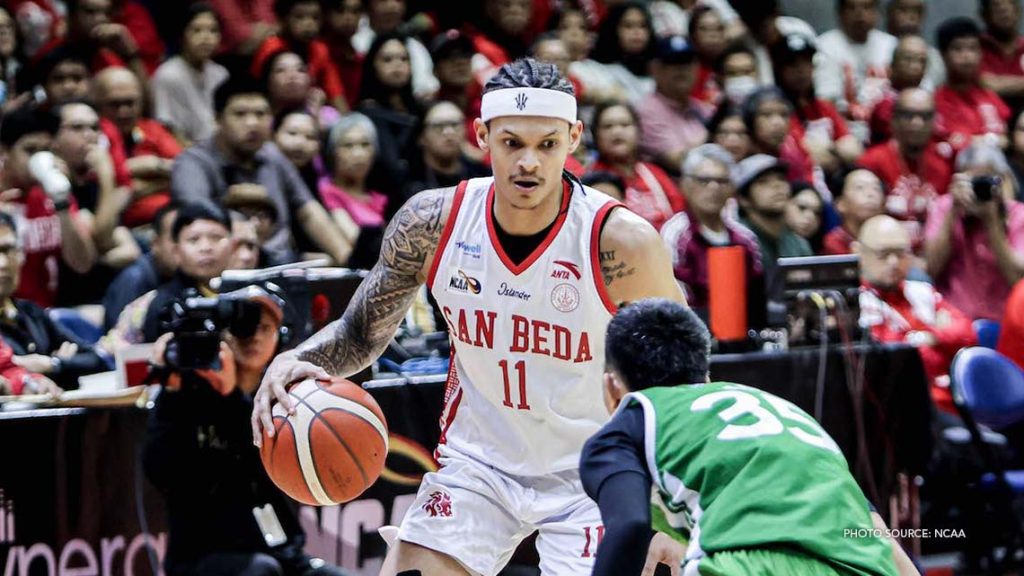
Naveen: Hypothetically, could the NCAA survive and thrive if San Beda left? Would you prefer that it stayed?
Quicho: Definitely [the NCAA could thrive]. The focus should always be on our student-athletes and coaches, not the institutions. As commissioner, I’m here for their order and safety, together with our referees.
[Would I want San Beda to stay?] Definitely. San Beda is one of the strong pillars of the NCAA.
San Beda being the host of Season 102 is a strong testament to its commitment to the NCAA, and I would leave it at that.
Naveen: What is your response to criticism of Janti Miller’s suspension during last season’s finals?
Quicho: As commissioner, I had to apply the NCAA 2025 house rules: two technical fouls, out of the game, automatic suspension. I would apply that without fear or favor. I applied it.
Naveen: How can the NCAA reach more fans amid competition for their attention?
Quicho: We’re excited because we have a new media and broadcast partner with Cignal. We feel we’re on the right trajectory.
What’s very important is accessibility to all our games. Regardless of whether we play on a Monday, Tuesday, Thursday, or Friday, it’s about access.
They will be bringing in top-notch analysts and commentators. The production will also improve. Hopefully, this will entice our fans and basketball fans in general to keep supporting the NCAA.
Naveen: What do you want to change about the NCAA’s reputation for rough play?
Quicho: When I entered Season 101, we “FIBA-lized” the basketball tournaments. I intend to improve and do the same in Season 102.
I have two major objectives: order and safety—for players, coaches, referees, and now including fans and spectators.
I told the coaches during our meeting: zero tolerance for hooliganism, zero tolerance for violence. Order and safety are my primary objectives for this season.