Angeline Alcala Left the Tennis Court. She Came Back More Herself
Most athletes don’t end up with the sport they loved and it isn’t always about what you planned on doing.
Sometimes, it starts as something simple — something casual, something shared with family. No pressure, no expectations. Just play.
For Angeline Alcala, tennis began exactly like that.
“Nag-start ako mag-play ng tennis when I was around 5 years old… pero nung time na yun, hindi naman talaga namin pinlano,” she said.
“Parang nag-start kami as like a hobby… more of like a family bonding.”
There were no big dreams yet. No rankings to chase. Just time on the court with her siblings. But somewhere along the way, that changed.
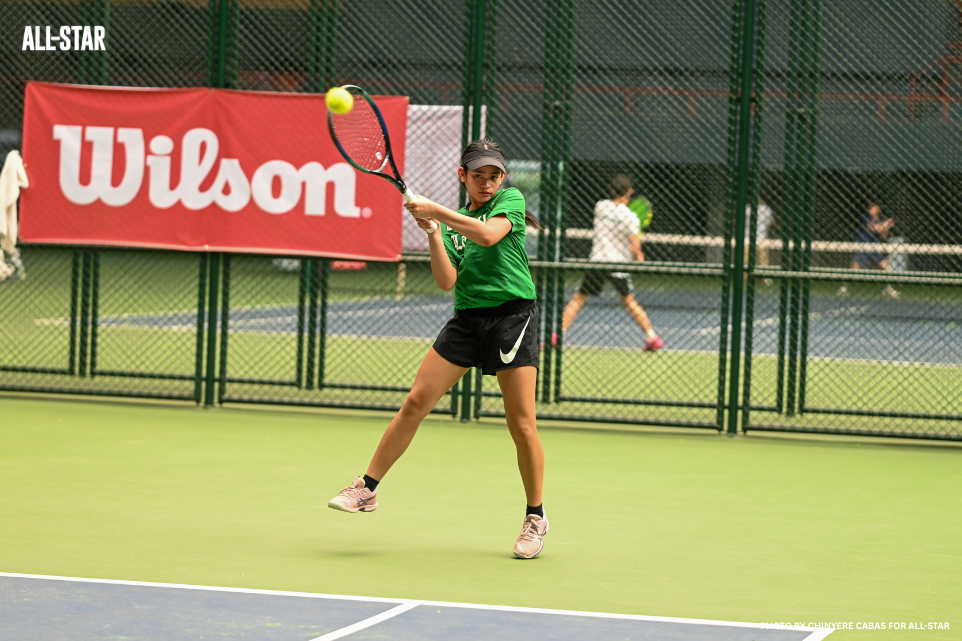
‘May Potential Pala Ako Sa Tennis.’
It didn’t happen overnight, it wasn’t a single moment, but a slow realization that came with unexpected wins.
“Sinabi lang sa amin na isali kami sa tournaments. Tapos parang hanggang sa nakakapanalo kami, hindi namin na-expect na yung mga big tournaments, naipanalo na namin.”
That’s when it started to feel real.
“Dun ko na-realize na, ah, kaya ko pala… may potential pala ako sa tennis.”
From there, everything became more intentional. Training became structured. Goals started to form.
But in the beginning, competition didn’t feel heavy at all.
“Nung first tournament ko… parang laro-laro lang. Walang pressure.”
That’s the thing about starting young — you don’t always feel the weight of expectations right away. The pressure comes later.
For Alcala, it started during her teenage years.
“Nung nag-teenage na ako, dun ko naramdaman yung pressure.”
And it wasn’t just about winning anymore. It was about maintaining everything she had already built.
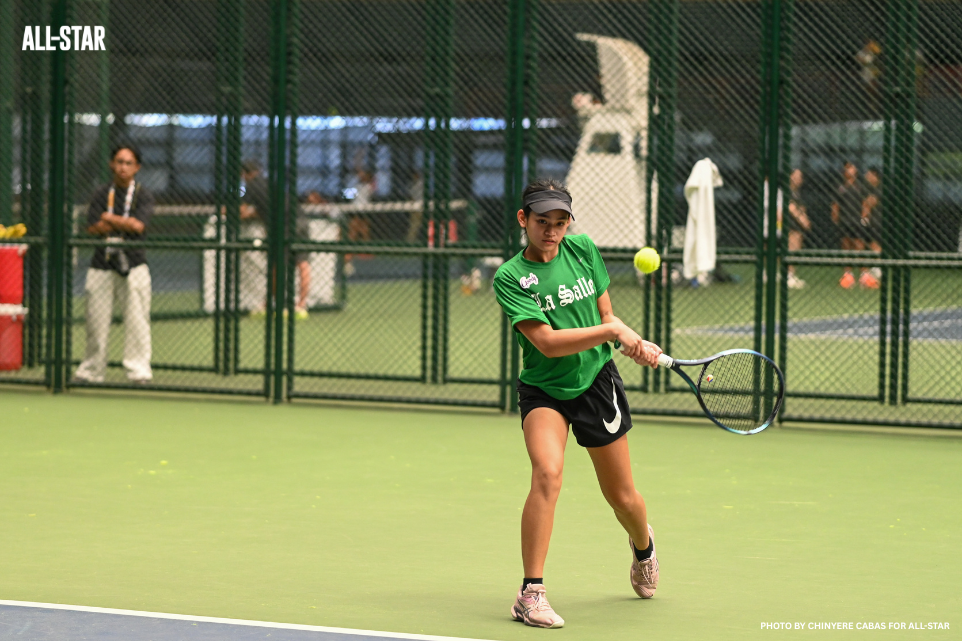
Something Just As Important as Hard Work
“Kailangan ko ma-maintain yung napaghirapan ko nung bata pa lang ako. Kailangan kong ma-attain at ma-maintain yung meron ako noon.”
Now ranked among the top players in the country, consistency became the most important thing.
For her, that meant showing up every day — even when it wasn’t easy.
“Tuloy-tuloy lang sa training,” she said. “Kahit during pandemic… kahit less yung resources, ginawan namin ng paraan para tuloy-tuloy yung training.”
But she also learned something just as important as hard work.
“Na-realize ko din na kailangan mag-rest. Parang balance lang ng training at saka ng rest.”
Because even for someone at the top, burnout is real. Angeline experienced it firsthand.
“Last year, tumigil ako mag-tennis, mga 4 to 5 months, hindi ako humahawak ng raketa.”
Stepping Away and Finding Herself
For someone who had spent most of her life on the court, stepping away wasn’t easy. But it was necessary.
And when she came back, something felt different.
“Mas na-feel ko yung sarili ko, yung mas ako.”
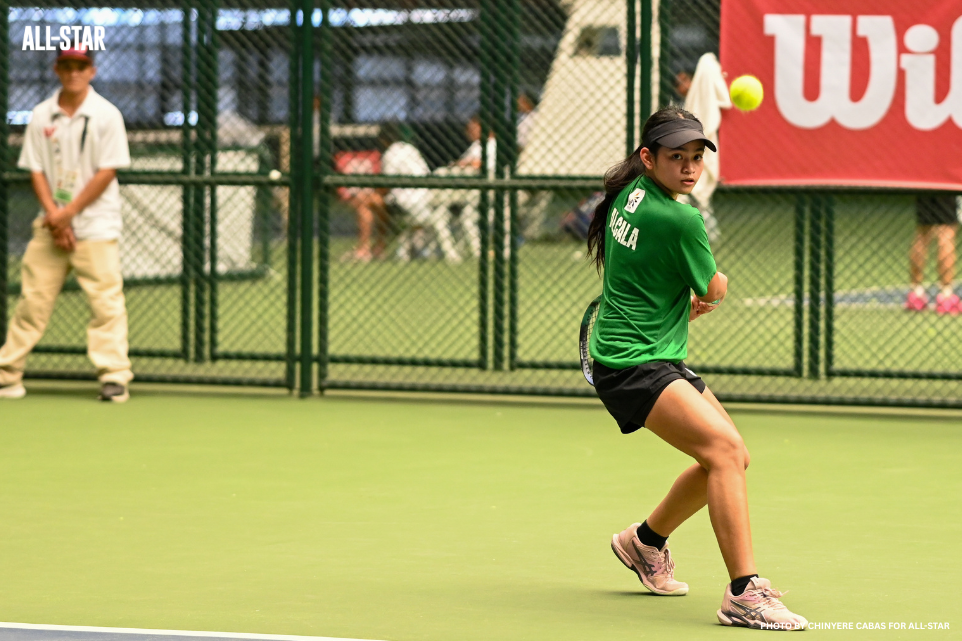
That reset helped her rediscover not just her game, but her mindset. And it showed.
Even in tough matches — the kind that could easily frustrate any athlete — she found a way to stay grounded.
“As long as alam ko sa sarili ko na ginawa ko yung best ko, okay na ako dun,”
Losses didn’t define her. They became part of the process.
“Even if may talo ako, okay lang kasi nagawa ko naman lahat,”
What makes her stand out isn’t just her skill — it’s how she handles everything that comes with competition.
“Kapag may negative thoughts, kina-cut off ko kagad siya. Tapos ina-translate ko siya into a positive mindset.”
That mindset was tested in one of her toughest matches — a grueling four-hour game against Maria Divinagracia of UP, where fatigue started to take over.
“Nagka-cramps na din ako nung time na yun,”
But instead of focusing on the pain, she shifted her attention somewhere else.
“Mas tinitingnan ko yung teammates ko, tsaka yung coaches ko. Sa kanila ako humuhugot ng lakas.”
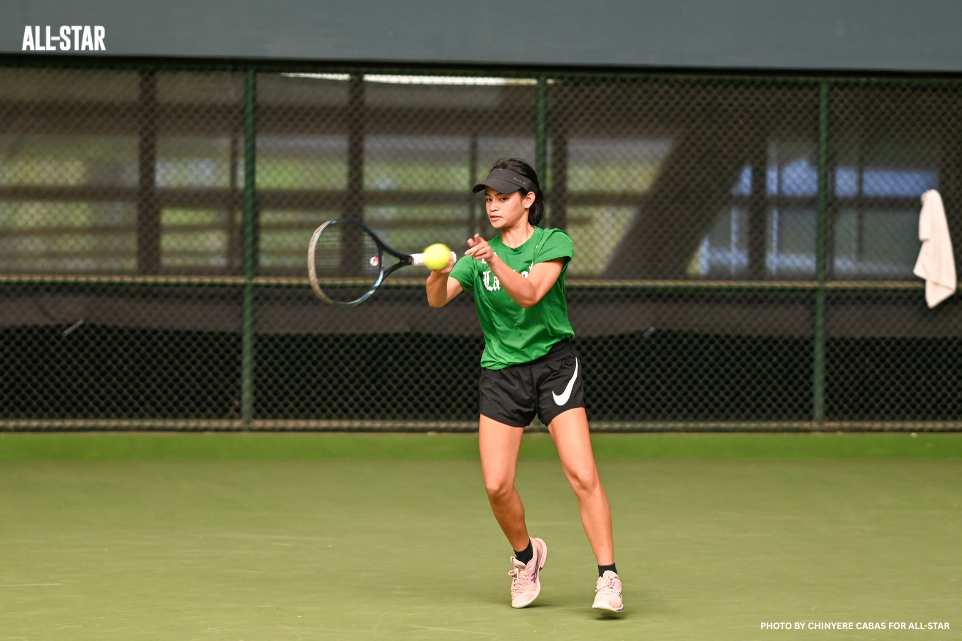
Every Match is Bigger Than Herself
For her, every match is bigger than just herself.
“Hindi lang to para sa sarili ko, kundi para din sa team, sa teammates ko, sa coaches ko.”
That connection shows even beyond the court. The support system around her — teammates who stay, watch, and cheer — plays a huge role in her performance.
“I’m really thankful sa kung paano sila mag-support sakin,”
Even in training, she continues to push herself by going up against some of the best — including top-ranked players like AJ Lim.
“Kapag si Kuya AJ yung ka-training ko, kailangan focus ka talaga sa bola. Kasi sobrang bilis ng bola.”
Beyond the technical advantage, those sessions gave her something more.
“Grabe yung encouragement na binibigay niya sa akin. Lalo na kapag nade-down ako.”
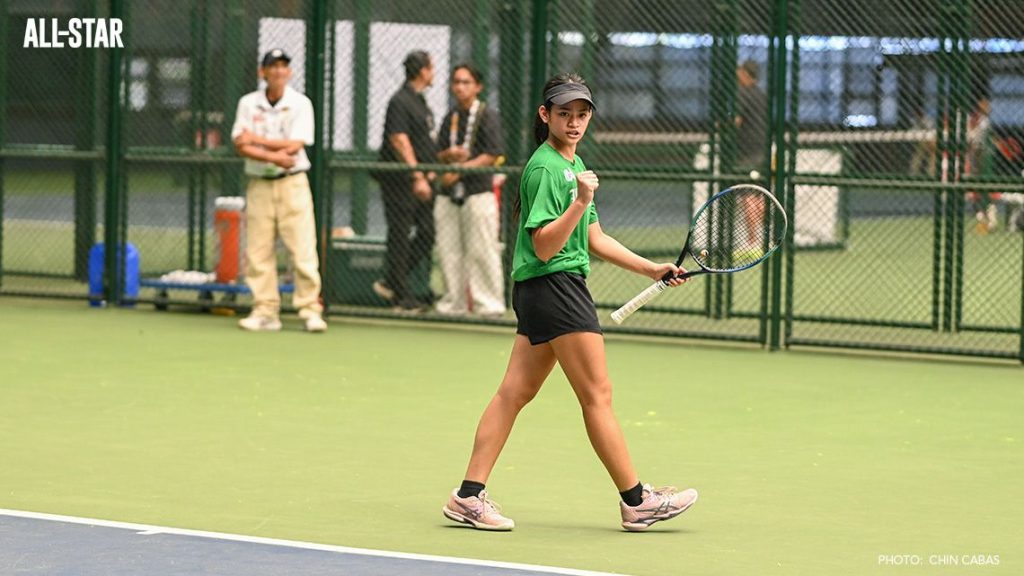
Now, as she prepares for her next competition, the approach is simple — but intentional. After a long season, she made sure to step back first.
“Pinahinga ko muna yung katawan ko… lalo na yung mind ko,”
Then, slowly, she returned to training — carrying the same mindset she had built over time.
“Kung ano yung inilaro ko sa UAAP, yun din yung attitude na dadalhin ko,”
Looking at her journey now — from a five-year-old playing for fun, to becoming one of the country’s top tennis players — it’s easy to focus on the results.
But what stands out more is how she got there. Not through pressure from the start. Not through perfect wins.
But through balance, consistency, and learning how to come back — even after stepping away.
And maybe that’s what makes her story relatable. Because sometimes, the strongest athletes aren’t the ones who never struggle.
They’re the ones who learn how to return — better, clearer, and more themselves than before.
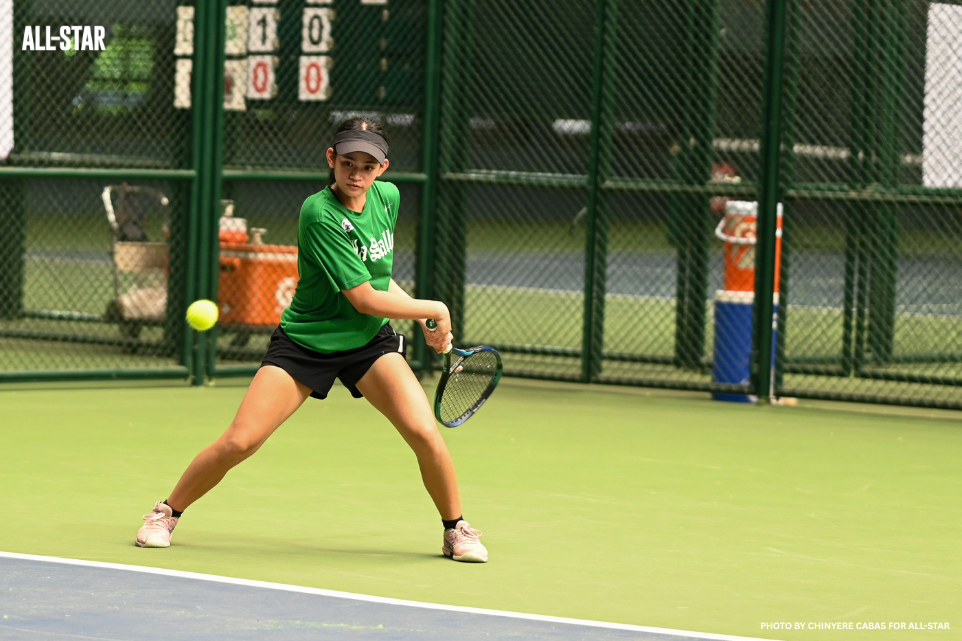
For more exclusive stories, click here.