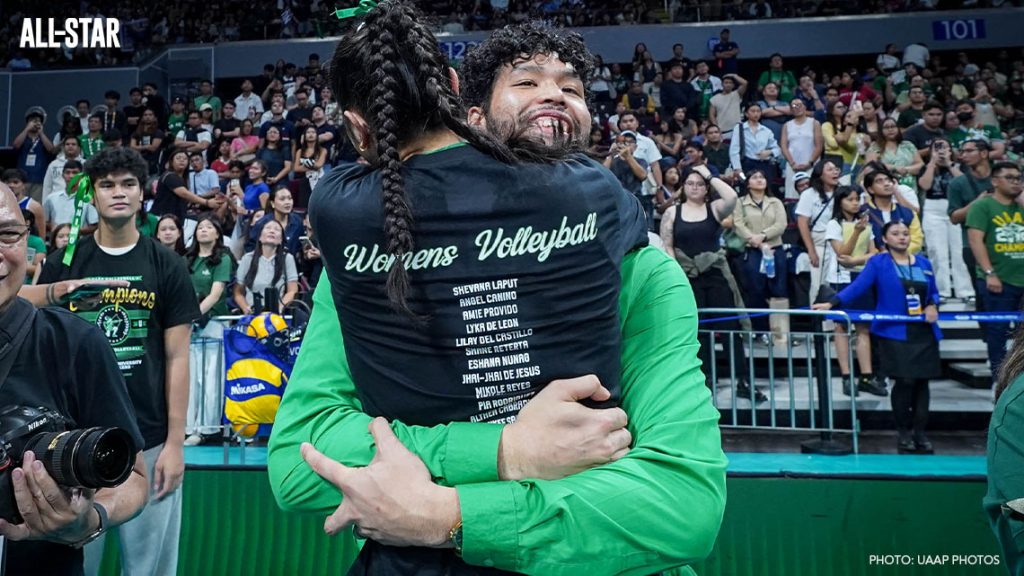
James Laput Reflects on Shevana’s Rise From Australia to DLSU Champion
Before the championships, before the packed arenas, before she became one of the faces of the DLSU Lady Spikers, Shevana Laput was just a little girl in Australia doing cartwheels everywhere she possibly could.
Literally everywhere.
According to her older brother, James Laput, Shevana’s athleticism showed up naturally long before volleyball ever entered the picture. Growing up, both siblings first started in Taekwondo at a school in Australia called Re-Taekwondo. James was already ahead in the sport when Shevana eventually followed him into training at around six or seven years old.
But even before formal training, James already noticed something different about his younger sister.
A Natural Athlete From the Start
“She was a natural,” he recalled. “By the time she was four or five years old and knew how to do cartwheels, she was pretty much doing cartwheels everywhere. In the mall, in the backyard, the front yard, in the kitchen, in the living room.”
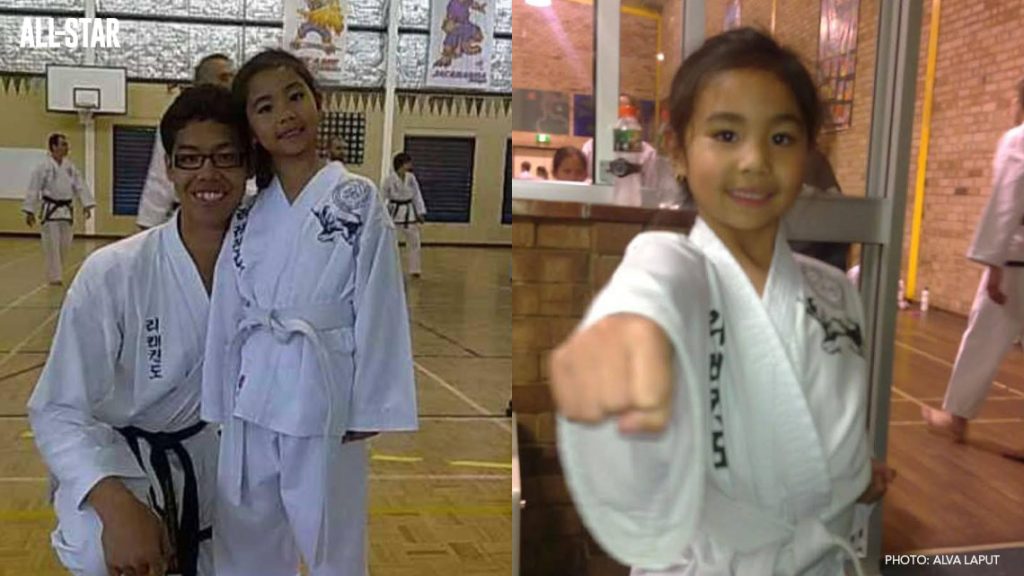
To him, it was obvious early on that Shevana carried a kind of natural athletic energy that couldn’t really be taught.
“She was naturally athletic, naturally springy, naturally energetic,” James said.
That athleticism translated quickly once she entered Taekwondo too. According to James, she climbed through the ranks almost immediately and was already close to earning her black belt while still very young.
But eventually, their journeys began to separate.
When James left for the United States to pursue college basketball, Shevana slowly stopped doing Taekwondo, too. And the reason, according to him, had very little to do with the sport itself.
“She didn’t want to do it anymore because her kuya wasn’t doing Taekwondo. She would cry a lot. She would get sad. The whole big reason she would do Taekwondo was just to have more time with her kuya.”
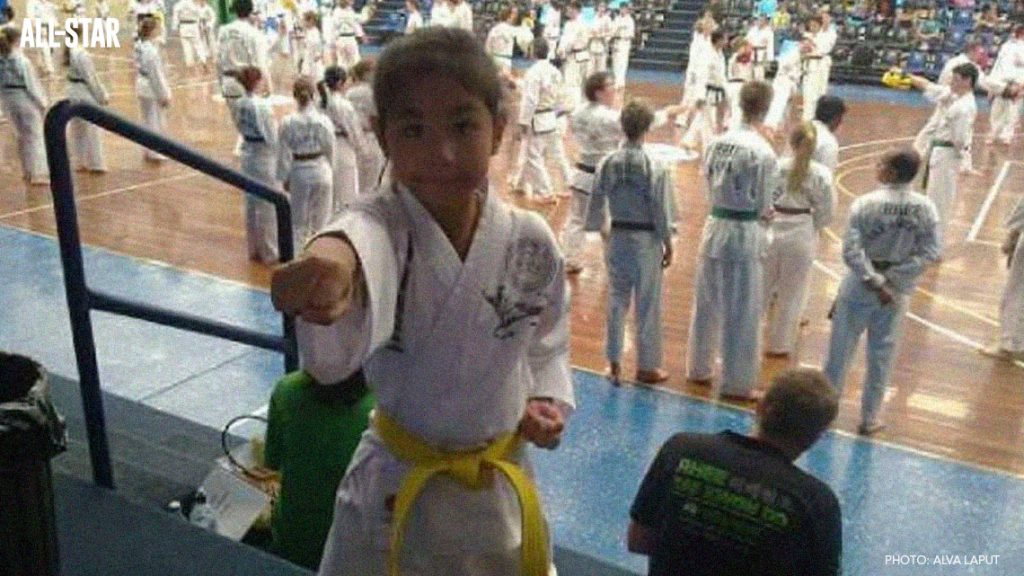
That’s when track and field entered her life instead.
And just like Taekwondo, she adjusted almost immediately.
“When she jumped into track and field, same thing. She hit the ground running, literally,” James said.
He even believes that if she stayed in the sport long enough, she could’ve represented Australia internationally one day.
“I think if she kept doing it, she could have easily represented Australia in the Olympics at some point.”
At that point, volleyball still wasn’t part of the plan.
The Day Volleyball Found Her
That changed during a visit to the Philippines while James was already doing his one-and-done stint with La Salle basketball. One ordinary practice day at the old Razon gym eventually became the beginning of Shevana’s entire volleyball journey.
James still remembers exactly how it happened.
The Lady Spikers coaching staff happened to be waiting nearby while the men’s basketball team trained. Then Shevana walked into the gym with their family.
At around 15 or 16 years old, she was already unusually tall for her age.
“She was already five-eight, five-nine. A ridiculous height,” James laughed.
And almost immediately, the coaches noticed.
“You could just see Coach Ramil and Coach Noel’s heads watching her all the way through the gym like a tennis match. Their eyes were fixated on her.”
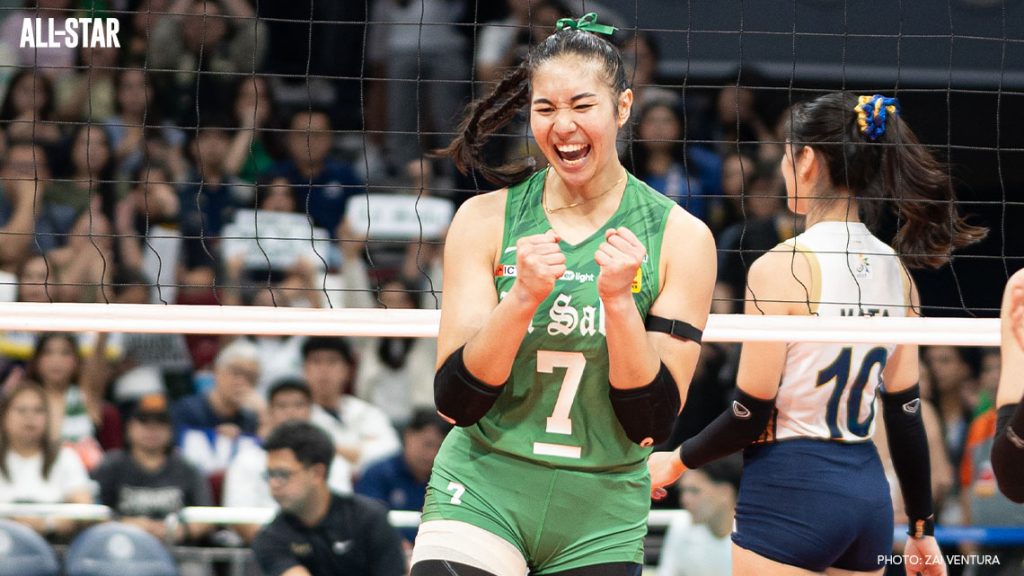
At the time, Shevana had never seriously played volleyball before.
But that single interaction eventually opened the door to La Salle.
“That was her first contact with Coach Ramil,” James said. “That’s when it all began.”
Eventually, the Lady Spikers invited Shevana back for a training camp, where she stayed with the team and experienced what life inside the program would actually feel like. According to James, the decision to have her stay in the dorm instead of comfortably living with him at his condo was intentional. They wanted her to fully experience the reality of being a La Salle athlete before fully committing.
At the time, though, James admits he struggled with the decision emotionally as an older brother.
“To this day, I still kick myself in the butt,” he admitted. “I feel like I should have been more there for my sister at the time because she was only like sixteen.”
Now older and now a father himself, he looks back at that period differently.
“I feel like I kind of just threw her into the fire,” he said.
And honestly, for Shevana, those first few weeks in Manila were overwhelming.
Learning to Survive Away From Home
Fans often simplify athletic journeys by focusing only on talent. But James emphasized that natural athleticism doesn’t automatically erase culture shock, homesickness, or emotional exhaustion.
“She wasn’t just learning volleyball. She was learning what life was like.”
The adjustment wasn’t only physical. Everything around her suddenly became unfamiliar: the weather, the food, the environment, the language, the traffic, the pressure.
“It’s hard in general, even if you’re not an athlete,” James said.
“Different food, different culture, different language, different weather.”
And despite now becoming one of La Salle’s most recognizable players, there were many moments during those early weeks where Shevana genuinely wanted to quit.

“After the first day, she wanted to go home. Second day, third day, every day. Every day is a battle.”
According to him, those emotional battles never really disappear for athletes either.
“As an athlete, you’re always dealing with these quiet battles that people don’t know.”
And for a teenager suddenly adjusting to life far away from home, those battles became even heavier.
“She broke down a lot. She cried a lot,” he shared. “That girl is tough. She’s really tough.”
Years later, all those difficult moments eventually led to the biggest one of her collegiate career: winning the championship with the Lady Spikers as team captain.
And according to James, what people saw after the final point wasn’t just a celebration.
It was relief. Peace.
The Peace That Came With a Championship
There was a moment when Shevana leaned her head against his chest after the championship. James described it as the release of years of emotional weight that very few people fully understood.
“Finally,” he recalled her saying softly.
To him, it felt like watching somebody finally escape years of pressure, expectations, loneliness, and quiet suffering. Their granddad passed away just before the season, and for people who lost someone close to them, we all know how tough that battle of grief is.
“She had been suffering so much. She had been going through so much that people do not know about,” James said.
While fans often see volleyball as entertainment, James understands how emotionally taxing the sport can be at the highest collegiate level, especially for someone carrying leadership responsibilities within a championship program.
“She was the captain, and till this day she still doesn’t get the credit for being the captain,” he said.
That’s why, in that moment after the title, he didn’t just see a volleyball player celebrating a win.
He saw his younger sister finally finding peace after years of carrying pressure that most people never noticed.
“She was finally at peace. There was no more suffering. She fulfilled that promise. She made true her word.”
And standing there beside him after the championship, with her head resting against his chest, James realized the journey that started with a little girl doing cartwheels in Australia had finally come full circle.
“She made history in that moment,” he said. “And it was done.”
For more exclusive volleyball stories, click here.