UFC 324: Hit, Miss, or Something In Between?
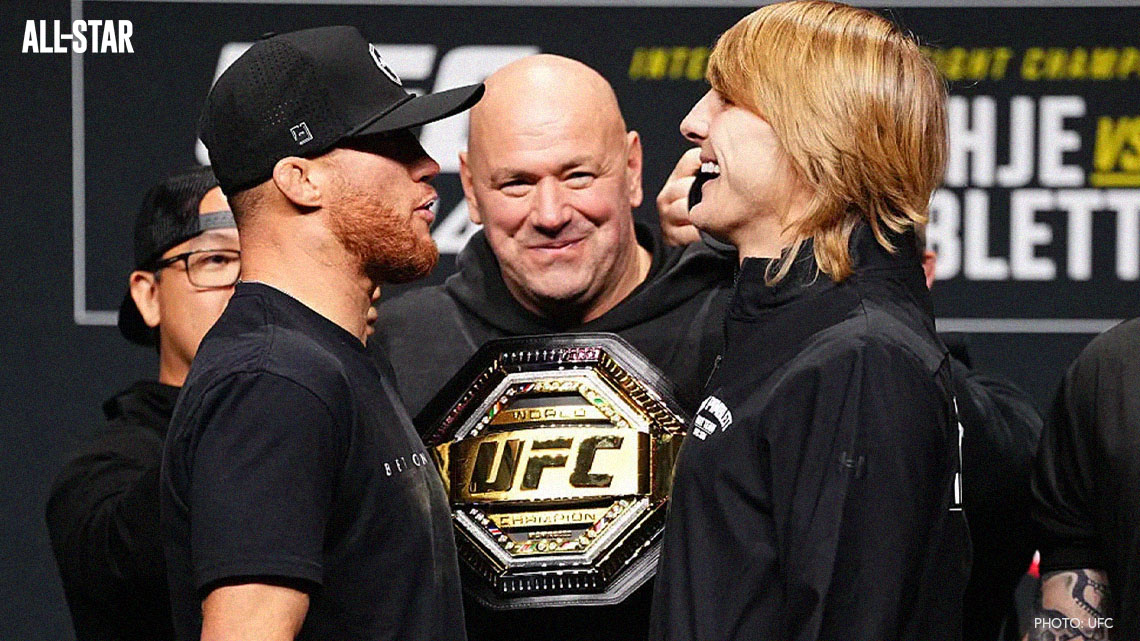
The UFC sought to kickstart 2026 on a high note by booking an absolute banger of a matchup between Paddy Pimblett and Justin Gaethje over the UFC interim lightweight championship as the headliner of UFC 324 on January 24 (January 25 in the Philippines).
Their five-round battle lived up to the pre-fight hype and then some. But more than a week later, fans are still divided on how best to describe the event.
Gaethje, Pimblett Carried An “Okay” Main Card
Justin Gaethje and Paddy Pimblett beating the absolute breaks off of each other over the interim lightweight crown was as fan-friendly a fight as it could get. As in, if a hardcore MMA fan wanted to bring a new fan into the sport, this belongs on that list.
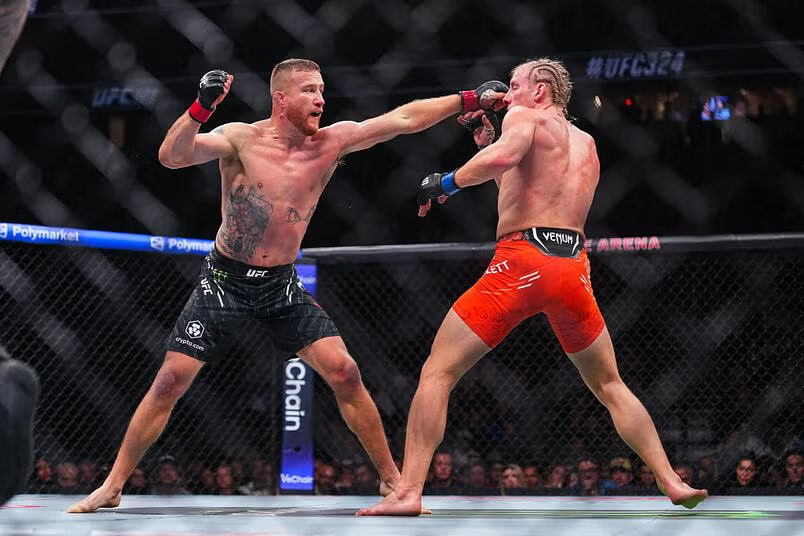
“The Highlight” handily won the first two rounds, but their frenetic pace eventually took its toll on the 37-year-old Gaethje, which opened the door for Pimblett to go on a run and soundly take round three.
Gaethje roared back in the fourth to take full control of the fight and nearly finish the Englishman midway through courtesy of a wild combination. Pimblett barely held on to reach the final round, where the visibly gassed stars emptied their tanks in the hopes of a climactic finish.
Judges unanimously awarded the interim gold to Gaethje and deservedly so, as he turned back the clock in a classic performance to the tune of 144 significant strikes. Meanwhile, Pimblett lived up to his promise of not getting knocked out.
However, the bouts leading up to the main event were just “okay” for the most part.
Sean O’Malley outclassed Song Yadong in an alright bout that took some time to heat up, but was still deserving of being bumped up to co-main event status.
Waldo Cortes-Acosta fighting Derrick Lewis was expected to be an absolute barnburner. Instead, “The Black Beast” barely got tagged with a jab in round two and fell to the canvas like a sack of potatoes, where a bewildered Cortes-Acosta went for the most gentle mount fans have seen and claimed the lone TKO victory of the main card.
Brazilian standouts Jean Silva and Natalia Silva (no relation to each other, shockingly) opened the main card with unanimous decision wins over Arnold Allen and Rose Namajunas, respectively. The latter is supposedly next in line for a shot at Valentina Shevchenko’s UFC women’s flyweight gold, so kudos to her.
As for the prelims, fans who tuned in early were treated to four finishes out of the six scheduled fights, which no doubt brought their expectations up for the rest of the night.
It’s also worth noting that three fights were shelved from UFC 324.
Kayla Harrison’s defense of the UFC women’s featherweight championship against the great Amanda Nunes in the co-main event fell apart a few weeks before the event due to the former’s herniated disks in her neck.
Cameron Smotherman and Fil-Am standout Ricky Turcios never made it past the weigh-ins, as Smotherman suddenly collapsed moments after stepping off the scale. Meanwhile, Michael Johnson versus Alexander Hernandez was pulled right before the show due to irregular betting activities.
But with all of that said, based solely on the names involved and the results of the fights, this card would have been more suited to a Fight Night event than a numbered one had Gaethje and Pimblett not been on the marquee.
Action-Packed Main Event Echoes One of UFC’s Greatest Fights
Throughout the UFC’s illustrious history, the promotion has not been without its share of missteps when it comes to booking fight cards.
Usually, it happens because the originally scheduled headliners and/or marquee names are forced out due to injury, leading to last-minute replacement fighters that don’t carry as much weight. Other times, it’s simply due to the fight not delivering on the hype.
(See Frank Mir vs. Mirko Cro Cop at UFC 119, Georges St. Pierre vs. Jake Shields at UFC 129, and UFC 33 as a whole)
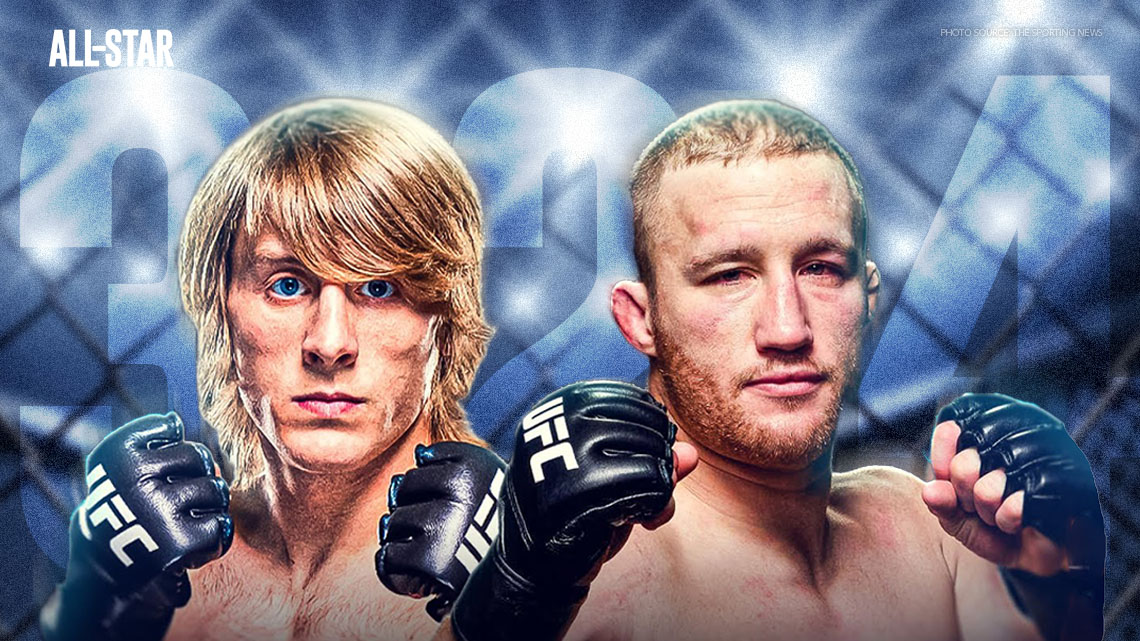
In the case of UFC 324, there is certainly an argument to be made that Justin Gaethje and Paddy Pimblett’s five-rounder made the whole thing worth it.
While combat sports fans are not opposed to seeing extensive grappling matches in their MMA bouts, watching that pair show off their striking abilities led to a more exciting viewing experience.
However, no other fight in UFC history encompasses that excitement better than the legendary April 2005 encounter between Stephan Bonnar and Forrest Griffin in the co-headliner of The Ultimate Fighter 1 Finale.
Both men immediately swung for the fences as soon as the bell rang — be it in the clinch or from a sizable distance. Even the ground game was must-watch, with Griffin nearly cinching in an armbar to close out the opening frame and “The American Psycho” responding with punches off his back as hard as he could in other exchanges.
After non-stop action through three rounds, Griffin and Bonnar were both sporting crimson masks as the fans inside the Cox Pavilion in Las Vegas, Nevada, gave them their just dues. The record shows then-25-year-old Griffin as the winner via unanimous decision, but the historical implication of this fight and how it ultimately saved the UFC from financial ruin cannot be stated enough.
Comparing Gaethje and Pimblett’s striking showcase to Griffin and Bonnar’s legendary brawl may be overselling it, sure. However, if the conversation is strictly about entertainment value and thrilling fans from bell to bell, they are certainly up there.
Massive Financial Success For UFC’s Paramount+ Debut
With everything related to the in-Octagon action out of the way, it is now time to look into the most important metric for the UFC (and any entertainment brand worth its salt, for that matter): financial success.
UFC 324 at the T-Mobile Arena in Las Vegas, Nevada, had an announced attendance of 19,481, which is good for a live gate of $10,951,166. Not a bad start for Dana White and TKO Group for the new year.
The most interesting thing, though, is what the Paramount+ numbers are, as this card marked the UFC’s first event with Skydance Corporation (which owns Paramount) in their seven-year, $7.7 billion deal, following the expiration of their partnership with ESPN.
According to a joint press release from the powers that be, the official live average minute viewers was at 4.96 million views. Additionally, it reached 7.18 million households globally (not including the Philippines) and had 5.93 million concurrent streams at its peak (these numbers only assume that only one person was watching per device/account).
Multiply the peak concurrent streams number by the lowest packaged price of a Paramount+ subscription available to consumers, which is at $8.99 per month, and the grand total is roughly $53.31 million.
From a financial aspect, UFC 324 delivered the goods, and it’s a surefire sign that the UFC is still the undisputed king of combat sports in the world.
Circling back to the question that spawned this entire piece, what’s the verdict on UFC 324?
All things considered, UFC 324 is the kind of card that invites discussion from all types of MMA fans. Justin Gaethje and Paddy Pimblett certainly deserve their flowers for putting a bow on the promotions’ first show in the Paramount+ era, as it had diehard fans looking back to the past in a “that’s how it’s done” kind of way. The financial numbers don’t lie here.
Meanwhile, the undercard was just passable at the very least and did its job in getting viewers to stay until the main event, despite losing three bouts before showtime — except for one fight (looking at you, Waldo Cortes-Acosta versus Derrick Lewis).
Whether UFC 324 was a hit or a miss ultimately depends on what one’s expectations were entering the event: hoping to watch a potential banger of a card from top to bottom, or hopping on at the last-minute to witness an all-time slugfest.