Heavy Heart at Home: Eala on Pressure, Pride, and Her People
Playing at home is supposed to feel like comfort. Familiar voices. Familiar faces. A crowd that cheers not just for your points, but for you. But for Alex Eala, this week proved that home support can feel like both a hug and a weight on your shoulders at the same time.
“It’s a two-sided sword. On one end, it does cushion the blow because you know that they’re there for you and they support. On the other hand, it hurts a little more and it’s a little harder to accept because you want to do the best for them,” she stated following her exit from the WTA Philippines Open.
That’s the reality of competing in front of your own people. The love is louder, but so is the desire not to let anyone down.
Still, when she looked back on her performance, Eala held onto one important truth: she gave everything she had.
There were no shortcuts, no half-measures, no lingering regrets about the effort she showed on court. And when she zoomed out, she didn’t allow one result to define the bigger picture.
“I think I gave it my all today and there were no regrets, so I’m happy about that. I think this tournament, although it’s not yet done, has been a great success. Just the turnout of people, seeing how much they’ve enjoyed, hearing the feedback from other players and from people in the WTA, I think it couldn’t have turned out better for a first edition.”
There was pride in her voice, not just as a competitor, but as someone watching tennis take meaningful steps forward in her own country.
“I’m so happy that I got to be a part of it and I’m so happy that I was able to see it unfold. I think there’s a lot of room for improvement having just two professional tournaments for women. I think there’s a huge margin for improvement there.”
That belief extends beyond tournaments and infrastructure. Eala believes deeply in the athletes themselves, specifically in their talent, discipline, and hunger.
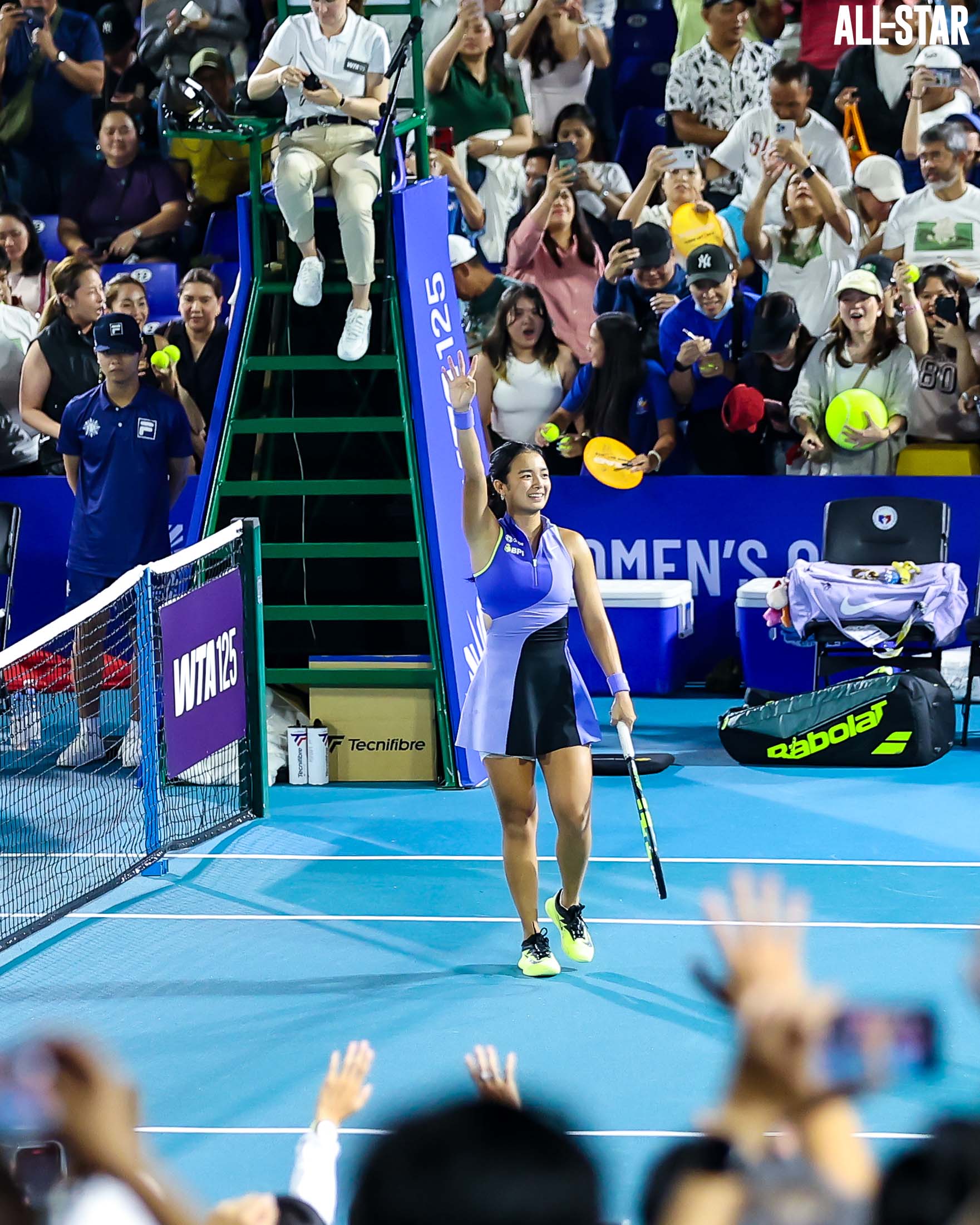
“Filipinos are super hardworking, super passionate, so I’m sure if we nourish our tennis players, then slowly we can start to build more and more champions.”
Loss, however, is unavoidable in tennis. More than most sports, it forces players to sit with defeat often and learn how to move forward quickly. That small interval where you decide on your next move can make the biggest impact on your game.
“It’s difficult. I think everyone has their own ways of coping. For me personally, it’s not always the same for each loss the way I cope. I think a part of this journey is learning to be self-aware in terms of knowing what I need to do to step back and regroup. In tennis, you lose a lot. Some losses are going to be more difficult than others. It’s something I guess you have to manage. It’s tough and it’s just different in every situation for me.”
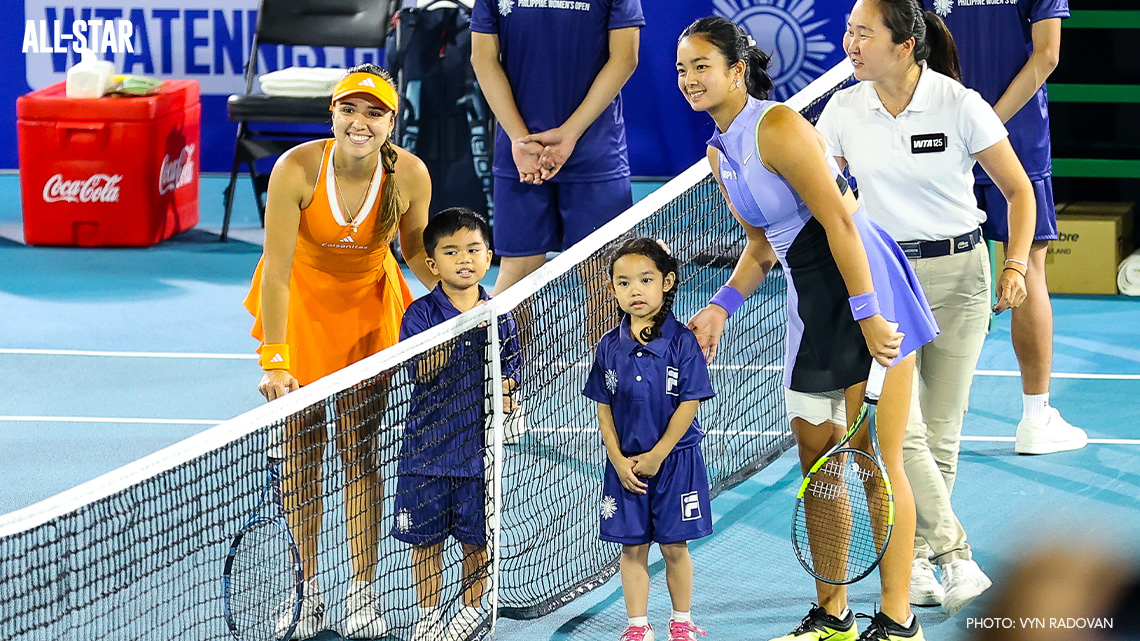
No fixed formula. Just learning, adjusting, growing. She also gave credit where it was due. Facing Camila Osorio wasn’t just a physical battle — it was tactical. Osorio disrupted her rhythm, never letting her settle. That’s just how the game works, making your opponent uncomfortable.
“I think Camila is a very consistent player. I also think that she’s very smart on court. She changed the rhythms and she never really allowed me to be in a comfortable position. I think she executed really well. I definitely think I had my chances in some moments, but today she played better than me in those moments. I think that’s just something I can work on moving forward.”
In the end, this week wasn’t just about wins and losses. It was about pride, pressure, growth, and the complicated beauty of playing at home — where the cheers are louder, the emotions heavier, and the lessons deeper.
And if there’s one thing Alex Eala made clear, it’s this: she’s not done learning, and she’s not done building.
Fore more coverage on the WTA Philippines Open, view here.