Checkmate, Nerds: Why Chess Became an Esport
Call it sacrilege, call it evolution, call it the Queen’s Gambit meeting Twitch and deciding to marry on a yacht. Whichever you pick, chess is officially an esport now.
The tiny wooden soldiers haven’t been banished (yet), but the game that for centuries required velvet gloves, hushed rooms and a respectable monocle has been remixed into something louder, faster, flashier, and immensely more profitable.
If you want the short version: digital platforms, pandemic boredom, streamer culture, fat prize pools and a couple of celebrity grandmasters who loved the lights. If you want the long, deliciously petty version, read on.
The Headline: Magnus Did the Thing
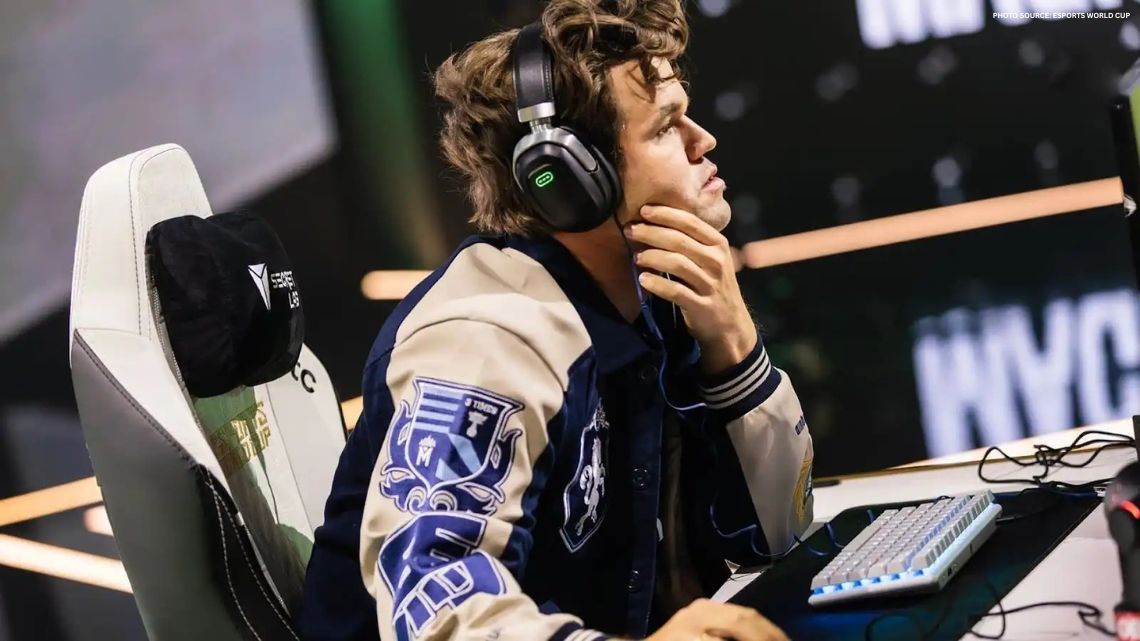
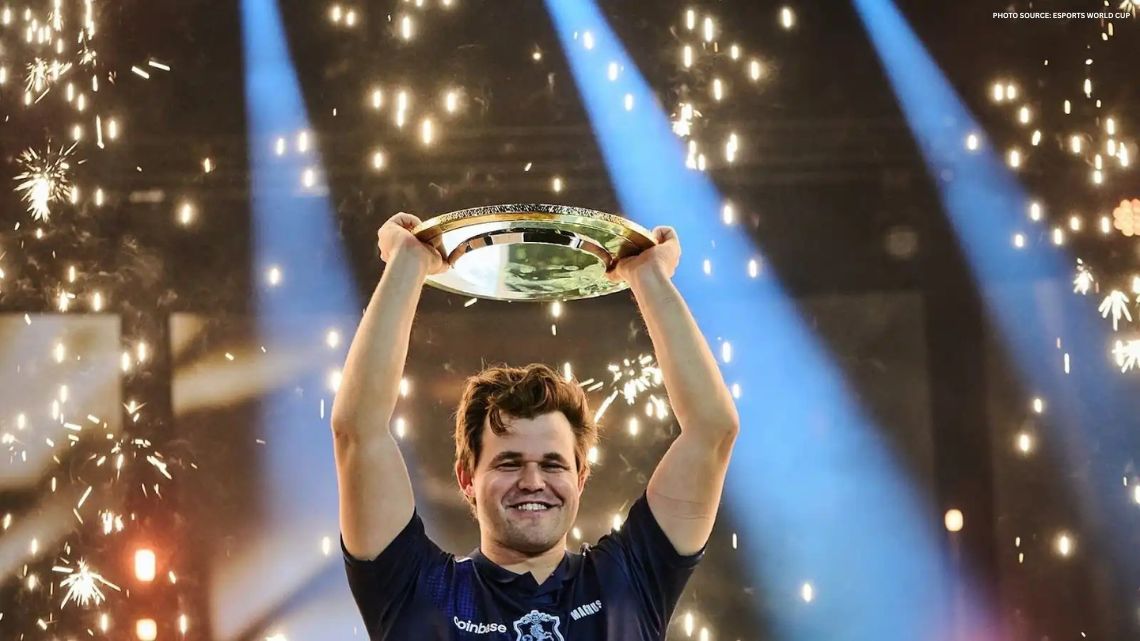
Let’s drop the biggest evidence in the room first: Magnus Carlsen, chess’s most famous export since Fischer (and arguably its best PR agent), won the inaugural Chess tournament at the Esports World Cup in Riyadh and walked off with an eye-popping payday and a stadium-level celebration.
The event was staged like any other esports final: smoke, cameras, branded jerseys, and a trophy raised to pyrotechnics. The moment confirmed what a lot of people suspected in their silent, smug moments: high-level chess is not just a sport of slow-burning genius. It can do spectacle too.
That EWC debut didn’t feel like a chess club’s potluck.
The prize pool and marketing were built to play alongside Counter-Strike and League of Legends in the same newsletter. Chess’s new promoters weren’t asking viewers to admire a position for 15 minutes. They wanted clicks, sponsors, and highlight reels. Which leads to the important question: Why chess???
Why chess, of all games, is suddenly wearing neon
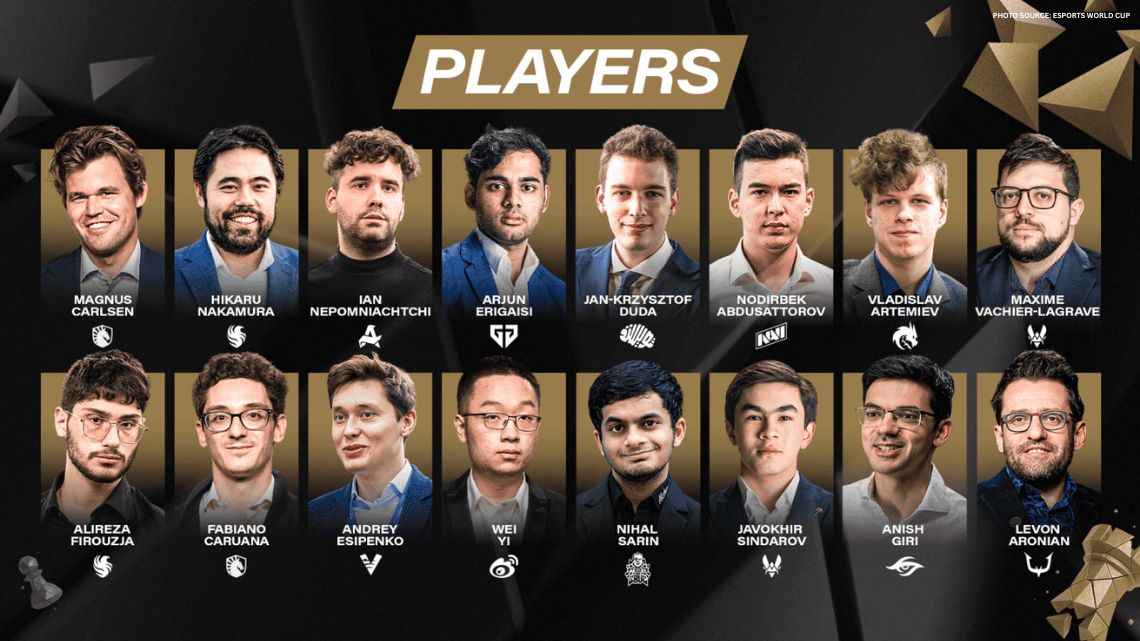
There are four ingredients in this sudden recipe:
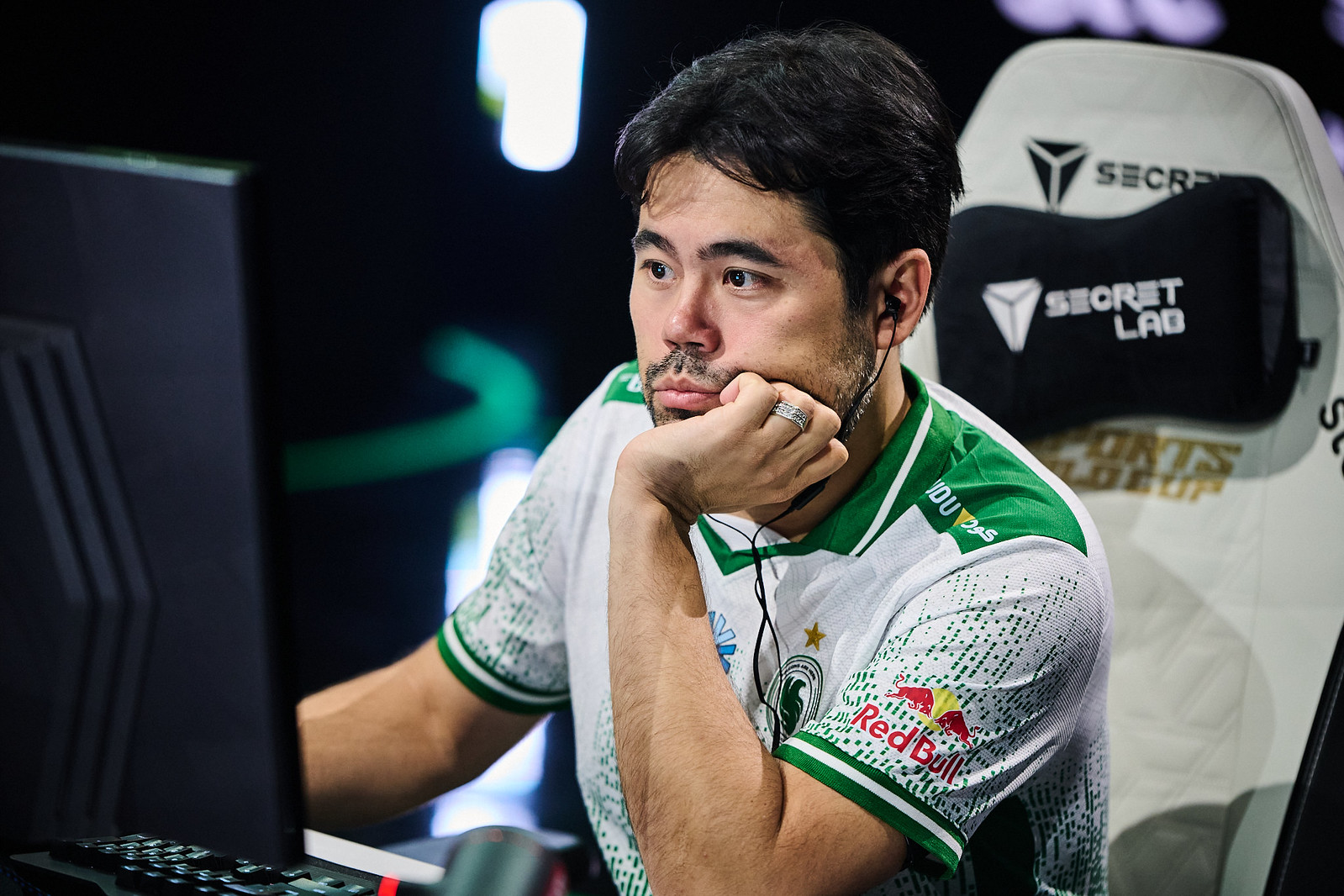
- A streaming ecosystem that loves a personality. Twitch and similar platforms don’t care if you’re playing Valorant or endgame rook maneuvers—they care about people who keep an audience. Enter grandmasters who also learned how to be entertainers. Hikaru Nakamura is the poster child: a world-class blitz player who turned his Twitch channel into a brand and signed with esports organizations because he brings eyeballs. Streamers made chess watchable: talking through moves, mocking blunders, doing collaborations with non-chess creators, and that turned chess from niche into appointment TV.
- The pandemic + The Queen’s Gambit effect. Lockdowns made people download chess apps in their thousands; a Netflix miniseries made it look cool to play; online platforms made it easy to play. Suddenly millions were playing and millions more were watching highlights. Chess.com and Lichess saw user spikes; PogChamps and other streamer-focused events turned chess from solitary to social. The engine was primed.
- Money and infrastructure. Big prize pools, esports orgs, and sponsors looking to diversify created financial incentives. Esports World Cup’s chess prize pool and club competition structure treated chess like any franchised esport—club points, merchable moments, and corporate partners. Once the dollars arrived, so did the professionalization.
- Formats that fit screens. Blitz, rapid and lightning rounds are watchable. Shorter time controls mean more decisive games, and decisive games equal highlight clips. Add overlays, spectator engines that show best lines, and commentators who can explain a tactic in a soundbite, and chess becomes digestible content even for people who think “en passant” sounds like a French pastry.
Who went from classical halls to esports jerseys?
This isn’t a takeover by the washouts. Some of the biggest names in chess are the ones strapping on jerseys or signing streaming deals. Hikaru Nakamura was one of the first to treat streaming as a career; he signed with esports orgs, and other top players, including world-class names, have inked deals as teams scramble for star power.
The logic is obvious: put a famous name on a roster and you pull fans, sponsors and platform deals. EWC qualifiers quickly read like a world championship bracket made for brand managers.
It’s worth noting: these players are not “former” grandmasters who quit chess to chase pixels. Most are still elite chess players. What changed is how they monetize their craft: boardside tournaments still exist and matter (classical titles mean legacy), but streaming, branded team play and esports events are new revenue streams, and they’re enormous compared to some classical purses.
But why not just play on a real chessboard?
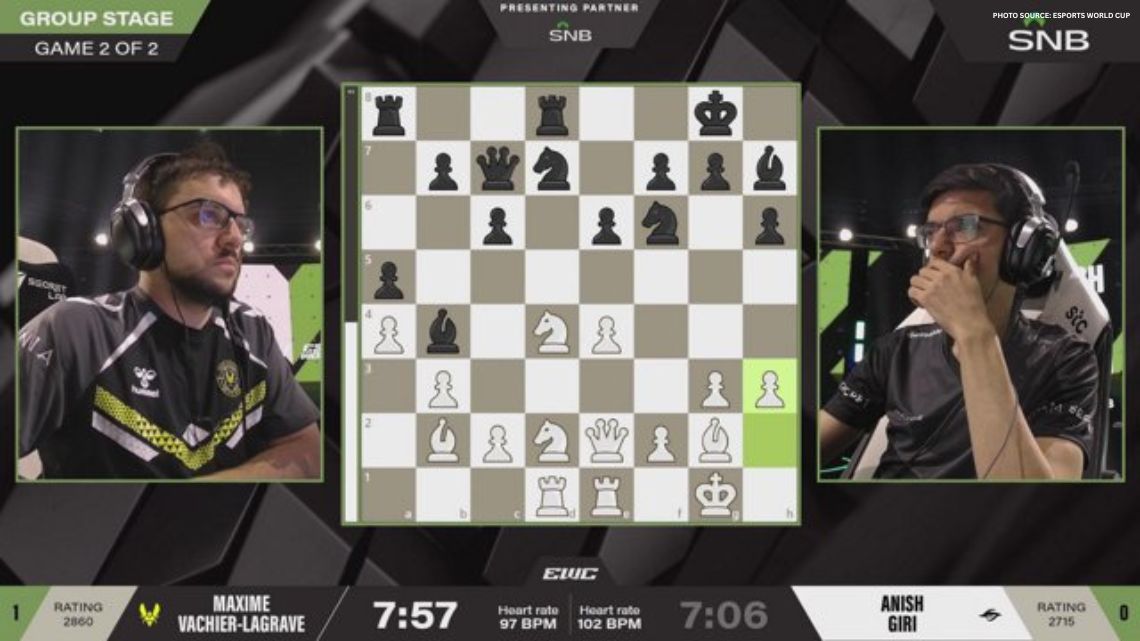
This is the cultural controversy that gets the grandmaster cocktail parties steamed. Traditionalists sniff, “What’s next, checkmate in a nightclub?” Here’s why the board often takes a back seat in esports chess:
- Spectacle trumps silence. An over-the-board (OTB) game is quiet, intimate and slow. It’s brilliant, but not a highlight factory. Esports is a spectacle business: fans want moments, memes, and personalities. You can’t get those from a five-hour classical game unless you make a TikTok out of the handshake.
- Broadcastability. Online platforms give instant replay, engine analysis, multi-angle commentary, and overlays showing the move’s strength. That’s TV-friendly. A physical board lacks the immediate visual grammar that keeps viewers glued.
- Time controls. Blitz and rapid make for many decisive games per hour. It’s shorter attention-span compatible and creates the “must-see” momentum esports thrives on.
- Interactivity and crossovers. Esports fans like interactivity: chat polls, viewer challenges, and even amateur qualifiers feeding into pro brackets. Digital chess can allow audience interaction the physical board simply cannot.
- Logistics and scale. Running a multi-region esports cycle that feeds into a major final is easier when everything is online (or at least digitally integrated). You can qualify thousands of players and funnel the best to a live stage—the classic tournament circuit can’t scale that way without enormous cost.
Does that mean physical boards are dead? Absolutely not. Classical titles, the World Championship, and OTB prestige remain the sport’s spine. But spectacle sells socks and streaming subscriptions, and esports frameworks sell stadium seats.
The Downsides (Yes, There are Receipts)
- Purists will rage. They have already. “Esports chess” can tilt toward entertainment at the cost of serious prep and nuance. Freestyle formats and giggle-chess with Streamers can de-emphasize depth.
- Commercial pressures shape formats. Sponsors and broadcasters want drama, so formats may prioritize drama over the game’s classical integrity. That’s not a problem if you keep both lanes: festival chess on Friday night, candidates match on Monday.
- The engine problem. Online chess must grapple with cheating and fair-play. High-stakes prize pools mean sophisticated detection systems and sometimes brittle suspensions. It’s a technical war as much as a sporting one.
The New Map: Chess with a Keyboard and a Camera
What’s happening now feels less like a death of chess and more like a strategic rebrand. Chess found a partner that understands how to sell moments, and the game’s brightest stars learned how to be content creators without losing their edge. Magnus winning the EWC is symbolic: the game’s old guard (and, by the looks of it, its best player) is willing to strut on the esports stage. That’s permission for the rest to follow.
If you’re worried about purity, remember: chess has survived centuries of innovation: clocks, notation, rating systems and computers were all controversial at first. The board will always be where kings fall and legacies are made. But these days, the fall happens in more places: on wooden squares, on a phone in line, and on a stage under LEDs while a chat fills with emotes.
Call it chess’s second life. Call it a sellout. Call it inevitable. Either way, the rook has found a spotlight and it likes being lit.
For more exclusive esports stories, click here.