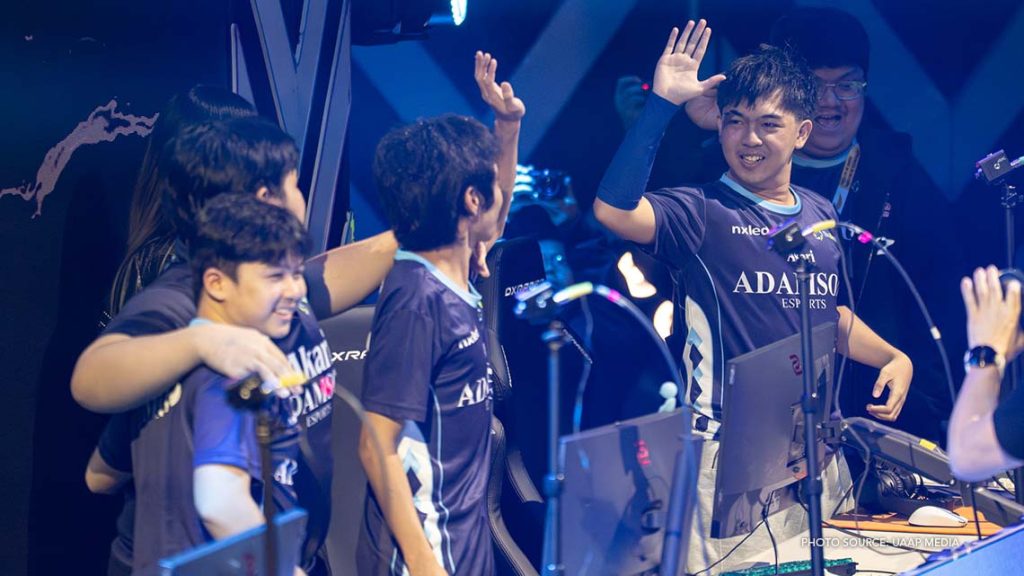
Adamson’s Valorant Run Ends in Silver, But Found Something Greater
The Adamson Soaring Falcons came within striking distance of the coveted 2026 UAAP Esports Valorant championship, leaning on the strengths that carried them this far.
But growth is never linear, and sometimes, it comes through the most painful and brutal lessons.
After missing the Final Four in their previous two seasons, the Soaring Falcons finally put together a breakthrough campaign, reaching the championship series before the NU Bulldogs outlasted them in a dramatic 2-1 reverse sweep.
Being one step away from glory only to fall when it mattered most is a bitter pill to swallow. But the Soaring Falcons refuse to dwell on the loss, knowing they have built a system capable of taking them even farther—and fueling their hunger for more.
Building From Zero
The Falcons entered the latter stages of the tournament carrying a 6-1 record, a remarkable turnaround for a team that had failed to reach the Final Four in its first two seasons.
For captain Kupid Abuan, the difference was not a complicated playbook or a collection of flashy strategies.
It was trust.
Adamson learned to lean on what it already knew, staying together and refusing to abandon its fundamentals when the pressure rose.
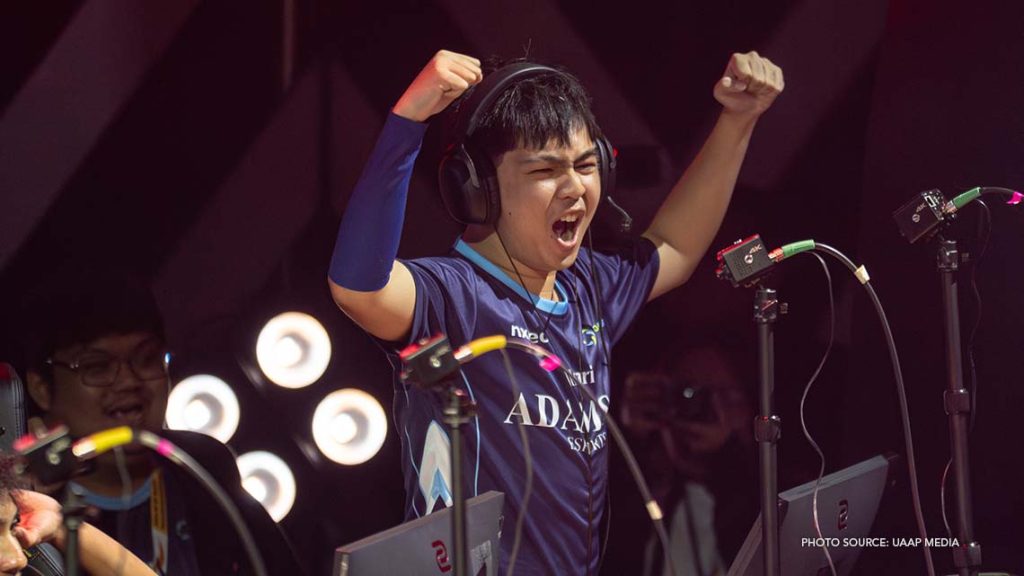
“Ang ginawa namin kasi is sticking to what we know and never trying something new na hindi namin ginagawa in practice. So ang ginagawa namin in most of our games is ‘yung pinaka-fundamentals lang ng micro and macro ng paggalaw namin. That’s all. Just together lang most of the time,” Abuan explained to ALL-STAR.
That simplicity became the identity of the Falcons.
Abuan said the team’s approach was rooted in the traditional fundamentals of tactical shooters, drawing from the principles of teamplay that had long defined competitive FPS games.
“Yung strategy na ‘yun is very traditional kumbaga. Pero iyun ‘yung nagpapapanalo talaga. Ever since, kahit hindi sa Valorant, kahit other FPS games like Counter-Strike, doon kami nag-base ng teamplay namin. Halos 4-1 or basta together lang and playing as a team.”
The Falcons learned not to overthink what was already working.
If a strategy continued producing rounds, they stayed with it. Adjustments only came when the plan stopped working, and even then, the goal was to refine their setup rather than abandon it completely.
“If we’re up 8-1 sa scoreline, then we’re just winning on the same strategy that we do. We won’t change anything. So kapag doon kami natalo, we will change something or doing a better setup.”
That trust in their system became even more important when the Falcons found themselves on the wrong side of the scoreboard.
Instead of allowing the scoreline to dictate their decisions, Abuan and their coach would remind the players to return to what they had practiced and trust the protocols they had built together.
“Kapag natatalo na, parang reminders lang na ganito, may protocols tayong ganito sa team namin. Nare-remind lang kami ng coach and as a team captain, nare-remind ko lang din sila na kalma lang tayo, alam natin yung ginagawa natin, we have our own game, don’t play their game.”
But that system had to be built first.
When Coach Carlo Ocampo joined Adamson, the Falcons confronted problems that had followed them through their previous campaigns. Abuan said the team needed to rebuild its coordination and communication from the ground up.
Ocampo’s arrival gave them an opportunity to strip everything down and rebuild.
“Pagpasok ni coach is back to zero. Nag-build kami ng foundation, which is communication. Yung binigay talaga namin unang-una. Kailangan namin mag-freestyle. Anong gagawin namin if we’re playing default? Anong gagawin namin if we’re playing fast? Dapat constant talking kami.”
For Adamson, communication became more than simply calling out enemy positions. Every piece of information had to become part of the team’s next decision.
“Kahit sabihin natin, one step lang ng kalaban kapag narinig mo ‘yung footstep, kailangan mo sabihin. You have to say everything you hear. Ganun ‘yung protocol namin.”
With that foundation in place, the Falcons could begin building everything else around it.
Macro decisions, positioning, rotations, and individual responsibilities became easier to execute because the players were no longer making decisions in isolation. They were learning to react as one.
The same principle carried into their preparation.
Their scrimmages were not always about simply winning. Some were designed to prepare for specific opponents or situations, while others were treated almost exactly like tournament games. Mistakes were recorded, clips were saved, and the team returned to them after practice.
The real work continued in their VOD reviews, where players and coaches dissected rounds, questioned decisions, and searched for better answers.
“After the scrim sessions, we will have a VOD review. Pag-usap-usapan namin na anim or pito kami, including the coach and the six-man, na brainstorming kami kung anong gagawin namin or like anong much better play dito? Bakit ganito yung ginawa mo? If that certain player did something wrong, parang there’s a lot of questions na kailangan i-answer namin as a team.”
Those conversations created shared answers.
Instead of five players improvising independently when a difficult situation arose, Adamson could fall back on decisions they had already discussed, tested, and practiced.
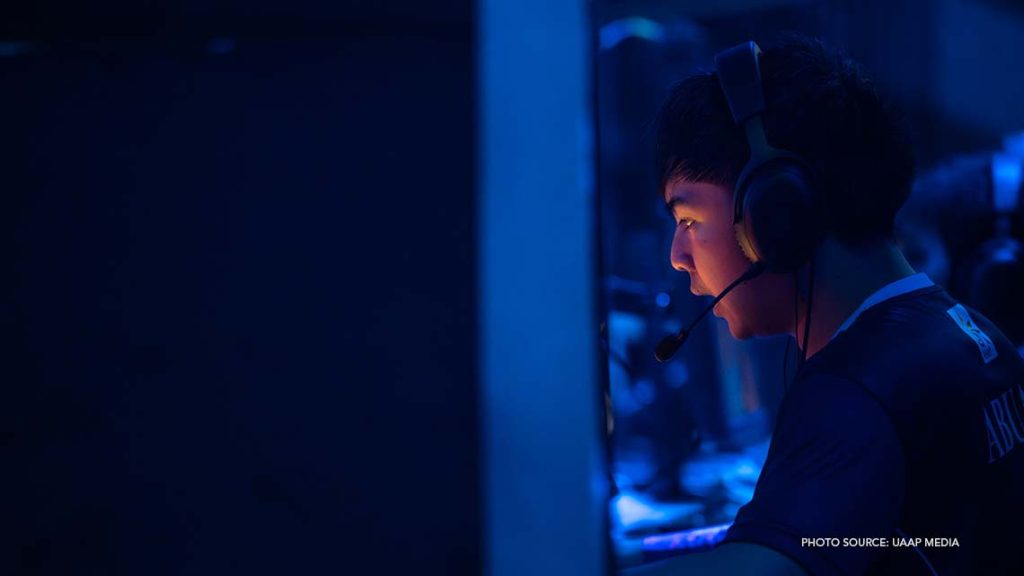
The results followed.
Adamson emerged as the top team in Group A with seven points, finishing the group stage unbeaten with two wins and a draw before advancing to the semifinals. The Falcons eventually reached the grand finals against NU, putting themselves within reach of a championship that had once seemed out of reach.
Dissecting the Collapse
Adamson was in control.
The Falcons built an 8-1 lead and eventually found themselves ahead 9-3—just four rounds away from becoming UAAP Valorant champions.
But the same team that had spent the season learning to trust its system suddenly found itself struggling to trust the moment.
Abuan admitted that the team had started celebrating before the match was actually over.
“Doon palang, we were celebrating na akala mo nanalo na ganun kahit hindi pa tapos ‘yung game. Parang nakampante, ganun na lang siya. Nakampante kami.”
The lead that had seemed so comfortable suddenly carried its own pressure.
Valorant is a momentum-driven game, and as NU began mounting its comeback, the Falcons also had to contend with the psychological weight of a familiar 9-3 scoreline.
“Feel ko kasi, na-pressure din kami. Kasi nga, alam mo naman yung 9-3 curse na sinasabi. Yung 9-3 curse is, parang psychological factor na din.”
The pressure became most apparent when Adamson faced a situation it had already prepared for.
NU was on an economy round, and the Falcons had the weapon advantage. Their plan was to play farther back, gather information, and use that advantage to their benefit.
Instead, they hesitated.
“We really didn’t know how to move. Or like, kapag eco yung kalaban, and then we don’t have any info. Tapos, if I remember correctly, ang plano namin is play far since we already know na eco yung kalaban, they don’t have guns.”
The problem wasn’t the plan itself. It was the hesitation that followed. Adamson took too long to make something happen.
The Falcons remained stationary as they waited for information and failed to force NU into giving them the rotations they wanted. Seconds continued to disappear, and with them went Adamson’s room for error.
“We were taking too much time to get info or to pull rotations from the enemy. And we really didn’t do anything. During, feel ko, one minute kaming naka-stay put lang.”
By the time Adamson realized it had to act, there was little time left to execute.
The Falcons were forced to push mid, rotate back toward A, and gamble on a site take without enough time to properly coordinate their utility or pathing.
The round slipped away.
So did the momentum.
The 9-3 lead began to disappear, and NU eventually forced overtime before completing the comeback and carrying that momentum into the deciding map.
For Adamson, the collapse was painful precisely because the Falcons knew what they were supposed to do.
They had prepared for the situation. They had discussed their protocols. They knew the utility they needed and the information they had to gather.
Yet when the championship was within reach, the communication that had carried them through the tournament began to break down.
“Hindi na na-call out yung utilities. Di na na-call out yung pathing. We didn’t have enough time. Then, natalo na kami.”
The finals exposed the difference between knowing how to compete for a championship and knowing how to finish one.
The Silver Lining
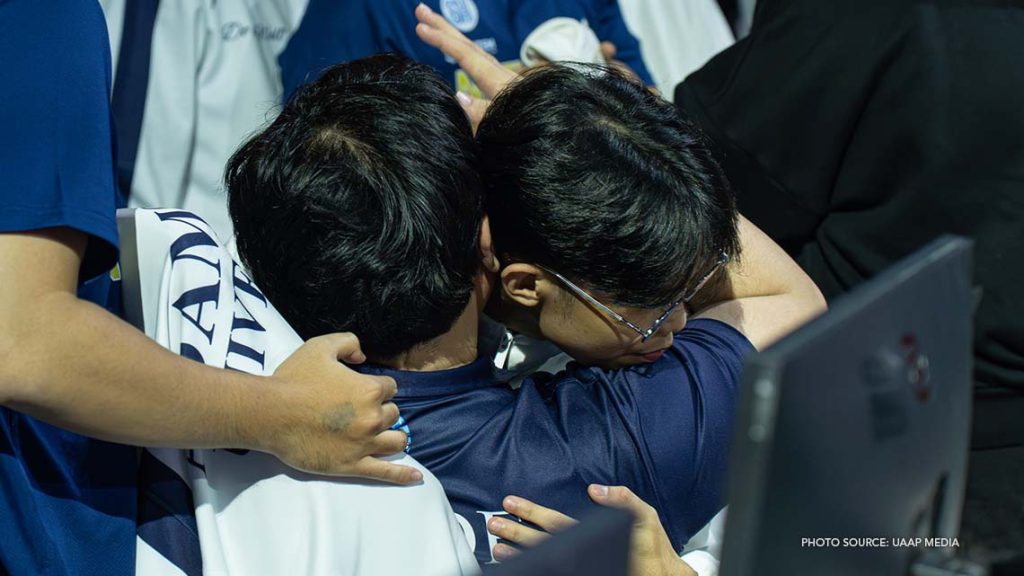
The loss ended Adamson’s title bid, but it did not erase what the Falcons had accomplished.
For a team that had failed to reach the Final Four in its first two seasons, a silver medal represented a dramatic step forward. More importantly, the run gave Adamson something it had not possessed before: proof that its foundation could carry the team all the way to the championship stage.
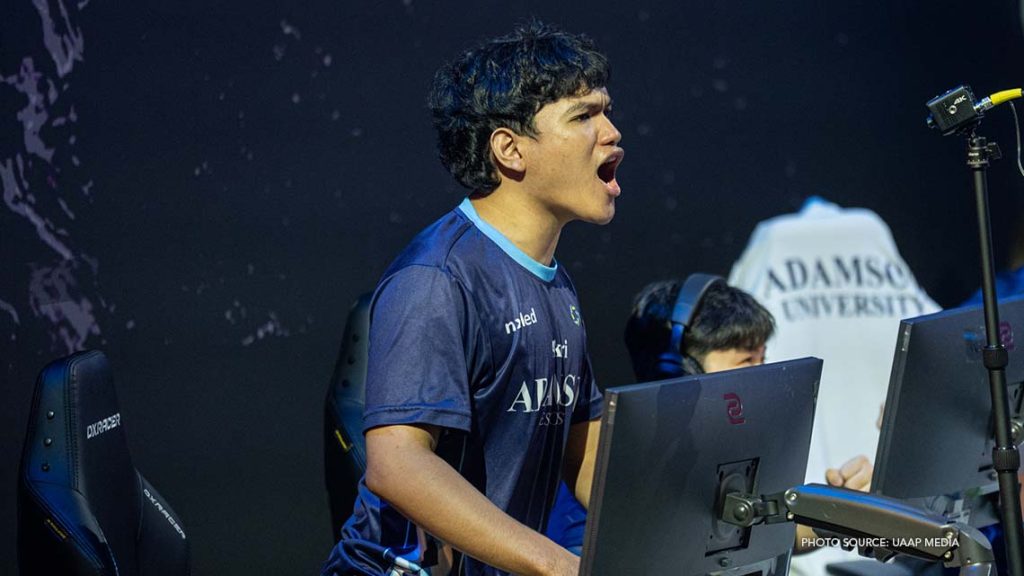
But the finals also showed them where that foundation could break.
Adamson’s greatest strength—its communication, discipline, and trust in its fundamentals—failed them at the exact moment they needed those qualities most.
That realization may ultimately become more valuable than the silver medal itself.
Abuan does not want the loss to become something the Falcons simply remember. He wants it to become fuel when they return to practice, particularly after experiencing how close they came to becoming champions.
“Yung nangyari sa’min is like we celebrated too early without assurance na mananalo talaga kami. And alam naman natin na very momentum game yung Valorant. And parang ‘yung magiging motivation namin para sa next season is ‘yung hunger namin to get the gold first place.”
The lesson is not that Adamson needs to reinvent itself. It needs to become more consistent with what already brought it this far.
The Falcons now know what their system can produce. They also know how quickly it can unravel when they stop trusting it under pressure.
The next season will demand the same fundamentals, only with greater consistency, stronger chemistry, and the discipline to stay together when the championship is within reach.
“During practice, very serious talaga. Yung work ethic, yung consistency, and chemistry as a team dapat mas maging much better pa.”
Adamson’s breakthrough was not built on a secret strategy.
It was built on communication, repetition, trust, and a willingness to return to the fundamentals whenever the game became chaotic.
The Falcons came within four rounds of the championship before NU turned their 9-3 advantage into a comeback they could not stop. The defeat hurt, but it also gave them something they can carry into the next season: a clearer picture of how close they are—and what they still need to become.
For more exclusive Esports stories and updates, click here.