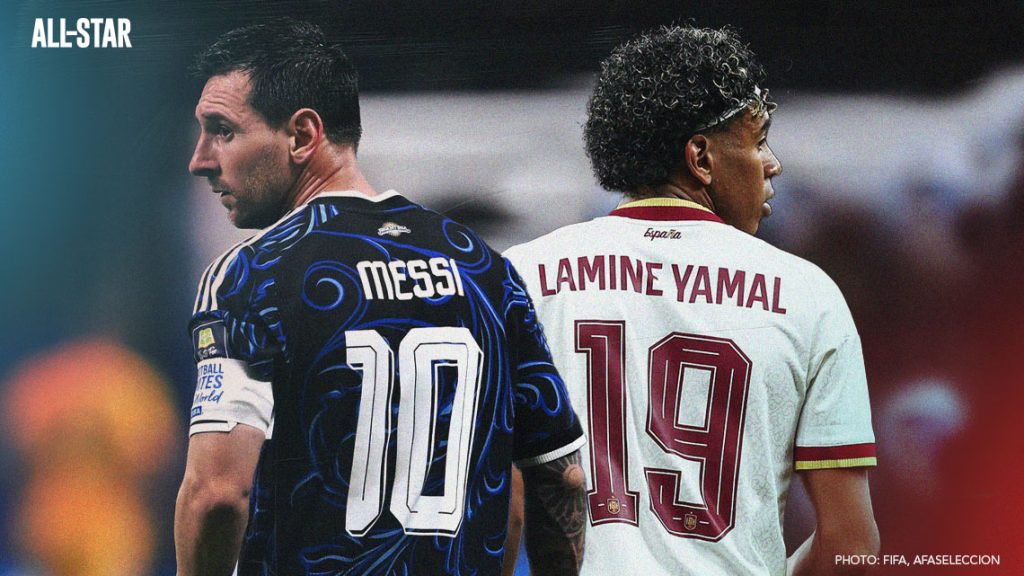
Football’s Two Languages: Spain’s new generation stands between Argentina and history.
World Cup finals are supposed to bring together the two best teams in the tournament.
This one brings together two completely different philosophies of football.
Spain have reached the final by slowing games down. Every attack is built patiently, moving the ball until defenders lose their shape and spaces begin to appear. Pedri dictates the rhythm, Rodri at the center of it, keeps everything balanced, and Dani Olmo drifts into the pockets that turn possession into chances.
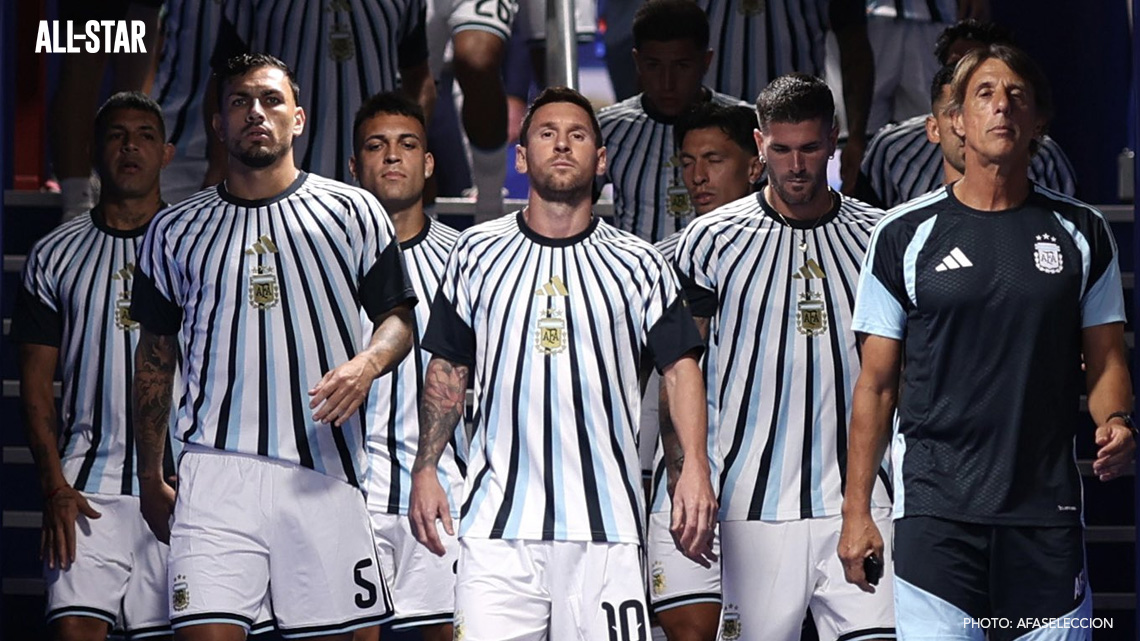
Argentina have taken a different route. Their football carries far more urgency. Winning the ball often becomes the first pass of an attack. Enzo Fernández immediately looks forward, Rodrigo De Paul drives the intensity, and Alexis Mac Allister stretches defences long enough for Lionel Messi to find the spaces that only he seems able to see.
Neither approach has been more effective than the other.
They’ve simply solved the same problem in different ways.
Where Finals Are Really Won
Goals decide finals. Midfields usually create them.
Spain’s greatest strength has been their ability to stay composed regardless of the occasion. Even under pressure, the ball keeps moving. Every completed pass feels like another small victory until the match begins to tilt in their favour.
Argentina are more comfortable playing on instinct.The moment possession changes hands, so does the tempo. Transitions arrive quickly, runners flood forward, and suddenly a defence that looked organised five seconds earlier is scrambling back towards its own goal.
If either midfield manages to dictate its own rhythm, the final could follow.
Two Defences. Two Personalities.
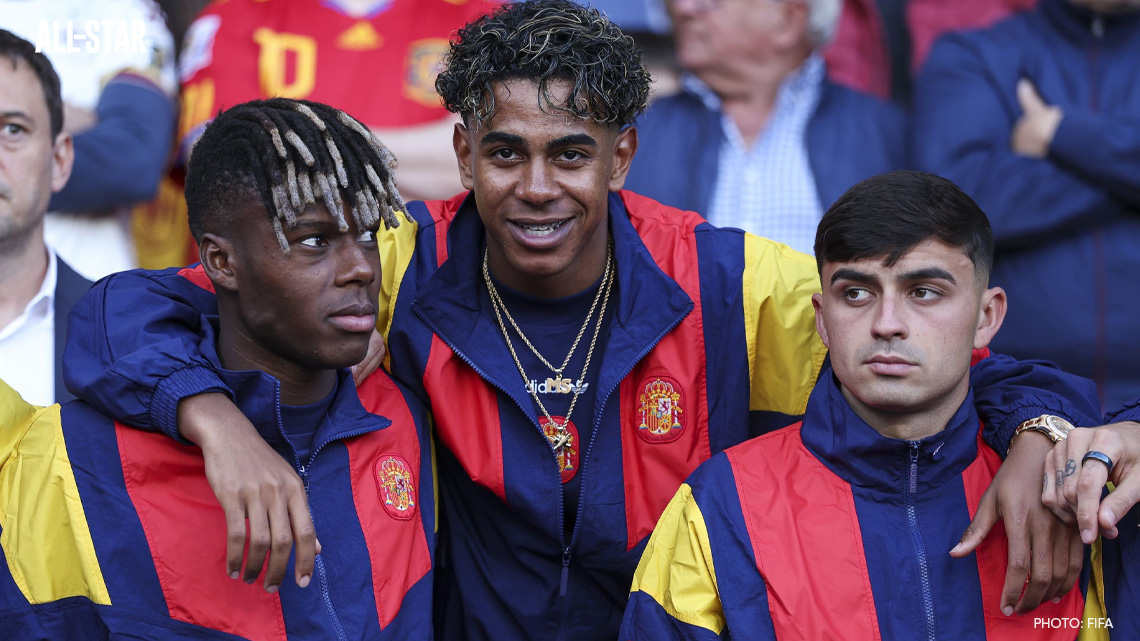
Spain defend as collectively as they attack. Their press begins high, their lines stay compact, and opponents are given very little room to breathe. At the heart of it is the centre-back pairing of the composed Aymeric Laporte and the fearless young Marc Cubarsí, while Marc Cucurella and Pedro Porro provide relentless energy down both flanks. Both full-backs are just as comfortable breaking up attacks as they are joining them, giving Spain width in possession without sacrificing defensive solidity.
Argentina defend with a different edge. Cristian Romero thrives in physical battles, Nicolás Otamendi and Lisandro Martinez bring the experience of countless knockout matches, and Emiliano Martínez has made a habit of delivering when the stakes are highest.
Neither defence is built to entertain.Both are built to survive.
Messi. Yamal. La Masia.
Some football stories don’t need much explaining.
Lionel Messi and Lamine Yamal both began at La Masia.
One became the greatest player the academy has ever produced. The other has become the brightest talent to emerge since.
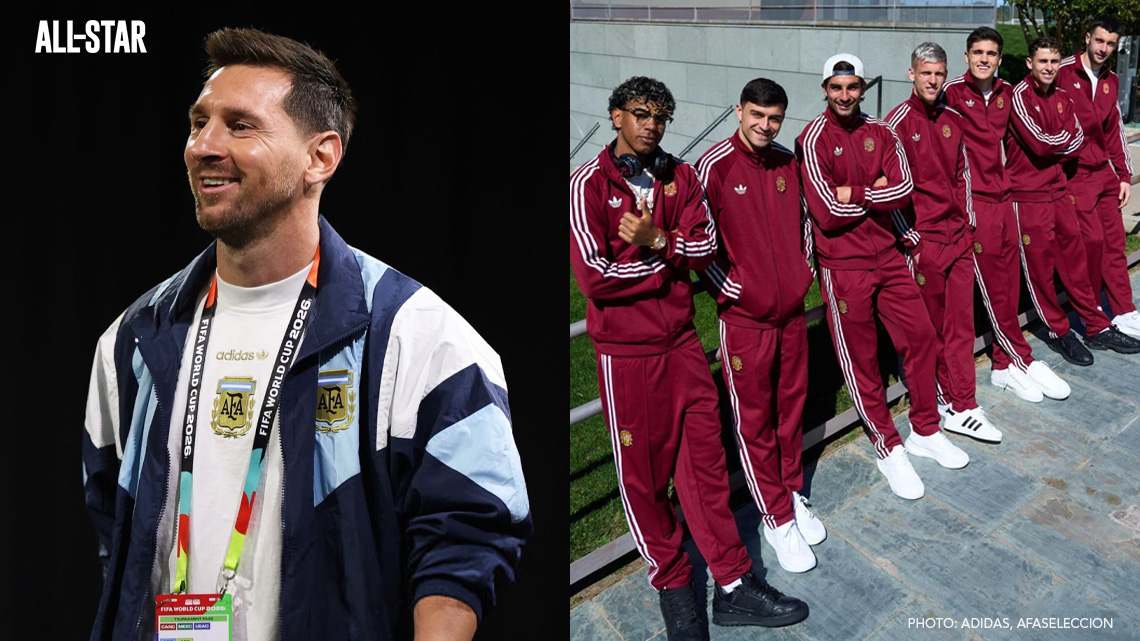
For Yamal, this is more than a World Cup Final. It’s ninety minutes against the player who inspired an entire generation of footballers—including him. Alongside him, Pedri and Dani Olmo and several others on the bench represent a new Spain built on many of the same footballing principles that defined Messi’s Barcelona years.
The academy that introduced Messi to the world now sends its next generation to face him on football’s biggest stage.
You couldn’t script it much better.
One Last Chapter—or the First of Many
This final feels bigger than a trophy.
If Argentina win, Messi lifts a second World Cup and strengthens a legacy that already sits among the greatest the game has ever seen.
If Spain wins, it won’t simply be another title. It will feel like the arrival of a generation ready to shape international football for years to come.
Maybe that’s why this final feels so special. It’s not just Argentina against Spain.
It’s the game’s greatest icon standing across from the player many believe could define its next era.
And by the final whistle, football may have its answer.