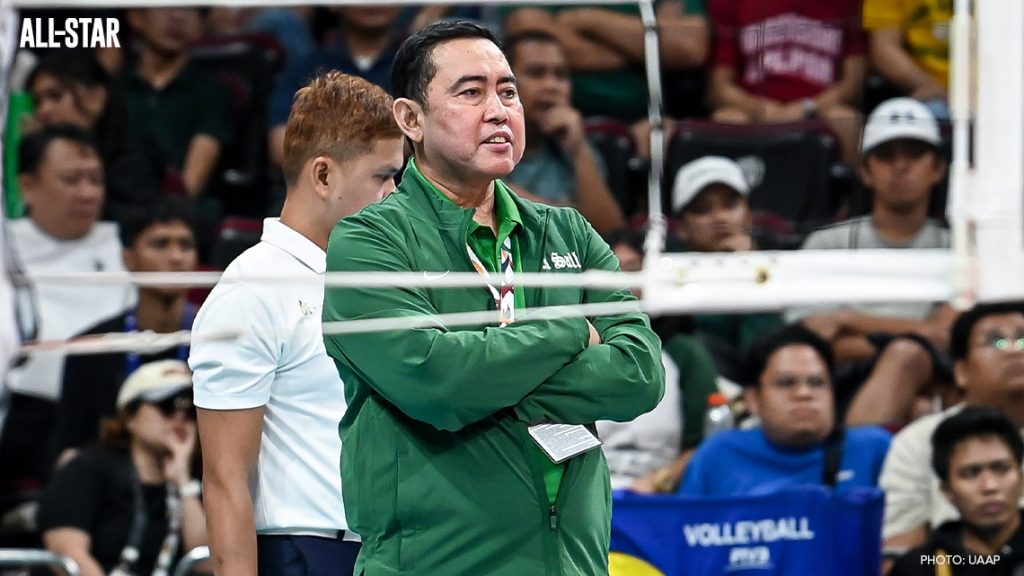
How Ramil De Jesus Keeps the La Salle Standard Alive
Dynasties are measured differently in UAAP women’s volleyball. Some are remembered for dominant seasons. Others for legendary players. But for decades, the De La Salle Lady Spikers have remained the standard — no matter how much the roster changes.
And for years, that standard has been shaped by one person quietly standing on the sidelines.
Ramil De Jesus has spent decades building one of the most successful programs in collegiate volleyball. Through championship runs, heartbreaking losses, undefeated seasons, and rebuilding years, De Jesus has become more than just a coach for La Salle. In many ways, he’s become part of the program’s identity.
But dynasties are often remembered only for the winning.
They remember the titles, the celebrations, and the trophies.
What people don’t always see is how difficult it is to keep a team steady when expectations never really disappear.
And this season, that challenge looked a little different.
Adjusting to Finals Pressure
Heading into the Finals, the Lady Spikers faced something unfamiliar: a long break before returning to high-pressure volleyball. On paper, rest sounds like an advantage. But for De Jesus, too much time away from competition can also disrupt rhythm, especially for a younger team still learning how to handle the pressure that comes with playing in games that matter most.
“Siguro ano, para sa’kin may disadvantage at advantage ‘yung pahinga namin. Unang-una, sinasabi ko nga sa team na ang mahirap kasi sa stepladder, namamaster ng mga teams ‘yung pressure sa loob ng court, samantalang tayo nandito nakapahinga. So, ‘yon ‘yung advantage ng ibang team na at least ‘yung pressure naha-handle na nila, kami tune up lang pero wala dun ‘yung pressure.”
And honestly, you could see it early in the match.
The Lady Spikers looked a step slow at first, which could’ve led fans to the edge of their seats. They were still trying to settle into the moment’s intensity before eventually finding their rhythm as the game went on.
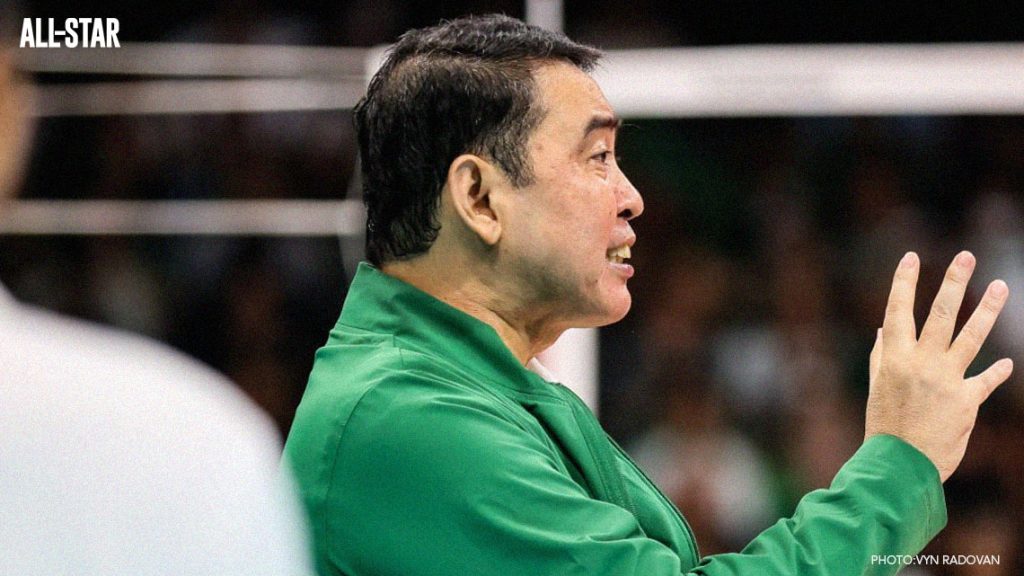
“Sabi ko sa kanila, kailangan masabayan muna natin ito. Ang nakita ko kanina, medyo mabagal ‘yung start namin and then eventually dun sa latter part na ng set, nakaka-adjust na ‘yong team and nakakasabay na sa gano’ng klase ng labanan and then naaano na nila ‘yung pressure.”
That’s the thing about De Jesus-coached teams.
Even when they struggle early, there’s usually a sense that they’ll eventually figure things out.
Maybe it comes from experience. Maybe it comes from culture. More likely, it comes from both.
After years of coaching championship teams, De Jesus understands that Finals pressure is something players learn through difficult moments, through games where composure matters just as much as talent.
Perspective Beyond the Pressure
And before the Finals even began, one of his biggest priorities was making sure the team recovered properly after an exhausting elimination round schedule.
“Actually, yung first week natin talagang more on recovery and rehab. Then ito rin yung week na nag-adjust na kami konting conditioning at yung tune up game. So ganun kahaba at least maganda para sa amin kasi, nung natapos yung second round, lubog kami sa laro eh. Talagang sunod-sunod yung game namin. So kailangan ng team yun. And ayun, naging advantage namin siguro yun.”

That balance, knowing when to push and when to slow things down, is part of what has allowed De Jesus to sustain success for so long.
But beyond strategy and preparation, there’s another thing that stands out when he talks about the team: perspective.
“One thing, yung maganda kasi at least nanalo kami ngayon and then makakatulog ng maayos, makakapagpahinga and then practice ulit. Mas mahirap yung nagpa-practice ka ng masama loob mo, mas maganda yung magaan ang loob mo kasi motivated ka talaga to win.”
For him, every Finals appearance carries history with it.
Every La Salle team gets compared to another great La Salle team. Every championship run becomes connected to the ones that came before it.
“Sabi ko lagi sa kanila is Season 76, na sweep namin ‘yung elimination tapos Ateneo ‘yung kalaban namin. So sabi ko, every year naman talaga, kung sino ‘yung champion, ‘yon ‘yung paghahandaan natin.”
More Than Just Winning
That mentality has been embedded in the program for years now.
It’s not entitlement or arrogance. It’s expectation.
Because when you wear a La Salle jersey, the goal is almost always the same: compete for championships.
And De Jesus makes sure his players understand both the privilege and responsibility that come with that.
“So ito na, ito na ‘yung situation, ito na ‘yung pagkakataon na makabalik kami,” De Jesus said. “Makakaharap namin yung NU, so kailangan paghandaan.”
“Sinasabi ko, hindi naman lahat nabibigyan ng opportunity makarating ng finals,” De Jesus adds. Nauna tayo, sabi ko, kailangang pangatawan natin.”
That line probably explains the program better than anything else.

Being part of La Salle was never just about the talent. It’s about learning how to carry expectations without letting them overwhelm you.
And maybe that’s why the program continues to survive changes in eras, lineups, and stars.
Because while players come and go, the culture stays.
And after all these years, that culture still sounds a lot like Coach Ramil De Jesus on the sidelines — reminding another generation of Lady Spikers what it means to live up to the standard that came before them.
ALSO READ:
Inside Sam Cantada’s Growth With the NU Lady Bulldogs
For more exclusive volleyball stories, click here.