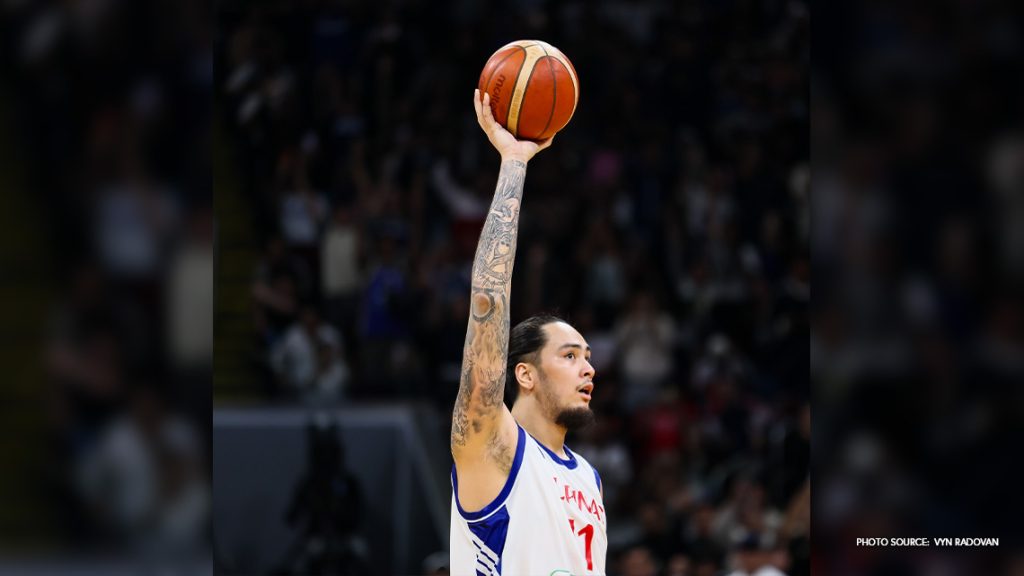
Report Card: Gilas Passes Jordan, Aces Iran
Ever heard your math teacher give a blunt compliment like, “correct answer, messy solution?”
I sure have, and that might have been a reason for me to choose English as my major. But I digress.
When Gilas Pilipinas took on Jordan and Iran in the August 2026 window of the FIBA World Cup Asian Qualifiers, they secured the outcome needed to stay afloat in Group E: two wins to improve their record to 4-4. But there were stretches—heck, one entire game—when the path to victory was messier than a faculty room when report cards are due tomorrow.
A win is a win, yes, but our national team needs to review the footage from these two games in order to polish what needs to be polished, as well as strengthen what needs to be strengthened. After all, we’re meeting Iran in November and jostling with Jordan next February. On the road.
Now that we’ve calmed our nerves and rested the throats that were hoarse from shouting “Supalpal!”, let’s put on our thinking caps anew as we hand out Gilas’ grades.
Dear students of the game, class is in session.
Jordan: A Win of the Ugly Kind
I can point to a number of things that I’d consider a thing of beauty in the Jordan game—CJ Perez’s daredevil drives, AJ Edu’s switchability on defense, Kai Sotto’s game-saving block in the dying seconds. But, why do I feel like this is an ugly win?
For every energizing play that Gilas pulled off against Jordan last Friday, there was a big blunder that silenced the crowd inside Mall of Asia Arena. That “one-point win” message written on Gilas’ whiteboard? Written by human hand, but sent by the basketball gods as an omen of the emotional roller coaster about to unfold.
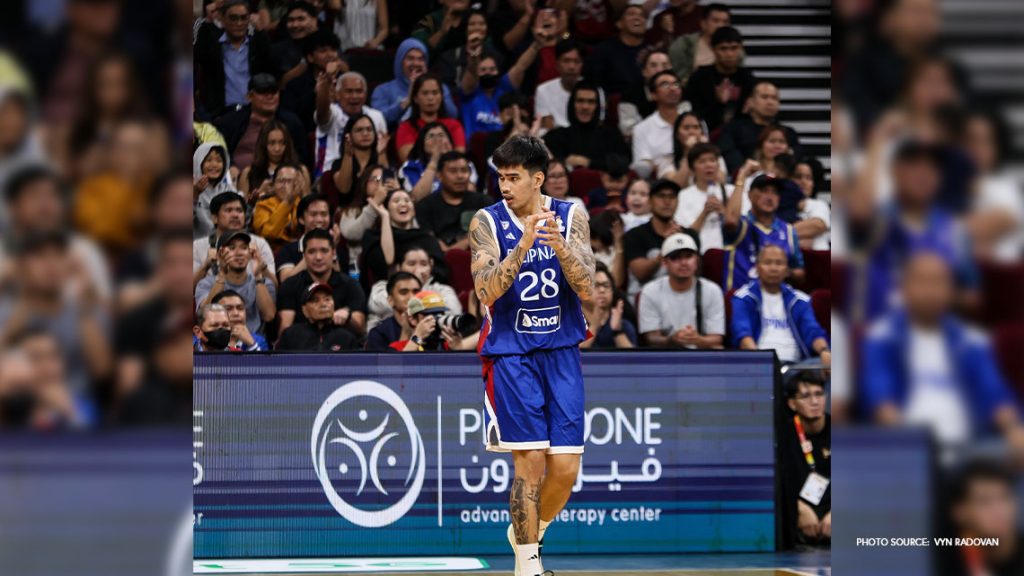
Good news: Gilas handily won the rebounding battle, 56-42. Bad news: They failed to maximize second-chance opportunities, getting a relatively tame 15 points despite a 22-13 edge on the offensive glass.
Good news: After Jordan went 10-for-18 from deep in the first half, they were limited to 2-for-15 on their outside attempts the rest of the way, thanks to the improvement in Gilas’ perimeter defense. Bad news: Gilas made a grand total of four 3s in this game, including just one after the halftime break!
Good news: Gilas distributed the ball well—20 assists to the Falcons’ 13—and made 48.3% of their two-point field goal attempts. Bad news: They shot an abhorrent 60.9% from the free throw line and coughed up the ball more times than Jordan in the second half and extra period combined.
(Also, this isn’t a basketball error like the ones I mentioned above, but the bad news of Carl Tamayo’s ankle injury dampens the good news of his great off-ball movement and high-quality looks. Get well soon, Carl the Closer!)
This is why we love sports, dear students of the game. We go from the high of Kevin Quiambao hitting a clutch 3 like he was back in a La Salle uniform—to the low of Scottie Thompson failing to throw an inbound pass with 9.7 seconds left in OT.

While we’re at it, can someone tell me how I should feel about Iskati? He singlehandedly reduced Harris’ effectiveness as a shooter with his masterful denial defense. And yet, he could have singlehandedly sunk Gilas’ ship on a rainy Friday night with that five-second violation.
If I had to pick a player who embodied Gilas’ cardiac performance against Jordan, Thompson would be my second choice. Number one in my mind is the 7-foot-3 father-to-be.
When it comes to the labor of watching Gilas in that first half, Sotto wasn’t a perfect pain reliever—he added to the agony as well. Thanks in part to several months of rust, the comebacking center had a sluggish start on both ends of the floor, committing defensive lapses and bungling some finishes at the rim.
But when Sotto let the game come to him, he was awe-inspiring. The 24-year-old giant looked like a man playing against boys as he tipped and shot the ball at altitudes that mere mortals can’t reach. Also, did you see his form as he put up those midrange shots? As Mark Jones would say, butter. (Or, better yet, margarine.)
In a game when Gilas’ flaws nearly cancelled out the good things they did, Sotto came up with the play that made the difference between winning and losing. All things considered—from shooting inefficiency and glaring lapses in decision-making to great ball distribution and rebounding dominance—I give Gilas a B+ for their performance against Jordan.
Iran: The Tables Have Turned
Just 48 hours after that thriller against the Falcons, Gilas had to suit up against Iran. This time, their win was more convincing.
Before we get to the good stuff, let’s get the eyesores out of the way. Sadly, the first seven minutes of this Iran matchup contain a highlight reel of why Kaiju’s NBA readiness is still a work in progress. Watch all the possessions when the Iranian ball handlers put Sotto in the pick-and-roll action, in anticipation of the drop coverage he’d shown in the Jordan game. One. Bucket. After. Another.
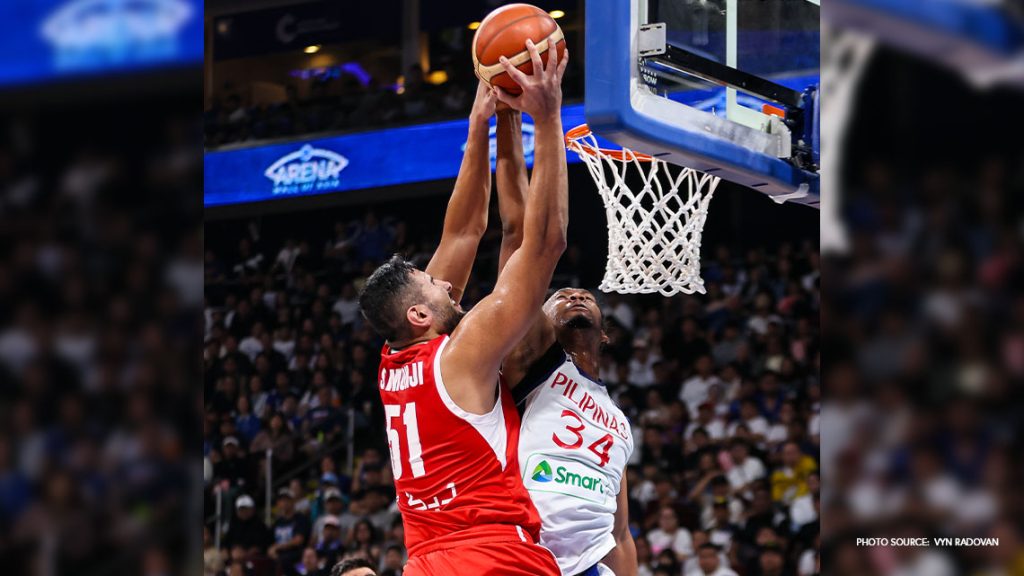
My only other major gripe with the team was the turnover story. From the closing moments of the third quarter to the early goings of the fourth quarter, Gilas committed six straight errors. On the sideline, you could see coach Tim Cone in various levels of groan: dribbling displays that were too fancy, bad passes, a travelling call, and an offensive foul called on June Mar Fajardo. That last one, I’d like to propose, was questionable.
But I don’t think I’d get much argument when I say that this was the best performance by Fajardo on the international stage. That huge smile on his face when he posted up his defender in the second quarter? It was a warning that the Kraken was about to show these Iranians who the nine-time PBA MVP is. While Fajardo had a tendency to rush his post moves in past Gilas games, he was far more patient on Sunday, backing down his opponents until he got in great position to easily lay the ball in.
(Also, I wrote this in my notes towards the end of the first half: “Fajardo is coming out to rotate and challenge shots, forced miss.” That’s a bullet point I never thought I’d type. If this is the swansong…salamat, Abai.)
In the same arena where Hamed Haddadi tormented our rim protectors in the 2013 FIBA Asia Championship finals, Gilas turned the tables and punished the Iranians in the shaded lane. Total rebounds, offensive boards, points in the paint, second-chance buckets—all went the way of the Philippines as Fajardo, Sotto, and Edu imposed their will.
On multiple occasions, Sotto and Edu implemented a no-fly zone in the paint, simultaneously stretching their arms and making smaller athletes question their life decisions. In a display of character growth, Kaiju tweaked his defensive coverage from the second quarter onwards by coming up higher to deter ball handlers coming off screens. In other words, Sotto wasn’t just doing Sotto things—he was doing an Edu impression as well. Great stuff.
It wasn’t just the big men who took control of this game. The combo guard duo of Juan Gomez de Liaño and Dwight Ramos looked like men on a mission after logging a -1 and a -2, respectively, in the plus/minus column against Jordan. On Sunday, they scored 16 points apiece on aggressive drives to the basket and confident-looking shots from the perimeter. Also, after logging 14 points in the Jordan game, Kevin Quiambao hit two 3s that could only be described as timely—pamatay sunog, as they say.
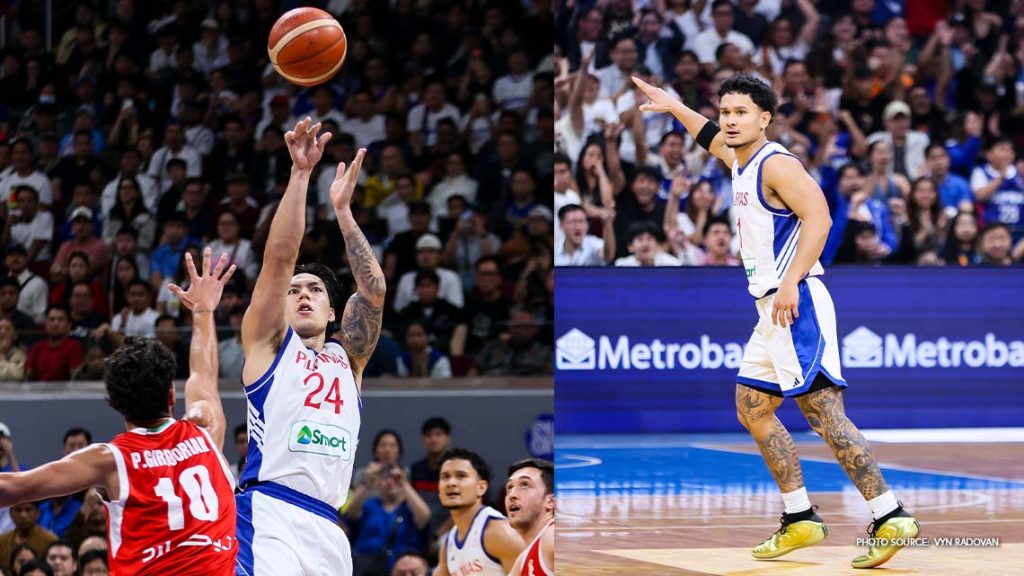
Here’s one more thing that makes this Iran performance better than the Jordan outing: endgame execution. While Gilas played catch-up for stretches of the final quarter in the Jordan game, they were very much in the driver’s seat in the last 10 minutes against Iran, holding their opponents to nine points while putting up 19 of their own. The inside play of Sotto and Edu, plus the excellent decision-making of Ramos and Quiambao, was too much for the visiting team to overcome.
In other words, Gilas’ strengths definitely outweighed their flaws on Sunday. They made adjustments, threw their weight around, and put the game away in the end. That’s an A- in my book.
What’s Next in the Asian Qualifiers?
Three months from now, the standings in Group E could end going topsy-turvy.
If Gilas takes care of business against Syria on Nov. 27 and Iran on Nov. 30—and lif New Zealand and Australia deny Iran and Jordan any upset wins—the Philippines would be sporting a 6-4 record to move up to the no. 3 spot at the expense of two 5-5 teams. We can then strengthen our grip on that spot with wins over Jordan and Syria next February.
Remember: The top three teams in Groups E and F will earn a spot in the 2027 World Cup. The best fourth-placed team will also book a ticket, but why put ourselves in that situation where our fate is not entirely in our hands?
Our latest wins over Jordan and Iran are a good formative step. But the test is not over. When our national squad competes in the Middle East over the next six months, there’s no question that they need to bring their A-game. And, for the love of Pinoy fans all across the planet, make sure that Kaiju is present.
What grade would you give Gilas in their games against Jordan and Iran? Hit us up on Facebook, Instagram, and X! Class dismissed.
For more exclusive basketball stories and updates, click here.